American Pipit
Anthus rubescens
The American Pipit is a small bird that loves to hop around on the ground. It has a sweet, cheerful song and can often be seen in open fields and meadows, especially during migration.
Hábitat: Grasslands
The American Pipit is a slender, streaky brown bird with a pale, buffy-white underside and a thin, dark bill. It has a distinctive upright posture and constantly bobs its long, dark tail, especially when walking on open ground.
Categoría
AvesRareza
Common
Peligro
1/5 · Muy bajo
Snaps
¡Sé la primera persona en hacer un snap!
Wow! American Pipits often perform a special 'sky dance' flight to attract a mate!
Wow! American Pipits walk rather than hop, constantly bobbing their tail as they move!
Wow! These tough birds nest right on the ground, often in a small hidden dip!
Wow! They get their name from their high-pitched, 'pipit-pipit' call they make while flying!
American Pipit has a constant tail-wagging habit that helps them blend into windy, open habitats by mimicking swaying vegetation.
American Pipit has streaky brown plumage that helps them disappear against bare ground and sparse plants, hiding from predators.
American Pipit can breed in high alpine tundras because of its strong flight and ability to withstand cold, sparse environments.
American Pipit can expertly forage on the ground, picking off small insects with its sharp bill that helps them find hidden meals.
American Pipits mostly eat tiny insects and spiders, but they also snack on seeds!
Diferencias por edad: Young pipits are fed mostly insects by their parents.
Falco sparverius
Small raptors like kestrels hunt pipits in open country.
Pardosa moesta
Pipits actively hunt wolf spiders found on the ground for food.
Poa pratensis
Pipits eat the seeds of bluegrass and other common grasses.
Thamnophis sirtalis
Garter snakes can prey on eggs and young pipits from ground nests.
Describe a los animales, principalmente aves, que poseen una cubierta de plumas.
Los animales sociales viven en grupos organizados, cooperando para obtener beneficios de supervivencia como la búsqueda de alimento, la defensa y la cría de descendencia.
Los animales cantores producen vocalizaciones complejas, a menudo con el propósito de atraer parejas, defender el territorio o comunicarse dentro de su especie.
Este rasgo identifica a los organismos cuya dieta consiste principalmente en insectos y otros pequeños invertebrados.

Los hábitats de pastizales son biomas terrestres dominados por pastos y plantas herbáceas, que sustentan a una variedad de animales de pastoreo.

Los animales diurnos están activos principalmente durante el día y suelen descansar o dormir por la noche.

Los animales migratorios emprenden movimientos estacionales de una región a otra, típicamente en respuesta a cambios en el clima o la disponibilidad de alimentos.
Todavía no hay alias listados.
Peligro
1/5 · Muy bajo
Enjoy watching birds from a distance and be quiet so you don't scare them away.
14-17 cm
23-28 cm
0.018-0.025 kg
3-7 años
45 km/h
American Pipits mostly eat tiny insects and spiders, but they also snack on seeds!
Grasslands
Foraging
Acércate para separar los grupos y explorar dónde se ha fotografiado este objeto.
Los snaps recientes aparecerán aquí a medida que se añadan nuevas observaciones.
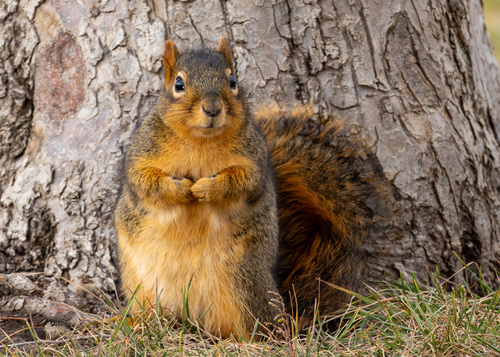
California, US
Puedes ver Eastern Fox Squirrel, Cuervo Común y Paloma Huilota.
Ver guía →
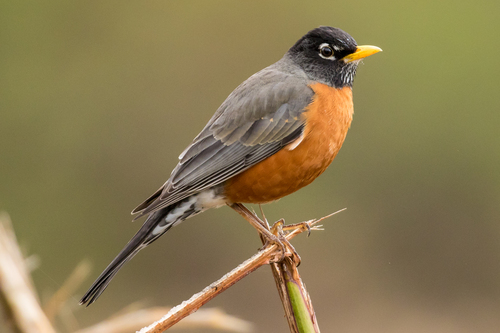
Illinois, US
Puedes ver Petirrojo Americano, Sinsonte Norteño y Yellow-Rumped Warbler.
Ver guía →
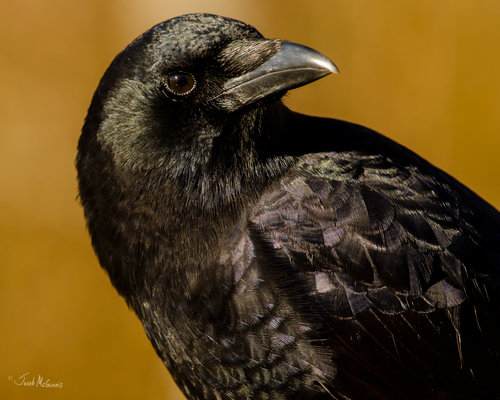
California, US
Puedes ver Cuervo Americano, Yellow-Rumped Warbler y Lincoln's Sparrow.
Ver guía →

New Hampshire, US
Puedes ver Diapensia, Eastern Mountain Avens y Bog Bilberry.
Ver guía →




.jpg&width=800)