
.jpg&width=800)





American Sand Wasp
Bembix americana
The American Sand Wasp is a small, friendly insect that loves to dig in the sand. It makes little holes in the ground where it lays its eggs. These wasps are busy and help keep nature balanced!
Hábitat: Sandy areas
The American Sand Wasp has a robust body, primarily black with bright yellow bands on its abdomen. It features a large head with prominent green eyes and strong mandibles. Its wings are clear and slightly smoky, setting it apart from more slender, solid-colored wasps.
Categoría
InsectosRareza
Common
Peligro
2/5 · Bajo
Snaps
¡Sé la primera persona en hacer un snap!
Mom wasps fill underground nurseries with paralyzed flies for their babies!
Some female wasps will steal food from other sand wasps' burrows!
Their rapid, erratic flight makes them incredibly difficult to catch in mid-air.
They often "dance" over their nest entrance, remembering its location perfectly.
American Sand Wasp has a venomous sting that helps them paralyze prey, ensuring fresh food for their young in the burrow.
American Sand Wasp can perform fast, agile flights because of its strong wing muscles, allowing it to quickly catch other flying insects.
Adults drink nectar, while larvae feast on flies paralyzed by their mother.
Diferencias por edad: Adults feed on flower nectar, while larvae are carnivorous, consuming flies provisioned by the mother.
Musca domestica
Paralyzes and provisions for its larvae.
Sarcophaga carnaria
Captures for its developing young in underground burrows.
Argiope aurantia
Can be caught in large orb webs while flying.
Solidago canadensis
Adults visit flowers for nectar, aiding pollen transfer.
Los animales solitarios viven solos durante la mayor parte de su vida y solo interactúan con otros para aparearse o cuidar de sus crías.
Este rasgo identifica a los organismos cuya dieta consiste principalmente en insectos y otros pequeños invertebrados.
Este rasgo identifica a los organismos cuya dieta consiste total o principalmente en tejido animal.
Los animales diurnos están activos principalmente durante el día y suelen descansar o dormir por la noche.

Relativo a especies que son significativamente más pequeñas que lo típico o promedio de su tipo.

Describe organismos que transfieren polen, permitiendo la fertilización y reproducción de las plantas.
Todavía no hay alias listados.
Peligro
2/5 · Bajo
Don't bother wasps if you see them digging; they are usually not harmful.
25-35 mm
15-20 mm
20-45 días
20 km/h
Adults drink nectar, while larvae feast on flies paralyzed by their mother.
Sandy areas
Pursuit
6
Acércate para separar los grupos y explorar dónde se ha fotografiado este objeto.
Los snaps recientes aparecerán aquí a medida que se añadan nuevas observaciones.

Washington, US
Puedes ver Barnacla Canadiense, Margarita y Pato.
Ver guía →
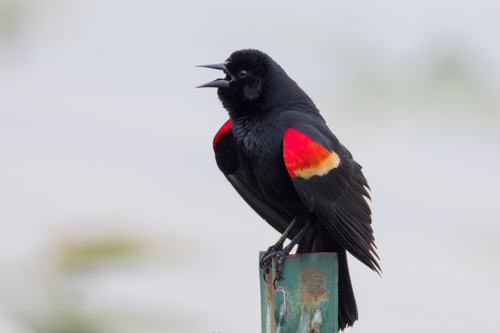
British Columbia, CA
Puedes ver Tordo Sargento, Golondrina Bicolor y Garza Azulada.
Ver guía →
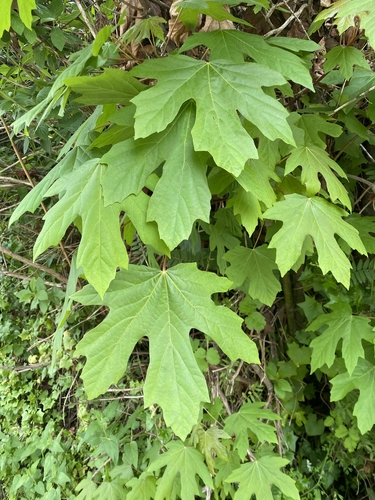
British Columbia, CA
Puedes ver Bigleaf Maple, Western Sword Fern y Vanilla Leaf.
Ver guía →
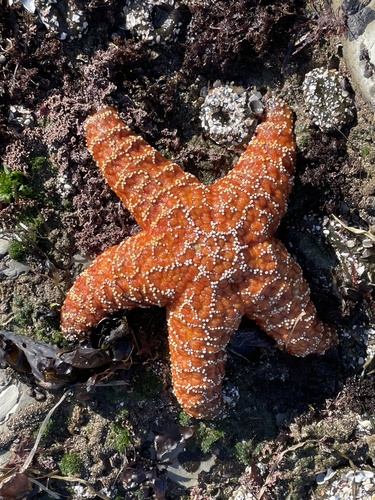
Washington, US
Puedes ver Ochre Sea Star, Purple Shore Crab y Strawberry Tree.
Ver guía →
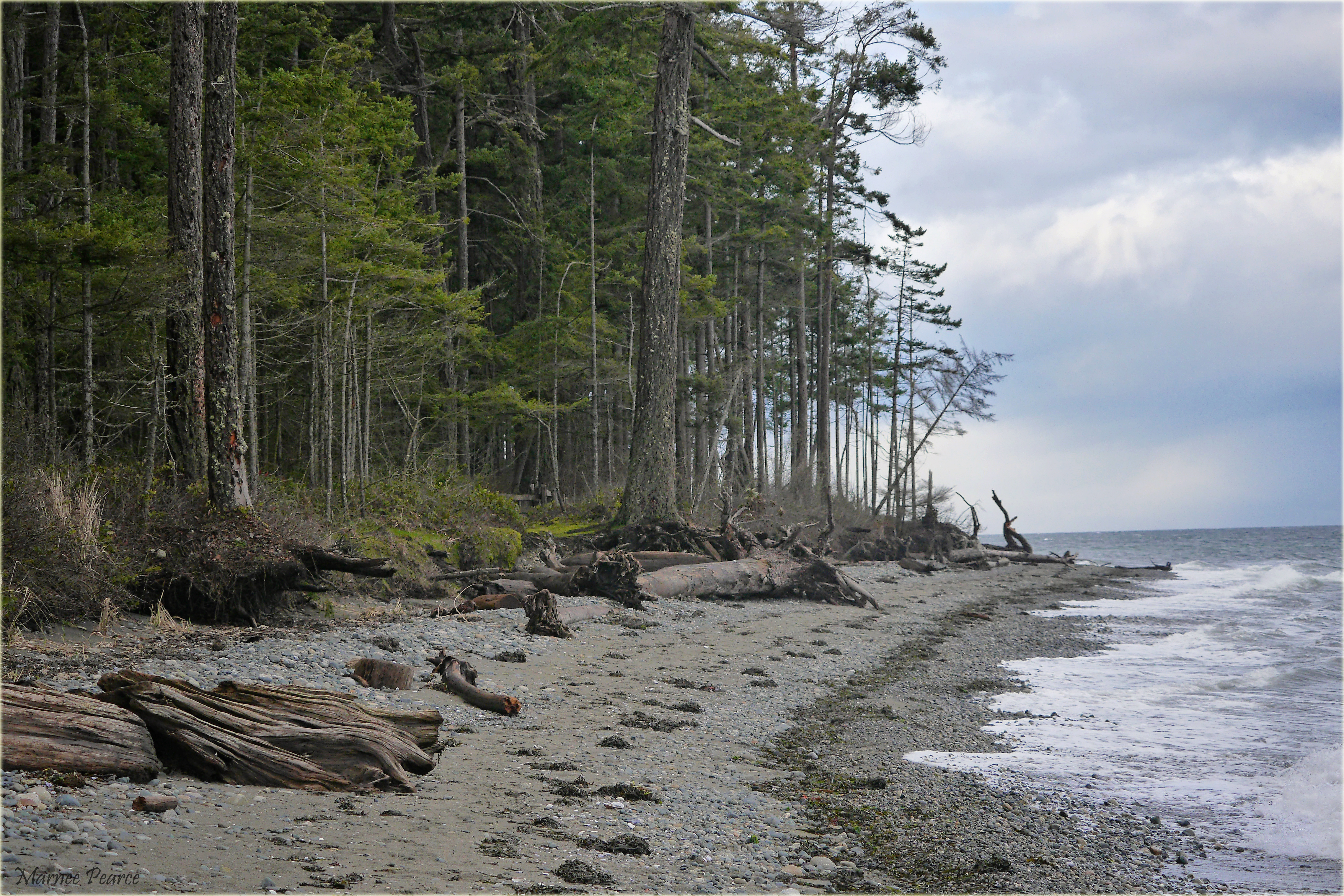
British Columbia, CA
Puedes ver Conejo Europeo, Yellow Shore Crab y Nootka Rose.
Ver guía →
British Columbia, CA
Puedes ver Western Toad, Himalayan Balsam y Western Sword Fern.
Ver guía →















