





Amphibolips
amphibolips
¡El Amphibolips es un pequeño insecto colorido al que le encanta saltar en los jardines! A menudo se encuentra descansando sobre las hojas, donde se mezcla con su entorno.
Hábitat: Los Amphibolips viven en jardines, praderas y bosques donde florecen las flores.
El Amphibolips es una pequeña avispa de cuerpo oscuro, típicamente negra o marrón, de solo unos pocos milímetros de largo. Tiene alas claras con venación reducida y un abdomen distintivo y comprimido. Sus colores sutiles y apagados lo hacen visualmente distinto por su pequeño tamaño y su conexión con las agallas únicas que crea en los robles.
Categoría
InsectosRareza
Common
Peligro
0/5 · Sin peligro conocido
Snaps
¡Sé la primera persona en hacer un snap!
¡Las agallas pueden ser de color rojo brillante, amarillo o incluso espinosas, haciendo que parezcan partes de plantas alienígenas!
¡Algunas especies de Amphibolips tienen dos formas adultas totalmente diferentes durante su ciclo de vida!
¡Los insectos dentro de las agallas están súper seguros; es como vivir en un pequeño castillo hecho a medida!
¡Guau, algunas agallas hechas por estas avispas son tan grandes que parecen manzanas en los robles!
El Amphibolips puede reprogramar las células de los robles al poner huevos, obligando a la planta a desarrollar estructuras protectoras únicas llamadas agallas.
El Amphibolips tiene el poder de hacer que los robles produzcan tejido vegetal especializado que rodea y alimenta a sus larvas en desarrollo dentro de una agalla.
El Amphibolips tiene la capacidad de inducir a las plantas a formar refugios especializados que protegen a sus crías en desarrollo de los depredadores.
El Amphibolips puede usar señales químicas para hacer que los robles produzcan un hogar y una fuente de alimento perfectos y personalizados para su descendencia.
Las larvas de Amphibolips comen el tejido vegetal blando dentro de sus hogares de agallas, mientras que los adultos rara vez se alimentan.
Diferencias por edad: Las larvas consumen tejido de agalla, mientras que los adultos típicamente no se alimentan o solo pueden sorber agua/néctar.
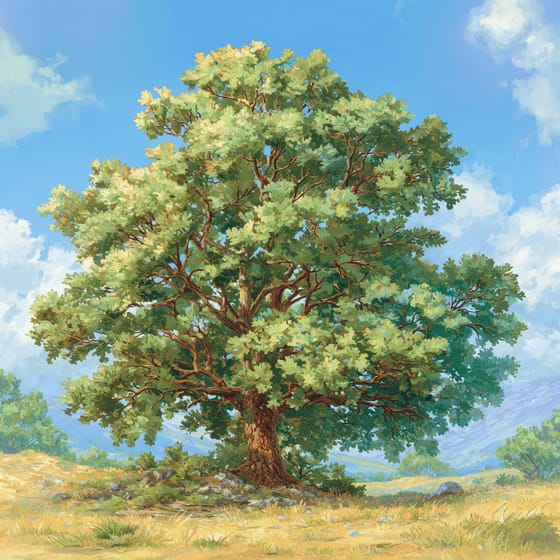
Quercus alba
Proporciona material huésped para la formación de agallas y el desarrollo larval.
Torymus splendidus
Pone huevos dentro de las agallas de Amphibolips, consumiendo la larva.
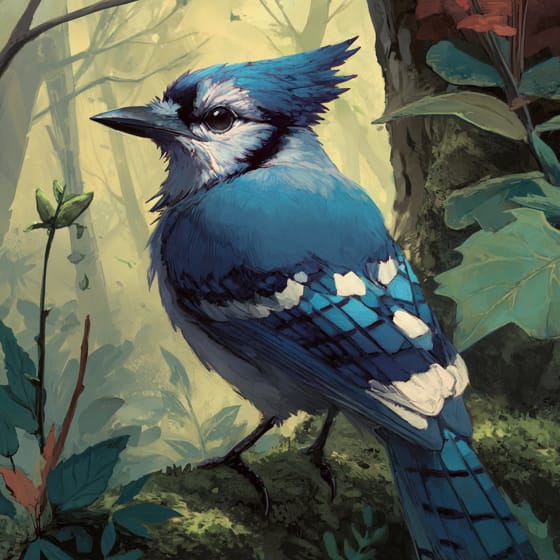
Cyanocitta cristata
Se sabe que los arrendajos azules se alimentan de insectos, a veces picoteando agallas abiertas.
Los animales sociales viven en grupos organizados, cooperando para obtener beneficios de supervivencia como la búsqueda de alimento, la defensa y la cría de descendencia.
Colorido describe a organismos u objetos que exhiben una amplia variedad de colores brillantes y distintivos.
Este rasgo caracteriza a los organismos cuya dieta consiste total o principalmente en material vegetal.
Los animales diurnos están activos principalmente durante el día y suelen descansar o dormir por la noche.

Describe organismos que transfieren polen, permitiendo la fertilización y reproducción de las plantas.
Peligro
0/5 · Sin peligro conocido
Lávate siempre las manos después de jugar al aire libre.
La forma más fácil de identificar a Amphibolips es usar la aplicación de identificación de naturaleza Snappit.
4-10 mm
2-5 mm
7-20 días
Las larvas de Amphibolips comen el tejido vegetal blando dentro de sus hogares de agallas, mientras que los adultos rara vez se alimentan.
Los Amphibolips viven en jardines, praderas y bosques donde florecen las flores.
6
Acércate para separar los grupos y explorar dónde se ha fotografiado este objeto.
Los snaps recientes aparecerán aquí a medida que se añadan nuevas observaciones.
Llévate el descubrimiento
Haz una foto con Snappit, identifica la especie y guarda el hallazgo en tu colección.







.jpg&width=800)



