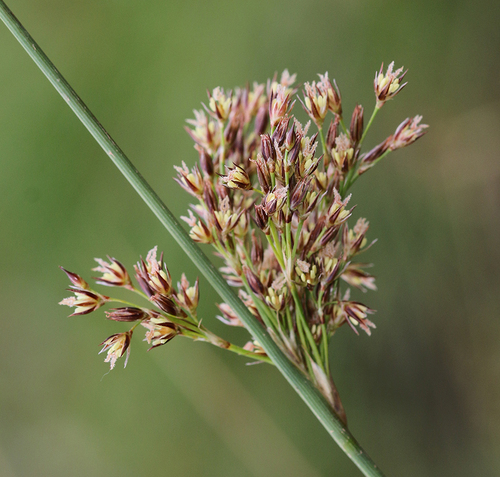
Amur Corktree
phellodendron amurense
The Amur Corktree is a beautiful tree that can grow tall and wide! Its bark is corky and is fun to touch, making it a favorite among kids exploring nature.
Hábitat: It thrives in forests and urban areas across Asia and parts of North America.
The Amur Corktree is a deciduous tree known for its deeply furrowed, spongy, cork-like bark. It has glossy, dark green compound leaves that turn bright yellow in autumn, and produces clusters of small, black, berry-like fruits.
Categoría
PlantasRareza
Common
Peligro
0/5 · Sin peligro conocido
Snaps
¡Sé la primera persona en hacer un snap!
Its bark feels like a giant sponge, truly unique among trees!
Native to Asia, it's often planted in parks worldwide for beauty.
Some parts were used to make yellow dye in ancient times.
The fruits smell like turpentine when crushed, a surprising aroma!
Amur Corktree has thick, spongy bark that helps protect it from wildfires and extreme temperatures.
Its leaves contain special oils and compounds that naturally deter many hungry insects from eating them.
Amur Corktree can grow in challenging soils, allowing it to thrive where other trees struggle.
Apis mellifera
Gathers nectar from its greenish-yellow flowers.
Bombycilla cedrorum
Feeds on its small, black, bitter berries.

Peromyscus leucopus
Utilizes its hollows and dense foliage for shelter.
Los animales arborícolas viven principalmente en los árboles, utilizándolos como refugio, alimento y protección contra los depredadores.
Colorido describe a organismos u objetos que exhiben una amplia variedad de colores brillantes y distintivos.
Este rasgo caracteriza a los organismos cuya dieta consiste total o principalmente en material vegetal.
Los hábitats boscosos son entornos terrestres dominados por una densa cubierta arbórea, que sustentan una gran diversidad de vida animal y vegetal.

Los animales diurnos están activos principalmente durante el día y suelen descansar o dormir por la noche.
Peligro
0/5 · Sin peligro conocido
Todavía no hay notas especiales de seguridad.
1000-1500 cm
1000-1500 cm
0.5-1 cm
Late spring to early summer
No
Leve
Perenne
Insectos
Acércate para separar los grupos y explorar dónde se ha fotografiado este objeto.
Los snaps recientes aparecerán aquí a medida que se añadan nuevas observaciones.