Amur honeysuckle
Lonicera maackii
The Amur honeysuckle is a sweet-smelling shrub that grows tall and has beautiful flowers. It attracts butterflies and hummingbirds, making gardens lively and colorful!
Hábitat: Urban areas
The Amur honeysuckle is a large, multi-stemmed shrub with arching branches. It has oval-shaped, opposite leaves, small white or yellowish tubular flowers, and abundant bright red berries that persist into winter. Its distinctive dense form often dominates the landscape.
Categoría
PlantasRareza
Common
Peligro
1/5 · Muy bajo
Snaps
¡Sé la primera persona en hacer un snap!
If you cut an Amur honeysuckle stem, you might see a cool star shape inside where the pith once was!
Its bright red berries can last on the branches throughout winter, feeding birds when other food is scarce.
Older Amur honeysuckle stems are hollow inside, making them perfect tiny homes for small insects!
This plant was intentionally brought to America as a pretty garden shrub, but it secretly took over!
Amur honeysuckle can grow leaves extra early in spring and keep them late into fall, letting it soak up more sun.
It produces tons of bright red berries that birds love, helping the plant spread its seeds far and wide to new places.
Amur honeysuckle releases special chemicals into the ground that make it harder for other plants to grow nearby.
Apis mellifera
Its flowers provide nectar for bees.
Turdus migratorius
Its berries are a food source for robins.

Peromyscus leucopus
Its dense thickets offer cover for small mammals.
Las plantas aromáticas producen y emiten compuestos orgánicos volátiles fragantes, a menudo como defensa o para atraer a los polinizadores.
Las plantas caducifolias pierden periódicamente todas sus hojas, por lo general durante el otoño o las estaciones secas.
Las plantas con flores son cualquier planta que produce flores como parte de su ciclo reproductivo.
Un arbusto es una planta leñosa más pequeña que un árbol, típicamente con múltiples tallos que se ramifican desde o cerca del suelo.

Las flores fragantes emiten un aroma agradable, a menudo para atraer polinizadores o como defensa.

Las plantas frutales producen frutos, que son los ovarios maduros de las plantas con flores que contienen semillas.

Las plantas de crecimiento rápido exhiben tasas de crecimiento aceleradas, aumentando rápidamente de tamaño y biomasa en un corto período de tiempo.

Describe plantas que son particularmente atractivas y beneficiosas para una amplia variedad de organismos polinizadores.

Esta característica de hábitat indica especies que pueden coexistir con los humanos en entornos urbanos y suburbanos, utilizando estructuras artificiales y espacios verdes.

Las especies invasoras son organismos no nativos que causan daños al medio ambiente, la economía o la salud humana.
Todavía no hay alias listados.
Peligro
1/5 · Muy bajo
Do not eat the berries without asking an adult first, as some plants can be harmful.
300-500 cm
200-400 cm
1-2 cm
Late spring to early summer
No
Leve
Perenne
Insectos
Acércate para separar los grupos y explorar dónde se ha fotografiado este objeto.
Los snaps recientes aparecerán aquí a medida que se añadan nuevas observaciones.
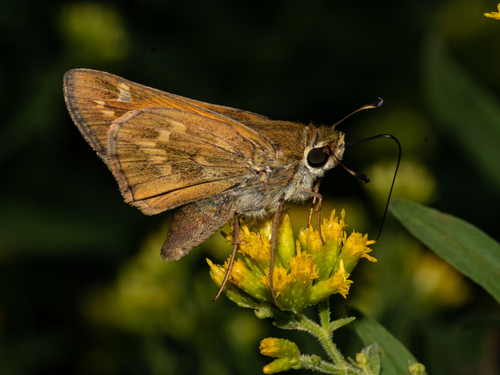
New Jersey, US
Puedes ver Huron Skipper, Garza Azulada y Petirrojo Americano.
Ver guía →
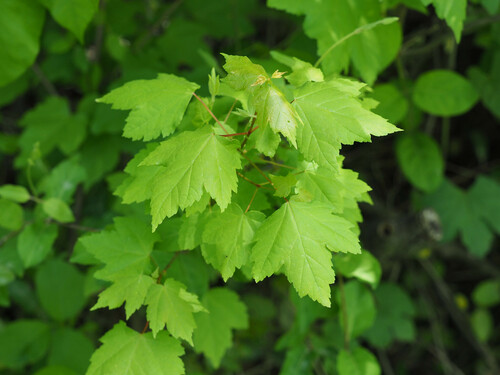
Virginia, US
Puedes ver Arce Rojo, Spotted Lanternfly y Cardenal Norteño.
Ver guía →

Virginia, US
Puedes ver Ciervo De Cola Blanca, Gorrión Común y Ardilla Gris Oriental.
Ver guía →

Ohio, US
Puedes ver Petirrojo Americano, Ciervo De Cola Blanca y Halcón Peregrino.
Ver guía →
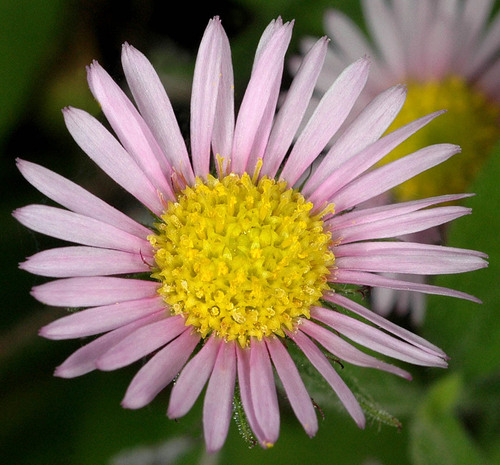
Pennsylvania, US
Puedes ver Fleabanes and Horseweeds, Honey Locust y Mariposa Almirante.
Ver guía →
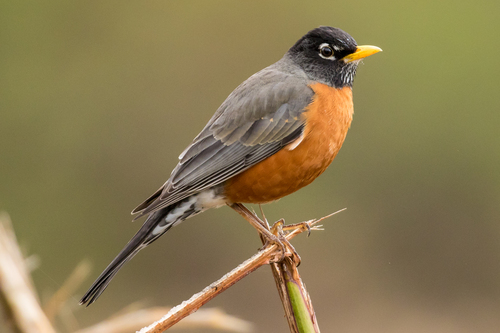
Virginia, US
Puedes ver Petirrojo Americano, Cardenal Norteño y Gorrión Común.
Ver guía →