





Anhinga
Anhinga anhinga
La anhinga es un ave única a la que le encanta nadar y bucear bajo el agua. Tiene un cuello largo y a menudo se la puede ver secando sus alas al sol después de nadar.
Hábitat: Humedales
La anhinga es un ave acuática esbelta con un largo cuello en forma de S y un pico parecido a una daga. Los machos son de color negro iridiscente con rayas blanco plateadas en las alas, mientras que las hembras tienen la cabeza y el cuello de color marrón. Su larga cola en forma de abanico la distingue visualmente de aves similares.
Categoría
AvesRareza
Common
Peligro
1/5 · Muy bajo
Snaps
54
¡Después de bucear, extienden sus alas al sol para secarse como si fueran una capa oscura!
Las anhingas construyen sus nidos en árboles sobre el agua, protegiendo a sus crías de los depredadores.
¡Las anhingas tienen una articulación única en su cuello que les permite arponear peces rápidamente!
A menudo cazan con los ojos abiertos bajo el agua, detectando presas en aguas turbias.
Las anhingas pueden hundirse y nadar fácilmente bajo el agua porque sus plumas se empapan, lo que les permite cazar peces de forma eficaz.
Las anhingas pueden apuñalar peces rápidamente con su pico afilado y puntiagudo, atrapando presas resbaladizas con un movimiento veloz.
Las anhingas tienen una forma especial de secar sus alas extendiéndolas al sol, lo que les ayuda a volar de nuevo tras sus inmersiones.
Las anhingas son hábiles cazadoras submarinas que arponean y comen peces y otros pequeños animales acuáticos.
Alligator mississippiensis
Depreda huevos y crías en los nidos.
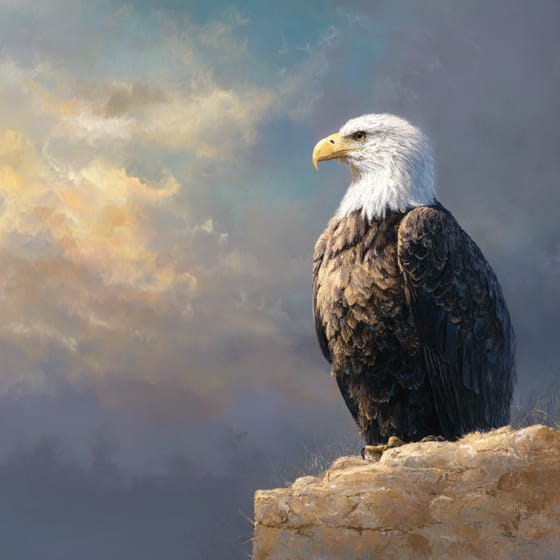
Haliaeetus leucocephalus
Puede arrebatar huevos o polluelos de los nidos.
Oreochromis niloticus
Un pez común cazado por las anhingas.
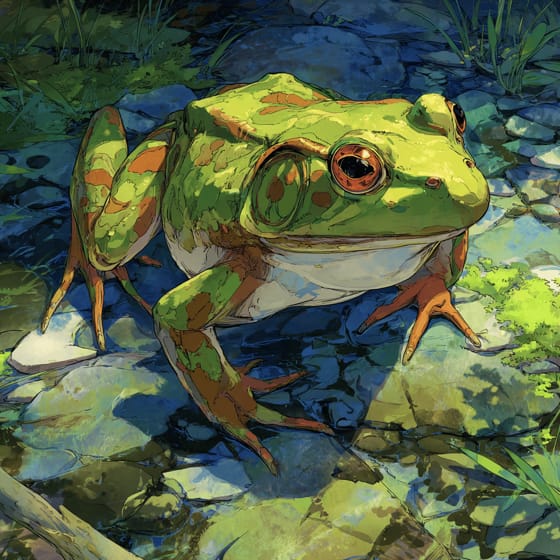
Lithobates catesbeianus
Las ranas también forman parte habitual de su dieta.
Describe a los animales, principalmente aves, que poseen una cubierta de plumas.
Se caracteriza por tener los dedos conectados por una membrana, lo que generalmente ayuda a nadar.
Los animales solitarios viven solos durante la mayor parte de su vida y solo interactúan con otros para aparearse o cuidar de sus crías.
Los organismos piscívoros son animales que subsisten principalmente de una dieta a base de peces.

Este rasgo de hábitat identifica especies que se encuentran en humedales, que son áreas de tierra saturadas de agua, ya sea permanente o estacionalmente, e incluyen marismas, pantanos y ciénagas.

Este rasgo identifica a los organismos cuya dieta consiste total o principalmente en tejido animal.

Los animales diurnos están activos principalmente durante el día y suelen descansar o dormir por la noche.

Los animales migratorios emprenden movimientos estacionales de una región a otra, típicamente en respuesta a cambios en el clima o la disponibilidad de alimentos.
Peligro
1/5 · Muy bajo
Observa siempre a las aves desde lejos y no intentes tocarlas ni darles de comer.
La forma más fácil de identificar a Anhinga es usar la aplicación de identificación de naturaleza Snappit.
80-100 cm
110-120 cm
1-1.5 kg
9-16 años
40 km/h
Las anhingas son hábiles cazadoras submarinas que arponean y comen peces y otros pequeños animales acuáticos.
Humedales
Acércate para separar los grupos y explorar dónde se ha fotografiado este objeto.

South Carolina, US
Puedes ver Caimán Americano, Anolis Verde y Garza Azulada.
Ver guía →

Louisiana, US
Puedes ver Anolis Castaño, Ibis Blanco y Pato.
Ver guía →

Georgia, US
Puedes ver Anolis Castaño, Anolis Verde y Mariposa Fritilar Del Golfo.
Ver guía →

South Carolina, US
Puedes ver Garza Azulada, Musgo Español y Lirio De Cahaba.
Ver guía →

South Carolina, US
Puedes ver Anolis Verde, Mariquita Asiática y Mariposa Fritilar Del Golfo.
Ver guía →

Florida, US
Puedes ver Caimán Americano, Anolis Castaño y Gavilán De Hombros Rojos.
Ver guía →
Llévate el descubrimiento
Haz una foto con Snappit, identifica la especie y guarda el hallazgo en tu colección.




.jpg&width=800)







