Antelope Bitterbrush
Purshia tridentata
Antelope Bitterbrush is a bush that grows in dry places. It has bright yellow flowers and is very important for animals like deer and rabbits who eat its leaves.
Hábitat: Desert
The Antelope Bitterbrush is a sturdy, multi-branched shrub with distinctive wedge-shaped, often three-lobed leaves. Its bright yellow, five-petaled flowers bloom in clusters, creating a vibrant contrast against its greyish-green foliage in spring.
Categoría
PlantasRareza
Common
Peligro
1/5 · Muy bajo
Snaps
¡Sé la primera persona en hacer un snap!
If you taste a bitterbrush leaf, you'll know why it got its name – it's quite bitter!
Its seeds are often collected and hidden by animals, which helps new bitterbrush plants grow!
Native Americans used the very strong wood of bitterbrush to make tools and for building fires!
The tough, slightly fuzzy leaves of this plant help it stay hydrated under the hot desert sun!
Antelope Bitterbrush has an incredibly deep taproot that helps it find water far underground to survive dry spells.
Antelope Bitterbrush can sprout new growth from its base even after a fire, helping it quickly recover.
Antelope Bitterbrush has extensive roots that firmly hold soil in place, preventing erosion on slopes.
Odocoileus hemionus
A primary food source, especially in winter.
Peromyscus maniculatus
Eats seeds and helps disperse them to new areas.
Bombus occidentalis
Visits its yellow flowers to collect nectar and pollen.

Artemisia tridentata
Often grows alongside, creating a diverse plant community.
Las plantas caducifolias pierden periódicamente todas sus hojas, por lo general durante el otoño o las estaciones secas.
Las plantas con flores son cualquier planta que produce flores como parte de su ciclo reproductivo.
Un arbusto es una planta leñosa más pequeña que un árbol, típicamente con múltiples tallos que se ramifican desde o cerca del suelo.
Las flores fragantes emiten un aroma agradable, a menudo para atraer polinizadores o como defensa.

Las plantas tolerantes a la sequía pueden sobrevivir y florecer en condiciones de escasa disponibilidad de agua.

Las plantas comestibles son aquellas partes de una planta que se consideran seguras para el consumo humano.

Describe plantas que son particularmente atractivas y beneficiosas para una amplia variedad de organismos polinizadores.

Los hábitats desérticos son regiones áridas caracterizadas por precipitaciones extremadamente bajas y, a menudo, temperaturas extremas, que albergan una flora y fauna especializadas.

Este rasgo caracteriza a los organismos con una esperanza de vida excepcionalmente larga en comparación con otros de su especie.

Describe una especie cuya presencia y papel tienen un efecto desproporcionadamente grande en su entorno.
Todavía no hay alias listados.
Peligro
1/5 · Muy bajo
Don't eat any plants unless an adult says it's safe!
50-200 cm
50-150 cm
1-2 cm
Spring to early summer
No
Ninguna
Perenne
Insectos
Acércate para separar los grupos y explorar dónde se ha fotografiado este objeto.
Los snaps recientes aparecerán aquí a medida que se añadan nuevas observaciones.
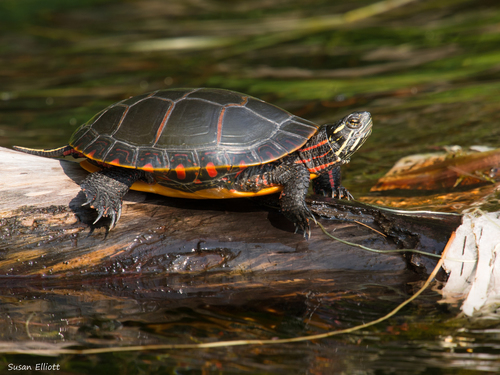
British Columbia, CA
Puedes ver Tortuga Pintada, Antelope Bitterbrush y Western Tiger Beetle.
Ver guía →
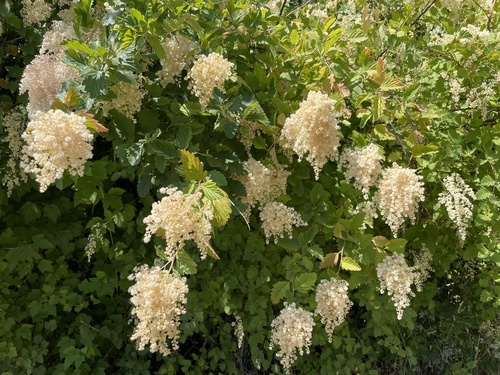
British Columbia, CA
Puedes ver Ocean Spray, Rocky Mountain Woodsia y Prairie Smoke.
Ver guía →
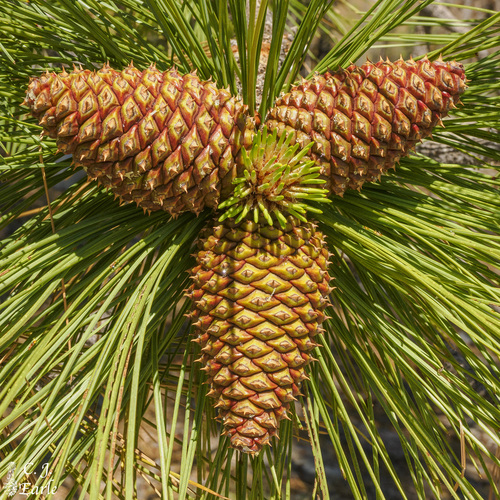
California, US
Puedes ver Jeffrey Pine y Pandora Pinemoth.
Ver guía →