






Anthopleura elegantissima
Anthopleura elegantissima
The sea anemone is a colorful sea creature that looks like a flower. It has long, wiggly tentacles that help it catch food and protect itself from predators.
Hábitat: Coastal areas
The Anthopleura elegantissima is a colorful sea anemone, typically green, pink, purple, or white. Its cylindrical body is often covered in sticky, wart-like bumps, and it can retract its numerous tentacles completely when disturbed, making it appear like a smooth, rounded blob.
Categoría
InvertebrateRareza
Common
Peligro
2/5 · Bajo
Snaps
¡Sé la primera persona en hacer un snap!
Even though they look like flowers, they are hungry animals with mouths!
If threatened, they can retract their colorful tentacles completely inside their bodies!
These anemones often grow so close they touch, creating a living carpet!
They fight rival anemones with special 'sweeper' tentacles that sting!
Anthopleura elegantissima has tiny algae living in its tissues that create food using sunlight, providing extra energy.
Anthopleura elegantissima has stinging cells (nematocysts) in its tentacles to catch tiny prey and defend itself.
Anthopleura elegantissima has a strong, sticky base (pedal disc) that anchors it firmly to rocks, even in strong waves.
This anemone waits for small creatures to drift into its stinging tentacles for a meal.
Breviolum minutum
Algae live inside and provide energy via photosynthesis.
Aeolidia papillosa
This sea slug is a specialized predator of sea anemones.
Pisaster ochraceus
The Ochre Sea Star sometimes preys on these anemones.
Los animales solitarios viven solos durante la mayor parte de su vida y solo interactúan con otros para aparearse o cuidar de sus crías.
Colorido describe a organismos u objetos que exhiben una amplia variedad de colores brillantes y distintivos.
Los filtradores obtienen nutrientes filtrando partículas de alimentos suspendidos y pequeños organismos del agua.
Describe una relación entre dos especies diferentes en la que viven estrechamente asociadas, a menudo beneficiando a una o a ambas.

Los hábitats costeros son entornos dinámicos situados a lo largo de la interfaz entre la tierra y el mar, influenciados por las mareas, las olas y el agua salada.

Este rasgo identifica a los organismos cuya dieta consiste total o principalmente en tejido animal.

Describe una especie cuya presencia y papel tienen un efecto desproporcionadamente grande en su entorno.

Los organismos regenerativos poseen la capacidad de volver a desarrollar partes del cuerpo, tejidos u órganos perdidos o dañados.

Los hábitats acuáticos abarcan entornos donde los organismos viven principalmente en el agua, incluidos océanos, ríos, lagos y humedales.

Los hábitats marinos abarcan todos los entornos de agua salada de los océanos de la Tierra, sustentando una inmensa diversidad de vida acuática.

Los organismos venenosos producen toxinas que se inyectan en otro animal, generalmente a través de una mordedura o picadura.

El estado de peligro de extinción indica que una especie corre un riesgo muy alto de extinguirse en estado silvestre en un futuro próximo.
Todavía no hay alias listados.
Peligro
2/5 · Bajo
Always look but don't touch sea anemones, as their stinging tentacles can hurt.
3-10 cm
0.01-0.1 kg
30-80 años
0 km/h
This anemone waits for small creatures to drift into its stinging tentacles for a meal.
Coastal areas
Ambush
Acércate para separar los grupos y explorar dónde se ha fotografiado este objeto.
Los snaps recientes aparecerán aquí a medida que se añadan nuevas observaciones.

New York, US
Puedes ver Zorro Rojo, Lobo Gris y Equus Africanus Asinus.
Ver guía →

Washington, US
Puedes ver Zorro Rojo, Ghost Pipe y Zarzamora.
Ver guía →

California, US
Puedes ver Ochre Sea Star, Giant Green Anemone y Sunburst Anemone.
Ver guía →
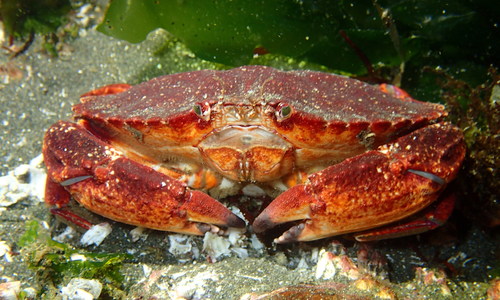
British Columbia, CA
Puedes ver Red Rock Crab, Dungeness Crab y Salal.
Ver guía →

British Columbia, CA
Puedes ver Ochre Sea Star, Babosa Banana y Aggregating Anemone.
Ver guía →
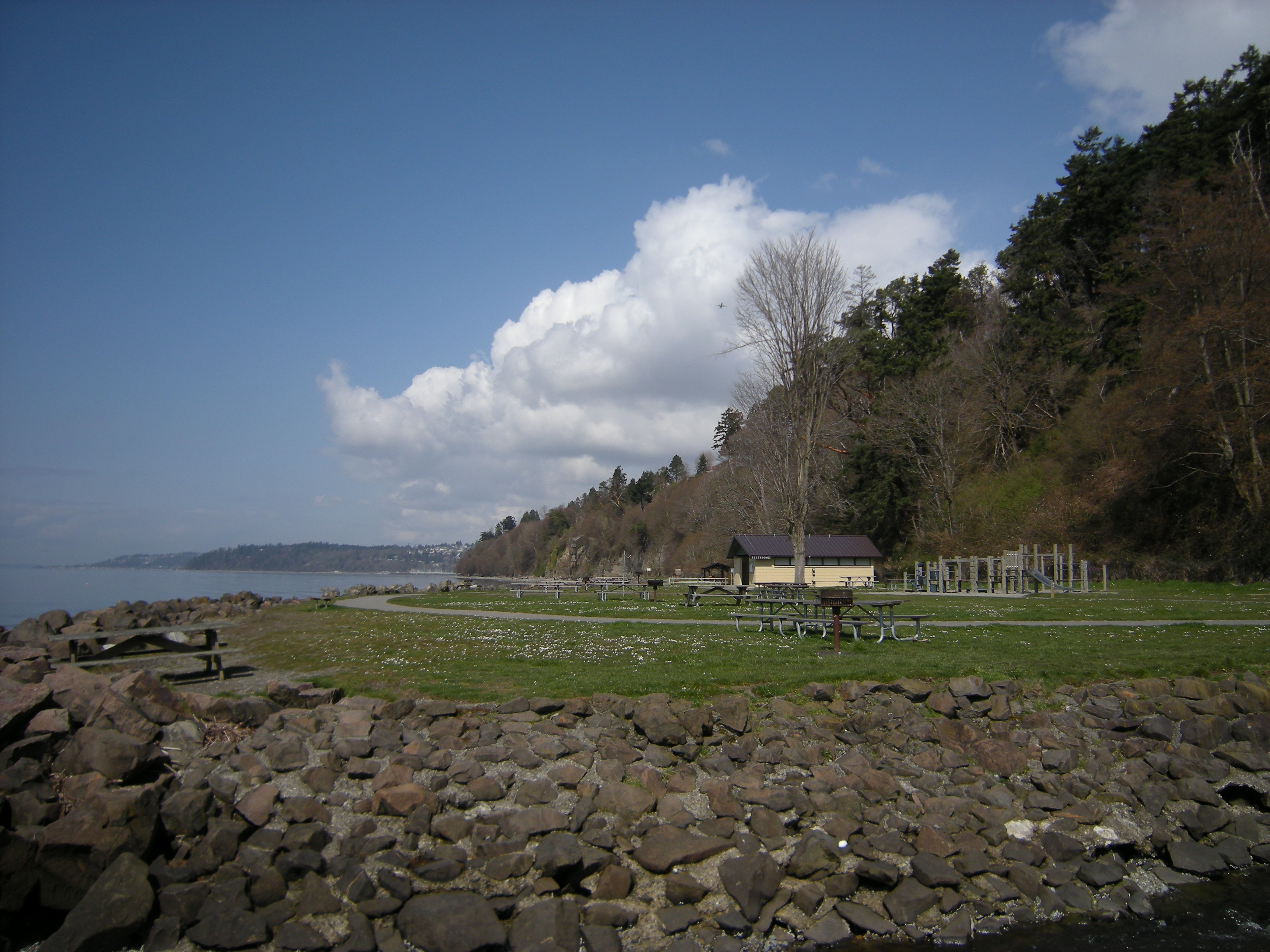
Washington, US
Puedes ver Bigleaf Maple, Western Redcedar y Aggregating Anemone.
Ver guía →

















