

Aphanizomenon Flosaquae
aphanizomenon flosaquae
Aphanizomenon flosaquae, comúnmente conocida como AFA, es una especie de alga verdeazul (cianobacteria) que habita en lagos de agua dulce a nivel mundial. Reconocida por su capacidad de formar floraciones densas, similares a hierba, este antiguo organismo juega un papel fundamental en los ecosistemas acuáticos al convertir la energía solar y el nitrógeno atmosférico en compuestos orgánicos utilizables. Es famosa por ser cosechada del lago Upper Klamath en Oregón como un suplemento dietético rico en nutrientes, valorado por su perfil de proteínas, vitaminas y minerales. A pesar de sus beneficios nutricionales, las floraciones silvestres deben ser cuidadosamente monitoreadas, ya que algunas cepas pueden producir cianotoxinas que afectan la calidad del agua y la vida silvestre local.
Hábitat: Se encuentra típicamente flotando en lagos de agua dulce eutróficos a mesotróficos, embalses y ríos de movimiento lento en todo el mundo.
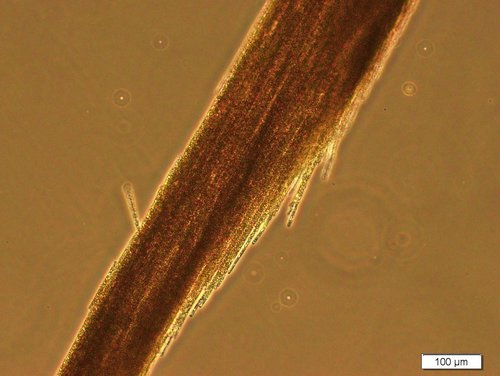
Aphanizomenon flosaquae se identifica mejor en la naturaleza por sus colonias distintivas, que se asemejan a pequeños recortes de césped de color verde brillante a azul-verde o agujas de pino flotando en el agua. Estas balsas coloniales, o tricomas, típicamente se agrupan en paralelo, alcanzando longitudes de hasta 1 a 2 milímetros. Bajo un microscopio, las células individuales son cilíndricas y están dispuestas en filamentos largos, parecidos a cuentas, que contienen células especializadas más grandes llamadas heterocistos y esporas de resistencia conocidas como acinetos.
Categoría
AnimalRareza
Común
Peligro
1/5 · Muy bajo
Snaps
¡Sé la primera persona en hacer un snap!
Aphanizomenon flosaquae es una de las pocas especies capaces de fijar tanto carbono como nitrógeno, lo que la convierte en una especie pionera crítica en ambientes acuáticos.
Los registros fósiles de cianobacterias relacionadas se remontan a más de 3.5 mil millones de años, lo que las convierte en uno de los linajes vivos más antiguos de la Tierra.
Su nombre científico se traduce literalmente como 'flor invisible del agua', haciendo referencia a su naturaleza individual microscópica y a sus hermosas colonias macroscópicas.
Bajo condiciones favorables, las floraciones masivas de AFA pueden cubrir lagos enteros, transformando el agua en lo que parece una espesa sopa de guisantes verde.
Aphanizomenon flosaquae es un organismo fotoautótrofo que sintetiza su propio alimento utilizando luz solar, dióxido de carbono y agua a través de la fotosíntesis.
Aún no hay insignias de rasgos asignadas a este objeto.
Todavía no hay alias listados.
Las colecciones para este objeto aparecerán aquí a medida que se añadan más temas.
Peligro
1/5 · Muy bajo
Todavía no hay notas especiales de seguridad.
La forma más fácil de identificar a Aphanizomenon Flosaquae es usar la aplicación de identificación de naturaleza Snappit.
hasta 0 cm
Aphanizomenon flosaquae es un organismo fotoautótrofo que sintetiza su propio alimento utilizando luz solar, dióxido de carbono y agua a través de la fotosíntesis.
Se encuentra típicamente flotando en lagos de agua dulce eutróficos a mesotróficos, embalses y ríos de movimiento lento en todo el mundo.
Acércate para separar los grupos y explorar dónde se ha fotografiado este objeto.
Los snaps recientes aparecerán aquí a medida que se añadan nuevas observaciones.
Llévate el descubrimiento
Haz una foto con Snappit, identifica la especie y guarda el hallazgo en tu colección.