
Arctic Butterbur
Petasites frigidus
Arctic Butterbur is a special plant that grows in cold places. It has big, round leaves and pretty flowers that can be purple or white. This plant loves to be near water and can be found in wet areas.
Hábitat: Wetlands
The Arctic Butterbur has distinct, large kidney-shaped leaves that emerge after its early spring blooms. Its compact flower heads display numerous small, white to purplish-pink florets, carried on a sturdy, often fuzzy stem, making it stand out in cold, damp environments.
Categoría
PlantasRareza
Common
Peligro
1/5 · Muy bajo
Snaps
¡Sé la primera persona en hacer un snap!
Arctic Butterbur is often one of the first plants to bloom after winter!
It spreads using underground stems, creating vast green carpets on the tundra!
Its huge leaves were traditionally used to wrap and keep butter cool!
This plant can grow in places so wet and cold, few others survive!
Arctic Butterbur can emerge and bloom even when snow covers the ground, allowing it to capture early spring sunlight.
Arctic Butterbur has large leaves that quickly cover the ground, helping to retain soil moisture and regulate temperature.
Arctic Butterbur blooms very early in spring, providing vital first food for emerging pollinators when other plants are dormant.
Rangifer tarandus
Early leaves provide food for migrating herds.
Bombus polaris
Provides crucial nectar and pollen when scarce.
Alces alces
Young shoots and leaves are a food source.
Las plantas con flores son cualquier planta que produce flores como parte de su ciclo reproductivo.
Las plantas de floración primaveral producen sus flores durante la temporada de primavera, lo que a menudo significa el final del invierno y el comienzo de un nuevo crecimiento.
Las plantas medicinales poseen compuestos químicos que pueden utilizarse con fines terapéuticos para tratar enfermedades o mantener la salud.
Las plantas resistentes al frío son capaces de soportar bajas temperaturas y condiciones de congelación sin sufrir daños significativos.

Los árboles de hoja ancha son angiospermas caracterizadas por hojas planas y anchas que típicamente se caen anualmente en climas templados.

Las plantas comestibles son aquellas partes de una planta que se consideran seguras para el consumo humano.

Describe plantas que son particularmente atractivas y beneficiosas para una amplia variedad de organismos polinizadores.

Este rasgo de hábitat identifica especies que se encuentran en humedales, que son áreas de tierra saturadas de agua, ya sea permanente o estacionalmente, e incluyen marismas, pantanos y ciénagas.
Todavía no hay alias listados.
Peligro
1/5 · Muy bajo
Do not touch or eat any wild plants without asking an adult first.
5-30 cm
10-50 cm
1-3 cm
Early Spring (March-May)
Sí
Ninguna
Perenne
Insectos
Acércate para separar los grupos y explorar dónde se ha fotografiado este objeto.
Los snaps recientes aparecerán aquí a medida que se añadan nuevas observaciones.
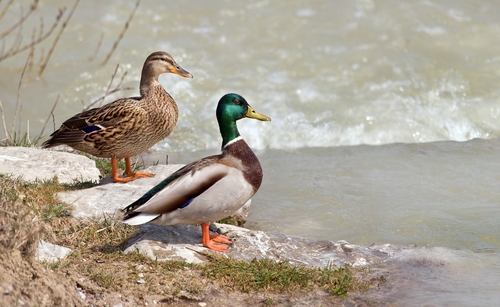
Washington, US
Puedes ver Pato, American Tuliptree y Garza Azulada.
Ver guía →

British Columbia, CA
Puedes ver Babosa Banana, Arctic Butterbur y Coastal Brookfoam.
Ver guía →
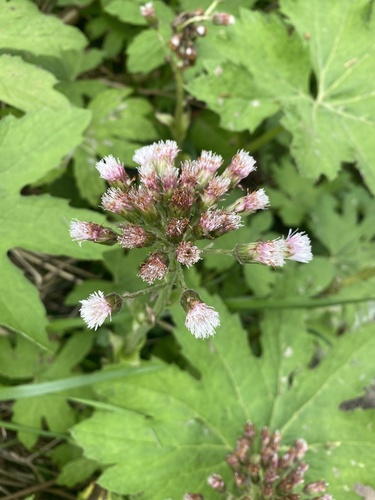
Washington, US
Puedes ver Arctic Butterbur, Red Valerian y American Brooklime.
Ver guía →