

Armeria Cantabrica
armeria cantabrica
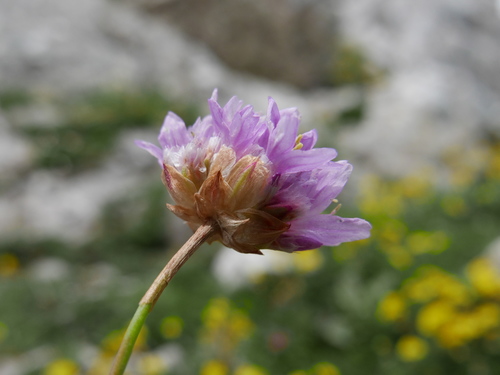
Armeria cantabrica, commonly known as the Cantabrian thrift, is a charming alpine perennial endemic to the high-altitude limestone regions of the Cantabrian Mountains in northern Spain. Growing in neat, grass-like cushions, this resilient plant braves harsh mountain winds and poor rocky soils. From late spring through summer, it erupts with striking, ball-like clusters of pink to lavender flowers that dance atop slender, leafless stalks. This botanical gem is a key component of high-mountain scree and rock crevice communities, where it acts as a micro-ecosystem, stabilizing loose gravel and providing shelter for small invertebrates. Its ability to thrive in such extreme alpine conditions makes it a fascinating subject for botanists and a delightful sight for hikers exploring northern Spain.
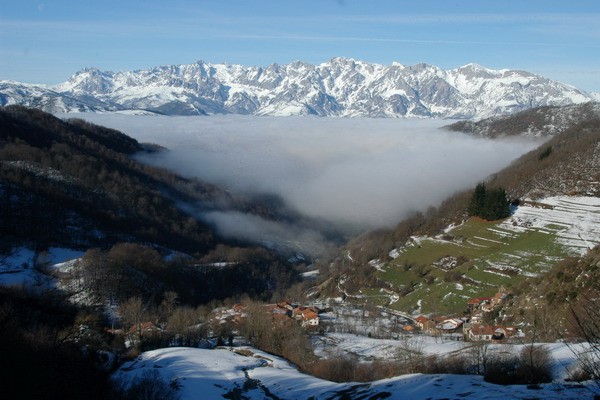
Hábitat: Found in rocky subalpine and alpine grasslands, limestone crevices, and scree slopes of the Cantabrian Mountains.
Armeria cantabrica is easily recognized by its low, dense, dome-shaped cushions of narrow, needle-like, dark green basal leaves resembling tufts of grass. Rising from these tufts are erect, hairless stems reaching 10 to 35 centimeters in height, each capped by a single, globular flower head. This spherical inflorescence, measuring about 1.5 to 2.5 centimeters in diameter, consists of numerous small, five-petaled flowers ranging in color from soft pastel pink to deep magenta, nestled within papery bracts.
Categoría
PlantasRareza
Common
Peligro
1/5 · Muy bajo
Snaps
¡Sé la primera persona en hacer un snap!
Armeria cantabrica is a narrow endemic, meaning its wild population is entirely restricted to the rugged Cantabrian Mountains of northern Spain.
Its cushion-like growth habit is an alpine survival strategy, trapping warmth and moisture while protecting the plant from freezing mountain winds.
The pink flower head is actually a dense, spherical cluster of many small individual flowers, making it highly attractive to mountain pollinators.
Possesses strong, woody taproots that can penetrate deep into narrow limestone crevices to anchor the plant and access hidden water reserves.
Grows in tight, low-profile hummocks that hug the ground, minimizing water loss from wind evaporation and trapping a pocket of warm air within the foliage.
Capable of thriving in mineral-rich, calcium-heavy soils and scree where other plants struggle, successfully processing high concentrations of calcium carbonate.
As a photoautotrophic plant, it produces its own food through photosynthesis, utilizing sunlight, carbon dioxide, and water along with soil minerals.
Rupicapra pyrenaica parva
Grazes on alpine vegetation including the foliage of Armeria cantabrica.
Bombus monticola
Pollinates the flowers while foraging for nectar and pollen.
Iberolacerta monticola
Shares alpine rock cracks, occasionally utilizing the dense foliage cushions for warmth and cover.
Aún no hay insignias de rasgos asignadas a este objeto.
Todavía no hay alias listados.
Las colecciones para este objeto aparecerán aquí a medida que se añadan más temas.
Peligro
1/5 · Muy bajo
Todavía no hay notas especiales de seguridad.
La forma más fácil de identificar a Armeria Cantabrica es usar la aplicación de identificación de naturaleza Snappit.
10-35 cm
5-15 años
As a photoautotrophic plant, it produces its own food through photosynthesis, utilizing sunlight, carbon dioxide, and water along with soil minerals.
Found in rocky subalpine and alpine grasslands, limestone crevices, and scree slopes of the Cantabrian Mountains.
Acércate para separar los grupos y explorar dónde se ha fotografiado este objeto.
Los snaps recientes aparecerán aquí a medida que se añadan nuevas observaciones.