

Armoracia
armoracia
Armoracia, comúnmente conocida como rábano picante, es una planta perenne vigorosa y frondosa, reconocida mundialmente por su rizoma grueso e intensamente picante. Originaria del sureste de Europa y Asia occidental, esta resistente miembro de la familia de la mostaza ha sido cultivada durante miles de años como especia culinaria y como medicina herbal tradicional. Sus grandes hojas de color verde oscuro crecen en robustos grupos, presentando una presencia llamativa tanto en jardines como en paisajes silvestres. Cuando su raíz es rallada, una reacción química libera compuestos volátiles que despejan los senos nasales y excitan el paladar. Más allá de su famosa raíz, la planta juega un papel valioso en los ecosistemas templados, ofreciendo néctar a los polinizadores de principios de temporada y demostrando una asombrosa capacidad para prosperar en suelos pobres y alterados.
Hábitat: Típicamente se encuentra en suelos húmedos y ricos en nutrientes a lo largo de caminos, zonas ribereñas, campos agrícolas abandonados y terrenos alterados.
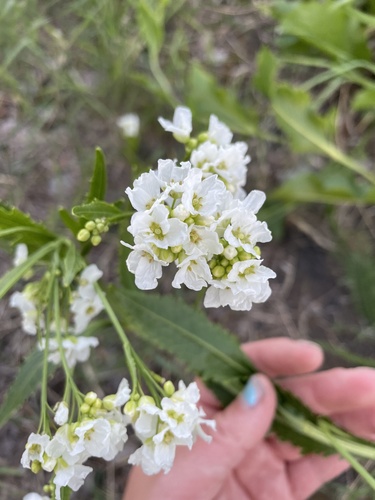
Esta planta se caracteriza por grandes hojas oblongas, arrugadas y de color verde con bordes ondulados que crecen en densas rosetas basales, alcanzando hasta 150 centímetros de altura. A finales de la primavera, emite tallos florales altos y ramificados que llevan delicados racimos de diminutas flores blancas de cuatro pétalos. Debajo de la superficie se encuentra su característica definitoria: una raíz pivotante larga, cónica y cilíndrica con un exterior áspero de color tostado-beige y una pulpa interior crujiente y de color blanco puro.
Categoría
PlantasRareza
Común
Peligro
1/5 · Muy bajo
Snaps
¡Sé la primera persona en hacer un snap!
En la medicina tradicional europea, la raíz se utilizaba como cataplasma para aliviar el dolor articular y la congestión respiratoria.
Casi toda la pasta de wasabi que se vende comercialmente en los restaurantes occidentales es en realidad rábano picante teñido mezclado con mostaza.
La sensación de ardor del rábano picante no se experimenta en la lengua, sino en las fosas nasales, causada por los aceites volátiles de mostaza.
Sintetiza glucosinolatos que se convierten en isotiocianato de alilo picante cuando el tejido vegetal es aplastado, disuadiendo a la mayoría de los herbívoros.
Puede regenerar una planta completamente nueva a partir de un pequeño fragmento de raíz dejado profundamente en el suelo, lo que la hace altamente resistente.
Soporta temperaturas invernales bajo cero entrando en dormancia, protegiendo su profundo sistema radicular para brotar vigorosamente en primavera.
Como autótrofo fotosintético, produce su propia energía utilizando la luz solar, el dióxido de carbono y el agua, mientras absorbe los nutrientes del suelo.
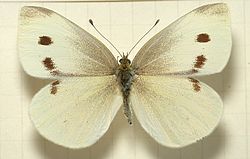
Pieris rapae
Las orugas se alimentan en gran medida de las hojas grandes y ricas en nutrientes.
Phyllotreta armoraciae
Un insecto especialista que se alimenta exclusivamente de plantas de la familia Brassicaceae, incluyendo las hojas de rábano picante.

Apis mellifera
Atraída por las densas panículas de pequeñas flores blancas para la recolección de polen y néctar.
Aún no hay insignias de rasgos asignadas a este objeto.
Todavía no hay alias listados.
Las colecciones para este objeto aparecerán aquí a medida que se añadan más temas.
Peligro
1/5 · Muy bajo
Todavía no hay notas especiales de seguridad.
Empieza por la planta entera y luego compara la disposición de las hojas, sus bordes, los tallos y las flores o frutos, si los hay. Las hojas opuestas crecen en parejas; las alternas salen de una en una a lo largo del tallo. Juntos, estos detalles dicen mucho más que una sola hoja verde. Identificador de plantas: sube una foto y compara los detalles visibles.
60-150 cm
0.5-3 kg
5-20 años
Como autótrofo fotosintético, produce su propia energía utilizando la luz solar, el dióxido de carbono y el agua, mientras absorbe los nutrientes del suelo.
Típicamente se encuentra en suelos húmedos y ricos en nutrientes a lo largo de caminos, zonas ribereñas, campos agrícolas abandonados y terrenos alterados.
Acércate para separar los grupos y explorar dónde se ha fotografiado este objeto.
Los snaps recientes aparecerán aquí a medida que se añadan nuevas observaciones.
Llévate el descubrimiento
Haz una foto con Snappit, identifica la especie y guarda el hallazgo en tu colección.