





Asparagus albus
Asparagus albus
El Asparagus albus es una planta especial que crece alta y tiene tallos delgados y verdes. Se puede encontrar en muchos lugares y es conocida por sus sabrosos brotes jóvenes que a la gente le encanta comer.
Hábitat: Pastizales
El Asparagus albus es un arbusto delgado y ramificado con tallos fuertes y hojas en forma de aguja, que a menudo parecen de color blanco plateado. Produce pequeñas flores blancas en forma de campana seguidas de unas bayas blancas muy características del tamaño de un guisante que destacan sobre su follaje.
Categoría
PlantasRareza
Common
Peligro
1/5 · Muy bajo
Snaps
¡Sé la primera persona en hacer un snap!
A veces se la llama 'esparraguera blanca' por el color único de sus frutos.
Su nombre "albus" significa blanco en latín, ¡en referencia a sus llamativas bayas blancas!
¡A esta resistente planta le encantan los lugares cálidos y rocosos donde a otras plantas les cuesta crecer!
Aunque está emparentada con los espárragos comestibles, los humanos no comen los brotes de esta planta.
El Asparagus albus tiene raíces gruesas y carnosas que almacenan agua, lo que le ayuda a sobrevivir largos períodos secos en su soleado hogar mediterráneo.
El Asparagus albus produce bayas de color blanco brillante, un color raro en la naturaleza, que atraen a las aves para esparcir sus semillas a lo largo y ancho.
El Asparagus albus puede propagarse a través de rizomas subterráneos, lo que le permite formar densos grupos y colonizar nuevos terrenos de manera eficiente.
Apis mellifera
Visita sus pequeñas flores en busca de néctar y polen.

Bombus terrestris
Otro insecto polinizador común de sus flores.
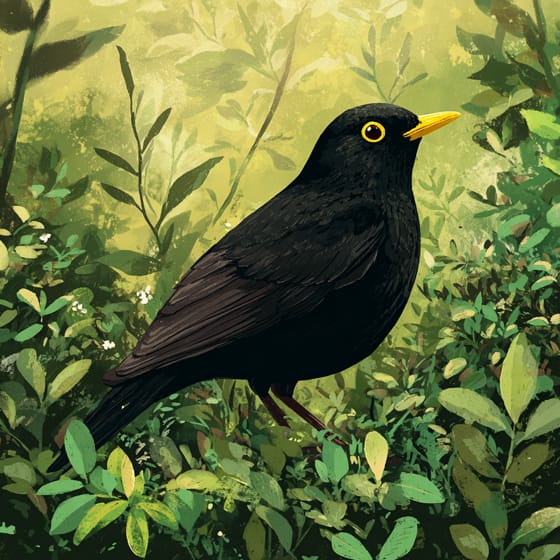
Turdus merula
Se alimenta de las bayas blancas, ayudando en la dispersión de las semillas.
Las plantas con flores son cualquier planta que produce flores como parte de su ciclo reproductivo.
Las plantas similares a la hierba son plantas herbáceas que se asemejan visualmente a las verdaderas hierbas, típicamente con hojas largas y estrechas.
Las plantas comestibles son aquellas partes de una planta que se consideran seguras para el consumo humano.
Las plantas de crecimiento rápido exhiben tasas de crecimiento aceleradas, aumentando rápidamente de tamaño y biomasa en un corto período de tiempo.

Describe plantas que son particularmente atractivas y beneficiosas para una amplia variedad de organismos polinizadores.

Los hábitats de pastizales son biomas terrestres dominados por pastos y plantas herbáceas, que sustentan a una variedad de animales de pastoreo.
Todavía no hay alias listados.
Peligro
1/5 · Muy bajo
Pide siempre permiso a un adulto antes de tocar o comer cualquier planta.
La forma más fácil de identificar a Asparagus albus es usar la aplicación de identificación de naturaleza Snappit.
30-100 cm
20-60 cm
0.3-0.5 cm
Summer to early Fall
No
Leve
Perenne
Acércate para separar los grupos y explorar dónde se ha fotografiado este objeto.
Los snaps recientes aparecerán aquí a medida que se añadan nuevas observaciones.
Llévate el descubrimiento
Haz una foto con Snappit, identifica la especie y guarda el hallazgo en tu colección.








.jpg&width=800)



_001.jpg&width=800)



