

Astiptodonta Aonides
astiptodonta aonides
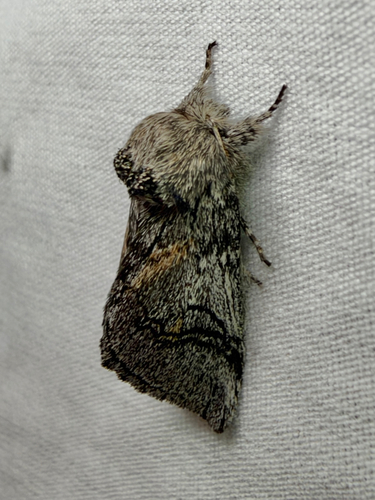
Astiptodonta aonides, conocida comúnmente como la polilla prominente Aonides, es un miembro cautivador de la familia Notodontidae nativa de los bosques caducifolios del este de Norteamérica. Estos insectos son maravillas del camuflaje natural, mezclándose perfectamente con la corteza de sus árboles hospederos durante el día para evitar depredadores visuales como las aves. Como orugas, son herbívoros diligentes que se alimentan de robles, mientras que los adultos viven vidas breves dedicadas puramente a la reproducción, dependiendo enteramente de la energía almacenada.
Hábitat: Se encuentra en bosques caducifolios y robledales a lo largo del este de Norteamérica.
Los adultos suelen tener una envergadura de 3 a 5 centímetros, luciendo alas anteriores intrincadamente estampadas en tonos de gris pizarra, carbón y marrón madera que replican perfectamente la corteza de los árboles. Sus alas posteriores son de un color marrón grisáceo más simple y claro. Al descansar, pliegan sus alas cerca de su espalda en una postura empinada, similar a un tejado, ocultando sus patas y antenas para realzar su apariencia de corteza.
Categoría
InsectosRareza
Común
Peligro
1/5 · Muy bajo
Snaps
¡Sé la primera persona en hacer un snap!
Las polillas prominentes Aonides adultas tienen piezas bucales vestigiales y no comen ni una sola vez durante su vida adulta.
El nombre de la especie 'aonides' se refiere a Aonia, una región clásica de Grecia asociada con las Musas, haciendo referencia al patrón artístico de sus alas.
Sus orugas cortan y sueltan deliberadamente fragmentos de hojas para ocultar los signos de su actividad alimenticia de las aves que buscan alimento.
El patrón de las alas anteriores de la polilla imita de cerca la textura y coloración de la corteza de los árboles, permitiéndole permanecer prácticamente invisible para los depredadores cuando descansa en los troncos de los árboles.
Cuando es amenazada por depredadores o avispas parasitoides, la oruga se agita violentamente para disuadir a los atacantes.
Los machos poseen antenas plumosas altamente sensibles capaces de detectar feromonas femeninas a grandes distancias en los doseles oscuros del bosque.
Las orugas se alimentan estrictamente de las hojas de los robles, mientras que las polillas adultas no se alimentan en absoluto debido a sus piezas bucales vestigiales.
Diferencias por edad: Las larvas son voraces consumidoras de hojas, mientras que los adultos no tienen piezas bucales funcionales y no consumen alimento.

Quercus alba
Las larvas se alimentan del follaje de este árbol hospedero primario.

Cyanocitta cristata
Esta ave busca activamente en los troncos de los árboles polillas y orugas en reposo.

Peromyscus leucopus
Busca alimento en la hojarasca y depreda las pupas subterráneas durante el invierno.
Aún no hay insignias de rasgos asignadas a este objeto.
Todavía no hay alias listados.
Las colecciones para este objeto aparecerán aquí a medida que se añadan más temas.
Peligro
1/5 · Muy bajo
Todavía no hay notas especiales de seguridad.
Compara la forma de las alas en reposo, las marcas de las alas anteriores, las antenas y la complexión del cuerpo. En las polillas pequeñas y marrones, todo puede depender de detalles finos que una foto de móvil no siempre capta. Identificador de polillas: sube una foto y compara los detalles visibles.
2+ cm
3+ cm
0.0001+ kg
0+ años
15 km/h
Las orugas se alimentan estrictamente de las hojas de los robles, mientras que las polillas adultas no se alimentan en absoluto debido a sus piezas bucales vestigiales.
Se encuentra en bosques caducifolios y robledales a lo largo del este de Norteamérica.
Acércate para separar los grupos y explorar dónde se ha fotografiado este objeto.
Los snaps recientes aparecerán aquí a medida que se añadan nuevas observaciones.
Llévate el descubrimiento
Haz una foto con Snappit, identifica la especie y guarda el hallazgo en tu colección.