





Augochloropsis metallica
Augochloropsis metallica
La Augochloropsis metallica es una abeja verde brillante a la que le encanta visitar flores. Estos amigables insectos ayudan a las plantas a crecer al esparcir el polen mientras recolectan néctar.
Hábitat: Áreas urbanas
La Augochloropsis metallica es una abeja pequeña e iridiscente con un llamativo cuerpo verde metálico o azul-verdoso. Su exoesqueleto liso y brillante la hace visualmente distinta de muchas otras abejas, a menudo brillando como una joya bajo la luz del sol.
Categoría
InsectosRareza
Common
Peligro
1/5 · Muy bajo
Snaps
¡Sé la primera persona en hacer un snap!
¡Su asombroso color verde no es un pigmento, sino pequeñas estructuras que reflejan la luz como un prisma!
¡Estas deslumbrantes abejas son solitarias, lo que significa que cada hembra construye su propio nido sin una reina!
A menudo eligen troncos viejos o ramas caídas para sus viveros, perforando túneles perfectos en su interior.
A diferencia de muchas abejas, no producen miel, centrándose puramente en el polen y el néctar para sus crías.
La Augochloropsis metallica puede vibrar partes de las flores (sonicación) lo que les ayuda a liberar el polen pegajoso de ciertas plantas.
La Augochloropsis metallica puede masticar madera podrida para crear túneles que les ayudan a construir nidos seguros para sus crías.
La Augochloropsis metallica tiene un exoesqueleto metálico brillante que les ayuda a mimetizarse con el follaje para evitar depredadores.
Estas abejas se alimentan del néctar de las flores para obtener energía y recolectan polen para alimentar a sus crías en crecimiento.
Rudbeckia hirta
Transfiere polen entre flores
Solidago canadensis
Ayuda a la planta a reproducirse transportando polen

Monarda fistulosa
Crucial para la reproducción de esta flor
Sayornis phoebe
Un ave común que depreda insectos voladores
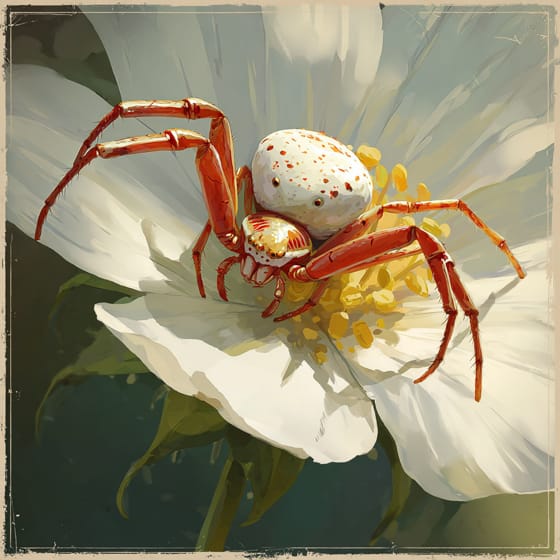
Misumena vatia
Depredador de emboscada en flores, depreda abejas
Los animales solitarios viven solos durante la mayor parte de su vida y solo interactúan con otros para aparearse o cuidar de sus crías.
Colorido describe a organismos u objetos que exhiben una amplia variedad de colores brillantes y distintivos.
Este rasgo caracteriza a los organismos cuya dieta consiste total o principalmente en material vegetal.
Describe plantas que son particularmente atractivas y beneficiosas para una amplia variedad de organismos polinizadores.

Los animales diurnos están activos principalmente durante el día y suelen descansar o dormir por la noche.

Esta característica de hábitat indica especies que pueden coexistir con los humanos en entornos urbanos y suburbanos, utilizando estructuras artificiales y espacios verdes.

Describe organismos que transfieren polen, permitiendo la fertilización y reproducción de las plantas.
Todavía no hay alias listados.
Peligro
1/5 · Muy bajo
Sé amable y silencioso cerca de las abejas; son útiles y generalmente no pican a menos que se asusten.
La forma más fácil de identificar a Augochloropsis metallica es usar la aplicación de identificación de naturaleza Snappit.
8-14 mm
5-9 mm
40-70 días
15 km/h
Estas abejas se alimentan del néctar de las flores para obtener energía y recolectan polen para alimentar a sus crías en crecimiento.
Áreas urbanas
Forrajeo
Acércate para separar los grupos y explorar dónde se ha fotografiado este objeto.
Los snaps recientes aparecerán aquí a medida que se añadan nuevas observaciones.
Llévate el descubrimiento
Haz una foto con Snappit, identifica la especie y guarda el hallazgo en tu colección.







.jpg&width=800)



