

Austrostipa
austrostipa
Austrostipa, comúnmente conocida como hierba lanza, es un género diverso y ecológicamente vital de gramíneas perennes de macolla nativas predominantemente de Australia. Estas gramíneas son una característica esencial del paisaje australiano, prosperando en bosques abiertos, pastizales y regiones áridas donde actúan como pioneras en suelos alterados y desempeñan un papel crítico en la prevención de la erosión del suelo. Lo que hace que Austrostipa sea verdaderamente fascinante es su estrategia reproductiva altamente evolucionada: sus semillas presentan aristas largas, retorcidas y filiformes que reaccionan dinámicamente a la humedad atmosférica, literalmente perforándose en el suelo para asegurar una germinación exitosa. Sirven como hábitat esencial y fuente de alimento para innumerables aves nativas, insectos y marsupiales.
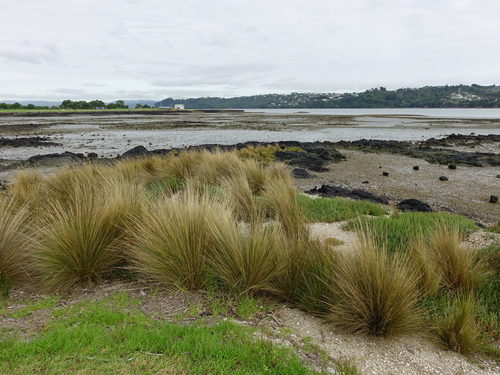
Hábitat: Se encuentra en pastizales abiertos, bosques secos, dunas costeras y laderas rocosas en regiones templadas y semiáridas.
Las especies de Austrostipa suelen formar densos mechones o matas erguidas de hojas verdes estrechas, enrolladas o planas. Producen llamativas cabezas florales plumosas (panículas) que pueden variar en color desde el blanco plateado hasta el bronce oscuro. La característica más distintiva es la unidad de semilla, que consiste en una base afilada y puntiaguda (el callo) unida a una arista larga, retorcida y en forma de aguja que puede alcanzar hasta 10 cm de longitud, dando a la planta una apariencia plumosa y nebulosa cuando está en plena floración.
Categoría
PlantasRareza
Común
Peligro
1/5 · Muy bajo
Snaps
¡Sé la primera persona en hacer un snap!
Las especies de Austrostipa son excelentes estabilizadores del suelo, previniendo la erosión en ambientes secos y ventosos gracias a sus extensas redes de raíces.
Las semillas afiladas pueden penetrar fácilmente los calcetines de los excursionistas y los abrigos lanudos de las ovejas, lo que ayuda a la planta a dispersar sus semillas a nuevas áreas.
La acción de torsión de la arista de la semilla es tan poderosa que incluso puede perforar algunas telas ligeras.
Como planta, genera su propia energía a través de la fotosíntesis, absorbiendo agua y nutrientes minerales del suelo mientras fija dióxido de carbono del aire.
Aún no hay insignias de rasgos asignadas a este objeto.
Todavía no hay alias listados.
Las colecciones para este objeto aparecerán aquí a medida que se añadan más temas.
Peligro
1/5 · Muy bajo
Todavía no hay notas especiales de seguridad.
Compara las espigas con semillas, la forma del tallo, cómo se unen las hojas y la articulación donde la hoja se une al tallo. Un trozo de césped recién cortado rara vez muestra lo suficiente para una identificación exacta. Identificador de gramíneas: sube una foto y compara los detalles visibles.
30-150 cm
5-20 años
Como planta, genera su propia energía a través de la fotosíntesis, absorbiendo agua y nutrientes minerales del suelo mientras fija dióxido de carbono del aire.
Se encuentra en pastizales abiertos, bosques secos, dunas costeras y laderas rocosas en regiones templadas y semiáridas.
Acércate para separar los grupos y explorar dónde se ha fotografiado este objeto.
Los snaps recientes aparecerán aquí a medida que se añadan nuevas observaciones.
Llévate el descubrimiento
Haz una foto con Snappit, identifica la especie y guarda el hallazgo en tu colección.