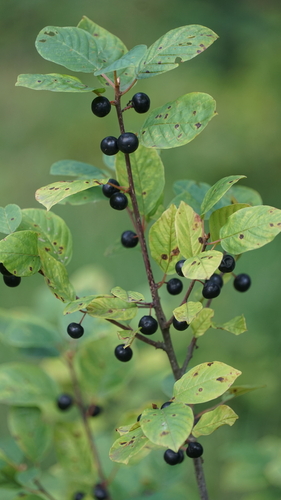
balsam poplar
Populus balsamifera
The balsam poplar is a tall tree with smooth, greenish bark and big, heart-shaped leaves. It grows near rivers and likes wet places. The tree smells sweet, especially in spring!
Hábitat: Wetlands
The balsam poplar is a tall tree with a straight trunk and a broadly conical crown. Its dark green, oval-shaped leaves have fine teeth and turn yellow in fall. The reddish-brown, sticky buds are distinctive, exuding a sweet, resinous scent.
Categoría
PlantasRareza
Common
Peligro
1/5 · Muy bajo
Snaps
¡Sé la primera persona en hacer un snap!
Balsam poplars can grow up to six feet in a single year when young!
Indigenous peoples dried and ate the sweet, inner bark for energy.
Its sticky buds were once used to make a soothing balm for skin!
The wood is light but strong, often used for making crates and pulp.
Balsam poplar has resinous buds that protect new growth from pests and cold, and give off a unique scent.
It can quickly regrow from root sprouts after fire or logging, helping it recover in its habitat.
This tree can survive extremely cold winters, thriving in northern climates where other trees struggle.
Alces alces
browses on twigs and leaves
Saperda calcarata
larvae tunnel into wood
Castor canadensis
fells trees for food and dam building
Setophaga petechia
nests in its branches
Las plantas caducifolias pierden periódicamente todas sus hojas, por lo general durante el otoño o las estaciones secas.
Las flores fragantes emiten un aroma agradable, a menudo para atraer polinizadores o como defensa.
Los árboles de hoja ancha son angiospermas caracterizadas por hojas planas y anchas que típicamente se caen anualmente en climas templados.
Las plantas de crecimiento rápido exhiben tasas de crecimiento aceleradas, aumentando rápidamente de tamaño y biomasa en un corto período de tiempo.

Describe plantas que son particularmente atractivas y beneficiosas para una amplia variedad de organismos polinizadores.
Se refiere a la madera que ha sido preparada para su uso en la construcción y la carpintería.

Este rasgo de hábitat identifica especies que se encuentran en humedales, que son áreas de tierra saturadas de agua, ya sea permanente o estacionalmente, e incluyen marismas, pantanos y ciénagas.
Todavía no hay alias listados.
Peligro
1/5 · Muy bajo
Stay away from the tree's branches and roots to avoid tripping.
2000-4000 cm
600-1200 cm
5-15 cm
Primavera
Sí
Ninguna
Perenne
Viento
Acércate para separar los grupos y explorar dónde se ha fotografiado este objeto.
Los snaps recientes aparecerán aquí a medida que se añadan nuevas observaciones.