






Banded Pennant
Celithemis fasciata
The Banded Pennant is a colorful dragonfly with bright yellow and black stripes. It loves to fly around sunny areas, catching tiny bugs to eat. Watching it zoom by is always a fun sight!
Hábitat: Wetlands
The Banded Pennant has a reddish-brown body, often with a brighter red abdomen in males, and distinctive dark reddish-brown bands or spots on each of its four transparent wings. Females tend to be more yellowish-brown, making them visually distinct from the brighter males.
Categoría
InsectosRareza
Common
Peligro
1/5 · Muy bajo
Snaps
¡Sé la primera persona en hacer un snap!
Banded Pennant nymphs live underwater for up to five years before they become adult dragonflies.
Each day, a single Banded Pennant can eat hundreds of bothersome mosquitoes.
They are ancient insects, having flown the Earth for over 300 million years!
They can control each of their four wings independently, allowing for amazing aerial stunts!
Banded Pennant has huge compound eyes that help them spot tiny flying insects from far away in almost every direction.
Banded Pennant can fly backwards, hover, and turn instantly because of its powerful, independently moving wings.
Banded Pennant has spiky legs that form a basket to scoop flying insects right out of the air while flying.
These speedy hunters catch and eat other insects, especially pesky mosquitoes and flies!
Diferencias por edad: Young nymphs eat aquatic insects and tiny tadpoles underwater; adults eat flying insects above water.
Aedes aegypti
Adults actively pursue and eat mosquitoes.
Lithobates catesbeianus
Adult dragonflies can be prey for large frogs.
Micropterus salmoides
Nymphs living underwater are prey for fish.
Marcado con bandas paralelas o líneas de color.
Las criaturas aéreas pasan una parte importante de su vida en el aire, utilizando el vuelo para diversas actividades como la caza, la migración o la anidación.
Colorido describe a organismos u objetos que exhiben una amplia variedad de colores brillantes y distintivos.
Este rasgo identifica a los organismos cuya dieta consiste principalmente en insectos y otros pequeños invertebrados.

Este rasgo de hábitat identifica especies que se encuentran en humedales, que son áreas de tierra saturadas de agua, ya sea permanente o estacionalmente, e incluyen marismas, pantanos y ciénagas.

Los animales diurnos están activos principalmente durante el día y suelen descansar o dormir por la noche.

Este rasgo identifica a los organismos que exhiben una rapidez excepcional en sus movimientos para cazar, escapar o desplazarse.

Describe organismos que transfieren polen, permitiendo la fertilización y reproducción de las plantas.
Todavía no hay alias listados.
Peligro
1/5 · Muy bajo
Dragonflies are friendly and won't hurt you, but it's best to watch them from a distance.
50-70 mm
30-45 mm
30-90 días
25 km/h
These speedy hunters catch and eat other insects, especially pesky mosquitoes and flies!
Wetlands
Pursuit
6
Acércate para separar los grupos y explorar dónde se ha fotografiado este objeto.
Los snaps recientes aparecerán aquí a medida que se añadan nuevas observaciones.

Massachusetts, US
Puedes ver Barnacla Canadiense, Common Watersnake y Cisne Vulgar.
Ver guía →
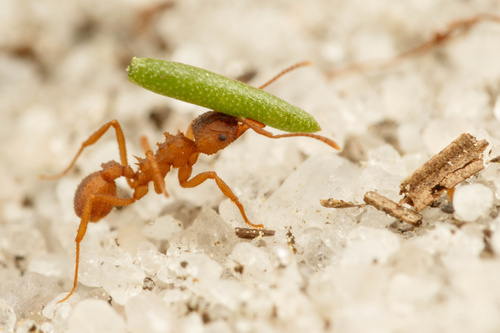
New York, US
Puedes ver Northern Fungus-Farming Ant, Bronzed Tiger Beetle y Gallberry.
Ver guía →














_(Syn._Megasternum_obscurum_(Marsham%2C_1802)_Syn._Megasternum_boletophagum_(Marsham%2C_1802))_(4303595533).jpg&width=800)

