





Barestem Biscuitroot
Lomatium nudicaule
Barestem Biscuitroot is a special plant with bright yellow flowers that look like little stars. It grows in the wild and is a favorite snack for some animals. Its roots are tasty and can be eaten by people too!
Hábitat: Grasslands
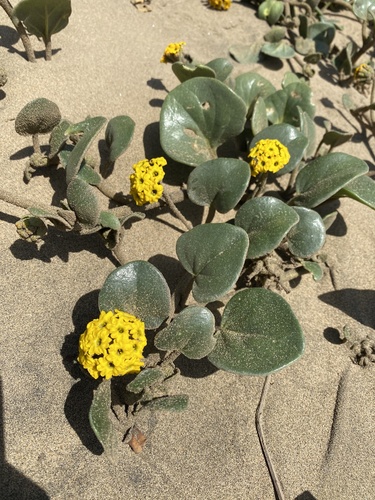
The Barestem Biscuitroot has striking yellow-green to bright yellow flower clusters, called umbels, that often appear on tall, leafless stalks before its fern-like basal leaves fully emerge. Its unique bare stems and broad, flattened seed pods make it stand out against rocky or dry landscapes.
Categoría
PlantasRareza
Common
Peligro
1/5 · Muy bajo
Snaps
¡Sé la primera persona en hacer un snap!
Indigenous peoples traditionally harvested and cooked the starchy roots for food.
Its unique name "Biscuitroot" comes from its roots being dried and ground into flour!
Sometimes, its yellow flowers are among the very first splashes of color in springtime.
The wide, flat seeds can float on wind, carrying them far to start new plants.
Barestem Biscuitroot has a thick taproot that dives deep into the soil to find water, helping it survive in dry, arid places.
This plant can bloom very early in spring, giving it a head start on pollination before many other plants emerge.
Barestem Biscuitroot stores energy in its large, edible taproot, allowing it to regrow quickly after dry periods or grazing.
Andrena candida
Visits early spring flowers for nectar and pollen.
Odocoileus hemionus
Browses on the leaves and sometimes the flower heads.
_(6974266104).jpg&width=800)
Papilio zelicaon
Caterpillars feed on the leaves of this plant.

Thomomys bottae
Digs up and consumes the starchy taproots.
Las plantas aromáticas producen y emiten compuestos orgánicos volátiles fragantes, a menudo como defensa o para atraer a los polinizadores.
Describe a los organismos capaces de convertir el nitrógeno atmosférico en compuestos utilizables por las plantas.
Las plantas con flores son cualquier planta que produce flores como parte de su ciclo reproductivo.
Las plantas de floración primaveral producen sus flores durante la temporada de primavera, lo que a menudo significa el final del invierno y el comienzo de un nuevo crecimiento.

Las plantas comestibles son aquellas partes de una planta que se consideran seguras para el consumo humano.

Describe plantas que son particularmente atractivas y beneficiosas para una amplia variedad de organismos polinizadores.

Los hábitats de pastizales son biomas terrestres dominados por pastos y plantas herbáceas, que sustentan a una variedad de animales de pastoreo.
Todavía no hay alias listados.
Peligro
1/5 · Muy bajo
Always ask an adult before touching or tasting any wild plants.
30-80 cm
20-40 cm
0.1-0.2 cm
Primavera
Sí
Ninguna
Perenne
Insectos
Acércate para separar los grupos y explorar dónde se ha fotografiado este objeto.
Los snaps recientes aparecerán aquí a medida que se añadan nuevas observaciones.




.jpg&width=800)



.jpg&width=800)







