





Bembix
Bembix
Bembix es un tipo de avispa de arena a la que le encanta excavar en la arena. Estos pequeños insectos son cazadores ocupados, atrapando moscas y otros insectos para alimentar a sus crías. A menudo se les ve zumbando alrededor de áreas arenosas.
Hábitat: Áreas costeras
La Bembix es una avispa de tamaño mediano y robusta que presenta un abdomen llamativo, con bandas negras y amarillas brillantes, a veces con marcas de color verde pálido o blanco. Su cabeza relativamente grande con ojos prominentes y antenas cortas y robustas ayudan a distinguirla. Las alas son típicamente claras o ligeramente teñidas.
Categoría
InsectosRareza
Common
Peligro
2/5 · Bajo
Snaps
¡Sé la primera persona en hacer un snap!
¡Una Bembix puede capturar y transportar presas incluso más grandes que ella misma!
¡Las madres Bembix proporcionan comidas de insectos paralizados a sus crías en lo profundo del suelo!
¡Algunas Bembix imitan a las abejas con sus rayas amarillas y negras para engañar a los depredadores!
¡Estas avispas excavan madrigueras de hasta un pie de profundidad en arena suelta!
Las Bembix adultas sorben néctar, ¡pero sus larvas en desarrollo se deleitan con insectos paralizados!
Diferencias por edad: Los adultos beben néctar, mientras que las larvas comen insectos paralizados proporcionados por su madre.
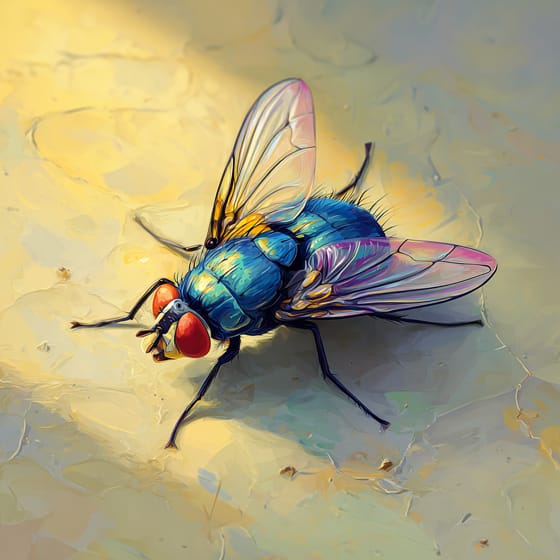
Musca domestica
Principal presa para las larvas de Bembix.
Sarcophaga carnaria
Ítem de presa común para alimento larval.

Daucus carota
Los adultos se alimentan del néctar de sus flores.
Conops flavipes
Las larvas de esta mosca son parásitos internos.
Los animales solitarios viven solos durante la mayor parte de su vida y solo interactúan con otros para aparearse o cuidar de sus crías.
Las criaturas aéreas pasan una parte importante de su vida en el aire, utilizando el vuelo para diversas actividades como la caza, la migración o la anidación.
Este rasgo identifica a los organismos cuya dieta consiste principalmente en insectos y otros pequeños invertebrados.
Los hábitats costeros son entornos dinámicos situados a lo largo de la interfaz entre la tierra y el mar, influenciados por las mareas, las olas y el agua salada.

Este rasgo identifica a los organismos cuya dieta consiste total o principalmente en tejido animal.

Los animales diurnos están activos principalmente durante el día y suelen descansar o dormir por la noche.

Describe organismos que transfieren polen, permitiendo la fertilización y reproducción de las plantas.
Todavía no hay alias listados.
Peligro
2/5 · Bajo
Observa a Bembix desde la distancia y no intentes tocarlas. Usualmente no son peligrosas.
La forma más fácil de identificar a Bembix es usar la aplicación de identificación de naturaleza Snappit.
20-50 mm
10-25 mm
20-45 días
20 km/h
Las Bembix adultas sorben néctar, ¡pero sus larvas en desarrollo se deleitan con insectos paralizados!
Áreas costeras
Persecución
Acércate para separar los grupos y explorar dónde se ha fotografiado este objeto.
Los snaps recientes aparecerán aquí a medida que se añadan nuevas observaciones.
Llévate el descubrimiento
Haz una foto con Snappit, identifica la especie y guarda el hallazgo en tu colección.








.jpg&width=800)




