





Bibio
bibio
¡Las Bibio son pequeñas moscas fascinantes que a menudo aparecen en primavera. Tienen cuerpos negros brillantes y se les puede ver zumbando alrededor de las flores!
Hábitat: Las Bibio se pueden encontrar en jardines, prados y cerca de fuentes de agua.
La Bibio es una mosca robusta y peluda, típicamente negra o marrón oscuro con cuerpos vigorosos y alas distintivamente ahumadas o claras. Algunas especies tienen marcas de color naranja brillante o rojo en sus patas o tórax. Son visualmente diferentes de las moscas domésticas debido a su constitución más gruesa y, a menudo, a la coloración más oscura de sus alas.
Categoría
InsectosRareza
Common
Peligro
0/5 · Sin peligro conocido
Snaps
¡Sé la primera persona en hacer un snap!
¡Las larvas de Bibio pueden vivir bajo tierra hasta un año entero antes de transformarse en adultos!
Aunque muchas Bibio vuelan en primavera, ¡algunas especies únicas emergen para volar en otoño en su lugar!
¡Los Bibio machos a menudo se agrupan en enjambres, pareciendo pequeñas nubes voladoras en primavera!
¡Algunas especies de Bibio se llaman 'moscas del espino' por su planta favorita de primavera!
Los machos de Bibio pueden reunirse en enormes enjambres aéreos porque esto les ayuda a encontrar pareja rápidamente durante sus cortas vidas adultas.
Las larvas de Bibio tienen piezas bucales fuertes que les ayudan a descomponer hojas y plantas muertas en el suelo, enriqueciéndolo.
Los adultos de Bibio desafían el clima fresco de primavera para polinizar plantas de floración temprana que otros insectos podrían pasar por alto.
Las Bibio adultas generalmente no comen, pero sus larvas son descomponedores vitales, masticando plantas muertas.
Diferencias por edad: Los adultos típicamente no se alimentan, centrándose enteramente en la reproducción. Las larvas son detritívoras.

Prunus spinosa
Las Bibio ayudan a polinizar sus flores de principios de primavera.
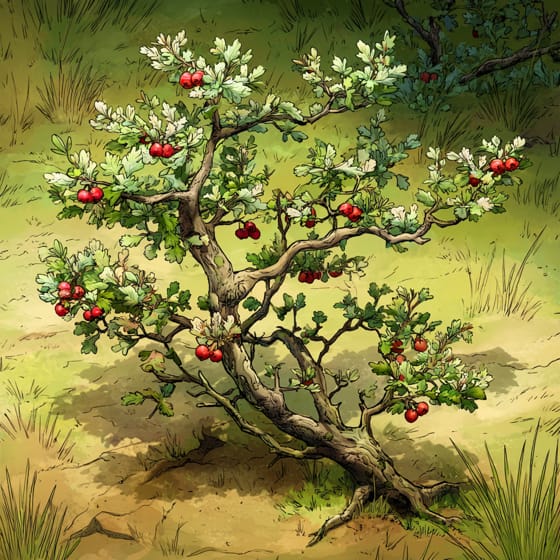
Crataegus monogyna
Las Bibio son importantes polinizadores tempranos de los árboles de espino.
Salix caprea
Las Bibio visitan y polinizan los amentos de sauce a principios de primavera.
%2C_Parc_de_Woluw%C3%A9%2C_Brussels_(13042792905).jpg&width=800)
Parus major
Las Bibio adultas son una fuente de alimento para muchas aves insectívoras.
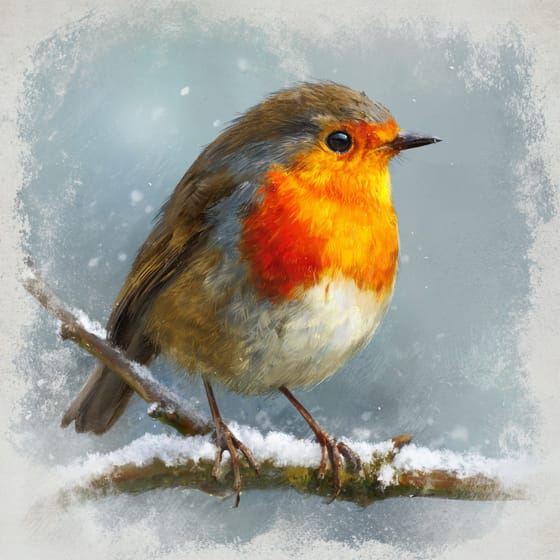
Erithacus rubecula
Los petirrojos se alimentan de Bibio, especialmente durante su emergencia primaveral.
Los animales sociales viven en grupos organizados, cooperando para obtener beneficios de supervivencia como la búsqueda de alimento, la defensa y la cría de descendencia.
Colorido describe a organismos u objetos que exhiben una amplia variedad de colores brillantes y distintivos.
Los hábitats boscosos son entornos terrestres dominados por una densa cubierta arbórea, que sustentan una gran diversidad de vida animal y vegetal.
Los animales diurnos están activos principalmente durante el día y suelen descansar o dormir por la noche.

Describe organismos que transfieren polen, permitiendo la fertilización y reproducción de las plantas.
Peligro
0/5 · Sin peligro conocido
Todavía no hay notas especiales de seguridad.
La forma más fácil de identificar a Bibio es usar la aplicación de identificación de naturaleza Snappit.
8-25 mm
4-12 mm
3-10 días
8 km/h
Las Bibio adultas generalmente no comen, pero sus larvas son descomponedores vitales, masticando plantas muertas.
Las Bibio se pueden encontrar en jardines, prados y cerca de fuentes de agua.
Recolección
Acércate para separar los grupos y explorar dónde se ha fotografiado este objeto.
Los snaps recientes aparecerán aquí a medida que se añadan nuevas observaciones.
Llévate el descubrimiento
Haz una foto con Snappit, identifica la especie y guarda el hallazgo en tu colección.








.jpg&width=800)


