Big Rough Fescue
festuca campestris
Big Rough Fescue is a tough grass that grows tall and provides shelter for many small animals. It loves to dance in the wind on sunny days, making the fields look beautiful!
Hábitat: It lives in grasslands and open areas across North America.
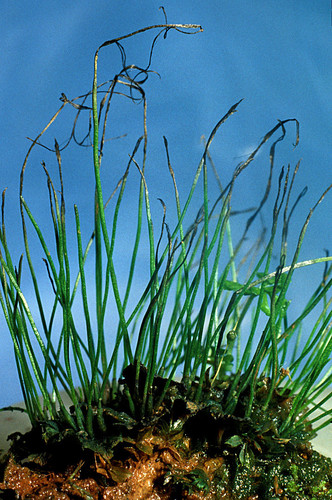
The Big Rough Fescue is a tall, clumping grass with narrow, bluish-green leaves that often feel rough to the touch. It forms dense tufts, standing out with its upright growth and slender seed stalks that can sometimes carry a purplish tint.
Categoría
PlantasRareza
Common
Peligro
0/5 · Sin peligro conocido
Snaps
¡Sé la primera persona en hacer un snap!
Even when dormant and brown, it can still bounce back green when conditions improve!
Its extra-tough leaves have a special waxy coating to stop them from drying out!
Some scientists study its tough nature to help create hardier crop plants for the future!
This grass has evolved to thrive in wildfire-prone areas, quickly regrowing after fires!
Big Rough Fescue has very deep roots that help it find water in dry soils and hold the ground firm, stopping erosion.
Big Rough Fescue can thrive in harsh conditions, tolerating both cold winters and hot, dry summers where other plants struggle.
Big Rough Fescue is a super tough grass that can be grazed by animals and still bounce back to grow again, providing continuous food.
Bison bison
A vital food source for these large grazers.
Odocoileus hemionus
Provides sustenance for deer in its native habitats.
Microtus pennsylvanicus
Small mammals use its dense clumps for cover and nests.
Los animales sociales viven en grupos organizados, cooperando para obtener beneficios de supervivencia como la búsqueda de alimento, la defensa y la cría de descendencia.
Colorido describe a organismos u objetos que exhiben una amplia variedad de colores brillantes y distintivos.
Este rasgo caracteriza a los organismos cuya dieta consiste total o principalmente en material vegetal.
Los hábitats de pastizales son biomas terrestres dominados por pastos y plantas herbáceas, que sustentan a una variedad de animales de pastoreo.

Los animales diurnos están activos principalmente durante el día y suelen descansar o dormir por la noche.
Peligro
0/5 · Sin peligro conocido
Todavía no hay notas especiales de seguridad.
30-100 cm
20-50 cm
Summer (June-August)
No
Ninguna
Perenne
Viento
It lives in grasslands and open areas across North America.
Acércate para separar los grupos y explorar dónde se ha fotografiado este objeto.
Los snaps recientes aparecerán aquí a medida que se añadan nuevas observaciones.