
big skate
Raja binoculata
The big skate is a flat fish that glides gracefully along the ocean floor. It has a unique shape and can be found in cool waters, making it a special part of the underwater world.
Hábitat: Coastal areas
The big skate has a wide, diamond-shaped body with a long, thorny tail. Its coloration varies from light brown to dark gray, often with small, pale spots and blotches that help it blend with the seafloor. It's noticeably larger than most other skates, with two large eyes on top of its head.
Categoría
PecesRareza
Common
Peligro
2/5 · Bajo
Snaps
¡Sé la primera persona en hacer un snap!
Baby skates hatch from amazing, protective egg cases!
Big skates are the largest skate species in North America!
Their eyes are on top of their head, but their mouth is underneath!
They are part of the same family as sharks and rays!
Big skate can quickly bury itself under sand because of its flat body shape that helps them ambush prey or hide from danger.
Big skate has special pores on its snout that helps them detect the tiny electrical signals given off by hidden prey like crabs.
Big skate lays its eggs in tough, leathery cases called 'mermaid's purses' that helps them protect their developing young.
The big skate is a bottom-dwelling hunter that loves to eat small fish and crunchy crustaceans!
Diferencias por edad: Young skates eat mostly small crustaceans and worms, while adults shift to larger fish and crabs.
Carcharodon carcharias
Large sharks sometimes prey on big skates.
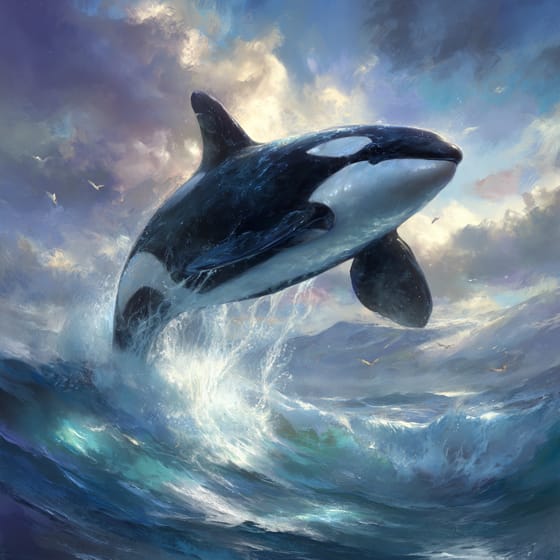
Orcinus orca
Killer whales occasionally hunt skates in coastal waters.

Cancer magister
Big skates actively hunt and eat various crab species.
Clupea pallasii
Smaller fish like herring are a common food source.
Los animales solitarios viven solos durante la mayor parte de su vida y solo interactúan con otros para aparearse o cuidar de sus crías.
El camuflaje describe a los organismos que poseen colores o patrones que les permiten mezclarse con su entorno.
Los organismos piscívoros son animales que subsisten principalmente de una dieta a base de peces.
Los animales planeadores se mueven por el aire lanzándose y manteniendo el vuelo con estructuras corporales especializadas, sin batir las alas.

Un depredador de emboscada caza esperando pacientemente y ocultándose, para luego lanzar un ataque repentino cuando una presa desprevenida se pone a su alcance.

Los hábitats costeros son entornos dinámicos situados a lo largo de la interfaz entre la tierra y el mar, influenciados por las mareas, las olas y el agua salada.

Este rasgo identifica a los organismos cuya dieta consiste total o principalmente en tejido animal.

Los hábitats marinos abarcan todos los entornos de agua salada de los océanos de la Tierra, sustentando una inmensa diversidad de vida acuática.
Peligro
2/5 · Bajo
If you see a skate at the beach, admire it from a distance and don't touch it.
80-240 cm
10-90 kg
15-20 años
The big skate is a bottom-dwelling hunter that loves to eat small fish and crunchy crustaceans!
5 km/h
Coastal areas
Ambush
800 m
Acércate para separar los grupos y explorar dónde se ha fotografiado este objeto.
Los snaps recientes aparecerán aquí a medida que se añadan nuevas observaciones.