






bitternut hickory
Carya cordiformis
The bitternut hickory is a tall tree with beautiful leaves and tasty nuts. It grows in forests and is loved by many animals who eat its nuts!
Hábitat: Forests
The bitternut hickory is a tall, slender tree with smooth, gray bark that becomes furrowed with age. Its most distinctive feature is the striking bright yellow, sulfur-colored buds that stand out in winter. It produces small, thin leaves and unique yellow, egg-shaped nuts with four prominent wings.
Categoría
PlantasRareza
Common
Peligro
1/5 · Muy bajo
Snaps
¡Sé la primera persona en hacer un snap!
Bitternut hickory nuts are so bitter, even most squirrels only eat them when truly starving!
Despite the bitter nuts, its strong wood is perfect for making things like tool handles and furniture!
Its bright yellow buds look like tiny pieces of sunshine, glowing even in snowy winter!
Native Americans once used the tree's bark to make a yellow dye for baskets and cloth!
Bitternut hickory has extremely bitter nuts that discourage most animals from eating them, helping its seeds survive.
Its striking yellow buds glow in winter, allowing easy identification even when its leaves have fallen.
This tree can grow in damp soils and even floodplains, thriving where other trees might struggle to survive.
Sciurus carolinensis
eats its bitter nuts, often burying them for later.
Odocoileus virginianus
browses on young twigs and leaves during winter.
Hyphantria cunea
larvae consume its leaves, creating visible silken webs.
Dryocopus pileatus
often excavates nesting cavities in its large trunks.
Las plantas caducifolias pierden periódicamente todas sus hojas, por lo general durante el otoño o las estaciones secas.
Las plantas que producen nueces dan frutos de cáscara dura, comúnmente conocidos como frutos secos o nueces, que contienen una sola semilla y son una valiosa fuente de alimento.
Los árboles de hoja ancha son angiospermas caracterizadas por hojas planas y anchas que típicamente se caen anualmente en climas templados.
Los colores otoñales se refieren al cambio estacional en la pigmentación del follaje, principalmente en plantas de hoja caduca, mostrando tonos vibrantes.

Las plantas comestibles son aquellas partes de una planta que se consideran seguras para el consumo humano.
Se refiere a la madera que ha sido preparada para su uso en la construcción y la carpintería.

Los hábitats boscosos son entornos terrestres dominados por una densa cubierta arbórea, que sustentan una gran diversidad de vida animal y vegetal.
Todavía no hay alias listados.
Peligro
1/5 · Muy bajo
Be careful not to climb too high in trees. Always ask an adult for help!
1500-3500 cm
1000-1500 cm
Primavera
No
Ninguna
Perenne
Viento
Forests
Acércate para separar los grupos y explorar dónde se ha fotografiado este objeto.
Los snaps recientes aparecerán aquí a medida que se añadan nuevas observaciones.




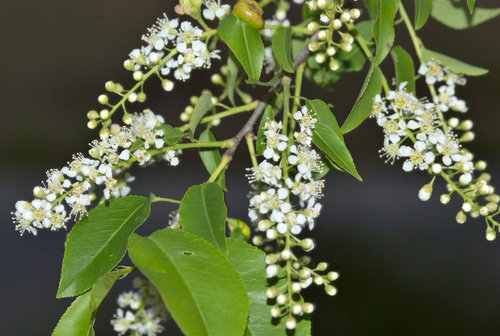











.jpg&width=800)


