






bittersweet nightshade
Solanum dulcamara
Bittersweet nightshade is a climbing plant with beautiful purple flowers and bright red berries. It's often found in gardens and along fences, making it a lovely sight in nature.
Hábitat: Urban areas
The bittersweet nightshade is a sprawling vine with delicate, star-shaped purple flowers, featuring prominent yellow anthers in a cone shape. Its glossy, oval leaves often have ear-like lobes near the base. Bright red, oval berries appear in clusters, making it visually striking.
Categoría
PlantasRareza
Common
Peligro
3/5 · Moderado
Snaps
¡Sé la primera persona en hacer un snap!
Despite being poisonous, traditional medicine sometimes uses parts of this plant.
It's related to familiar plants like tomatoes, potatoes, and eggplants!
Its name comes from the stem's taste: first bitter, then surprisingly sweet!
The yellow anthers on its purple flowers vibrate to release pollen! Wow!
Bittersweet nightshade can climb using its flexible stems, helping it reach sunlight in dense vegetation.
Bittersweet nightshade has toxic berries and leaves that deter herbivores, helping it defend against being eaten.
Bittersweet nightshade produces bright red berries that attract birds, helping it spread its seeds far and wide.
Bombus impatiens
collects pollen from its purple flowers
Turdus merula
eats the berries, helping to spread seeds
Leptinotarsa decemlineata
occasionally feeds on its leaves
Las plantas trepadoras o enredaderas se caracterizan por un hábito de crecimiento que les permite ascender enrollándose o usando zarcillos o raíces adhesivas.
Las plantas con flores son cualquier planta que produce flores como parte de su ciclo reproductivo.
Las plantas frutales producen frutos, que son los ovarios maduros de las plantas con flores que contienen semillas.
Describe plantas que son particularmente atractivas y beneficiosas para una amplia variedad de organismos polinizadores.

Los organismos tóxicos contienen sustancias que son venenosas y pueden causar efectos adversos al estar expuestos a ellas.

Esta característica de hábitat indica especies que pueden coexistir con los humanos en entornos urbanos y suburbanos, utilizando estructuras artificiales y espacios verdes.

Los organismos venenosos producen toxinas que pueden causar daño si se ingieren, inhalan o absorben por contacto.

Las especies invasoras son organismos no nativos que causan daños al medio ambiente, la economía o la salud humana.
Peligro
3/5 · Moderado
Don't touch or eat the berries, as they can make you feel sick.
30-200 cm
1-2 cm
Late spring to early fall
No
Alta
Perenne
Insectos
Urban areas
Acércate para separar los grupos y explorar dónde se ha fotografiado este objeto.
Los snaps recientes aparecerán aquí a medida que se añadan nuevas observaciones.

Quebec, CA
Puedes ver Ardilla Gris Oriental, Pato y Marmota.
Ver guía →
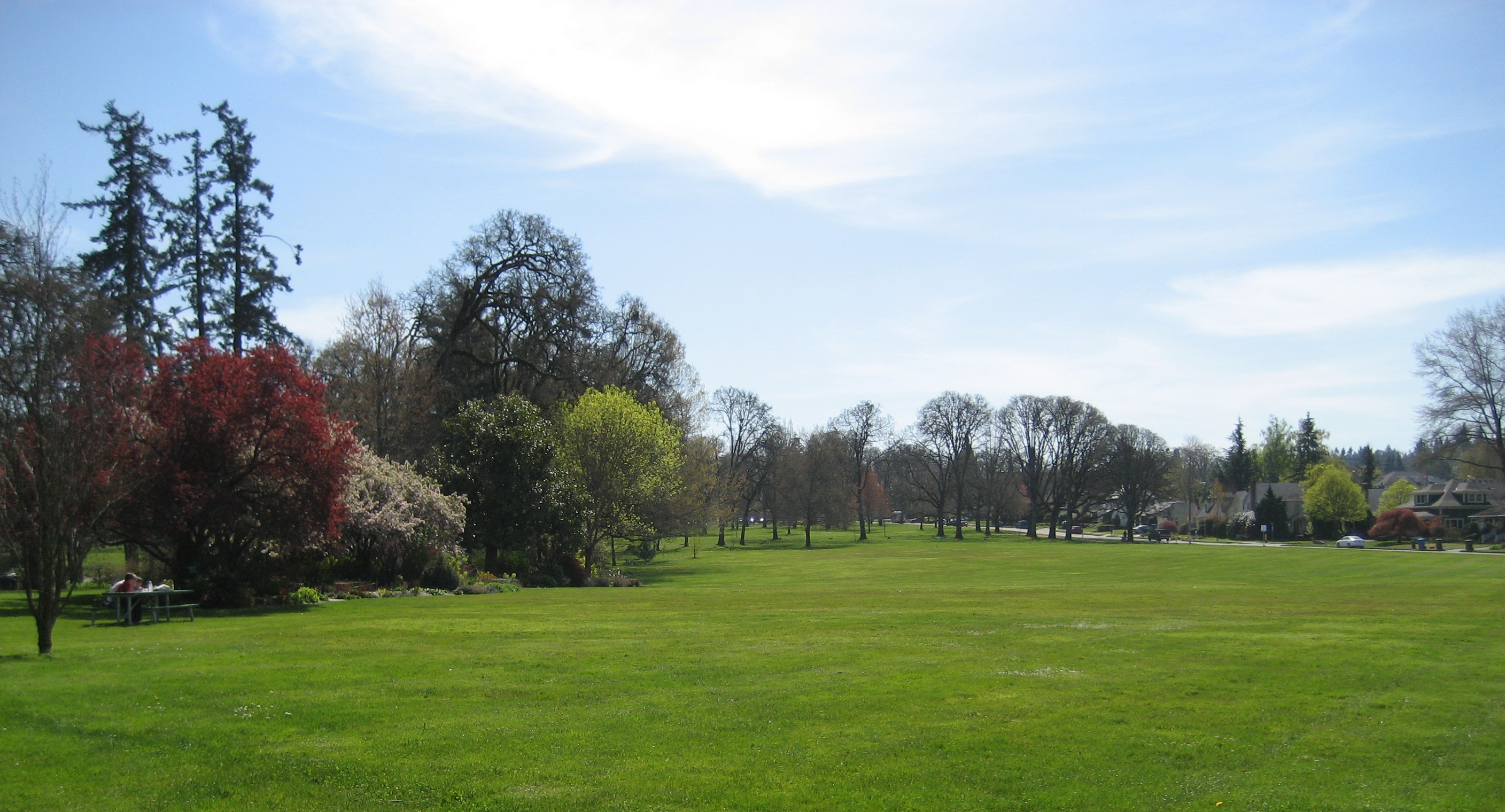
Oregon, US
Puedes ver Oregon Oak, Douglas's Ground Squirrel y Ardilla Gris Oriental.
Ver guía →
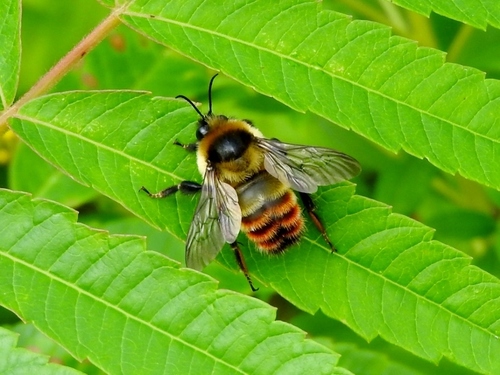
Wisconsin, US
Puedes ver Red-Belted Bumble Bee, Red-Breasted Merganser y Pato.
Ver guía →

Québec, CA
Puedes ver Common Eastern Bumble Bee y Mariquita Asiática.
Ver guía →
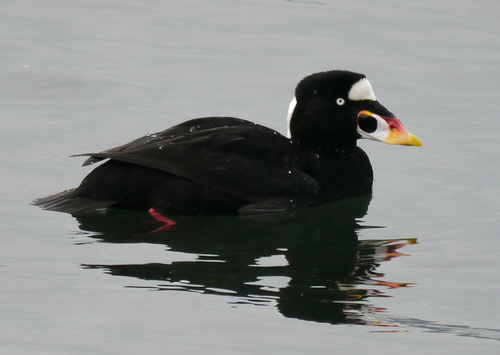
Washington, US
Puedes ver Surf Scoter, Eastern Cottontail y Rosa Silvestre.
Ver guía →

Washington, US
Puedes ver Barnacla Canadiense, Margarita y Pato.
Ver guía →
















