






Black-and-white Warbler
Mniotilta varia
The Black-and-white Warbler is a small bird with striking black and white stripes. It loves to hop around tree trunks and branches, searching for tasty insects to eat.
Hábitat: Forests
The Black-and-white Warbler is a small, streaky bird, covered in bold black and white stripes across its body and head. It has a slender bill and often appears with a distinctive creeper-like posture, helping it stand out among other warblers.
Categoría
AvesRareza
Common
Peligro
1/5 · Muy bajo
Snaps
¡Sé la primera persona en hacer un snap!
Its streaky black and white feathers help it disappear against tree bark, making it tricky to spot.
Male Black-and-white Warblers have more black on their throat and cheeks than the females.
They build cup-shaped nests hidden on the ground, often at the base of trees or under logs.
Unlike most warblers, this bird often creeps head-first down tree trunks, like a nuthatch!
Black-and-white Warbler can climb up and down tree trunks and branches like a tiny woodpecker, using its strong feet to find hidden insects.
Black-and-white Warbler has amazing navigation that helps them fly thousands of miles between continents each year.
These insect-eating birds love munching on a variety of small bugs and creepy crawlies!

Accipiter striatus
A common aerial predator of small songbirds.
Malacosoma americanum
A primary food source, especially during breeding season.
.jpg&width=800)
Molothrus ater
Lays its eggs in the warbler's nest, often to the detriment of warbler chicks.
Describe a los animales, principalmente aves, que poseen una cubierta de plumas.
Marcado con bandas paralelas o líneas de color.
Los animales cantores producen vocalizaciones complejas, a menudo con el propósito de atraer parejas, defender el territorio o comunicarse dentro de su especie.
Los animales arborícolas viven principalmente en los árboles, utilizándolos como refugio, alimento y protección contra los depredadores.

Este rasgo identifica a los organismos cuya dieta consiste principalmente en insectos y otros pequeños invertebrados.

Los hábitats boscosos son entornos terrestres dominados por una densa cubierta arbórea, que sustentan una gran diversidad de vida animal y vegetal.

Los animales diurnos están activos principalmente durante el día y suelen descansar o dormir por la noche.
Todavía no hay alias listados.
Peligro
1/5 · Muy bajo
Always watch birds from a distance and never try to touch or catch them.
11-13 cm
19-22 cm
0.008-0.015 kg
2-5 años
35 km/h
These insect-eating birds love munching on a variety of small bugs and creepy crawlies!
Forests
Foraging
Acércate para separar los grupos y explorar dónde se ha fotografiado este objeto.
Los snaps recientes aparecerán aquí a medida que se añadan nuevas observaciones.
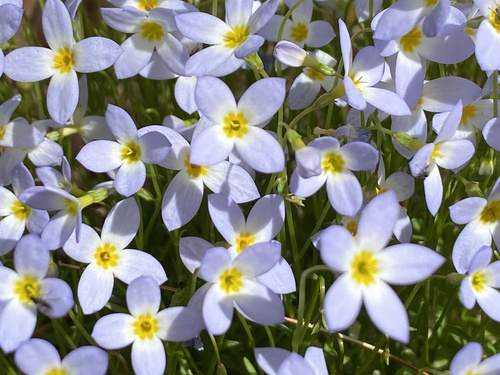
Virginia, US
Puedes ver Azure Bluet, Allegheny Blackberry y Small-Flowered Buttercup.
Ver guía →
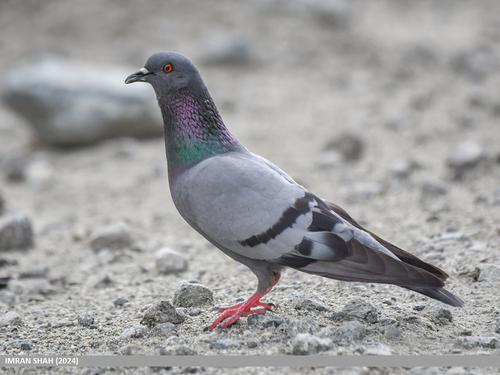
Washington, US
Puedes ver Paloma Bravía, Ardilla Gris Oriental y Gorrión Común.
Ver guía →
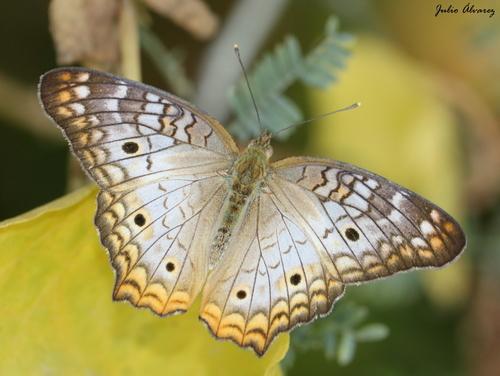
Florida, US
Puedes ver White Peacock, Trailing Daisy y Garza Azulada.
Ver guía →






_(6045310265).jpg&width=800)

.jpg&width=800)



