


Black Locust
Robinia pseudoacacia
The Black Locust tree has white flowers that smell sweet like perfume. Its bark is rough and dark, and it grows tall with strong wood that's good for building things.
Hábitat: Forests
The Black Locust is a fast-growing tree with rough, deeply furrowed, dark gray-brown bark. It has thorny twigs and long, compound leaves with many small, oval leaflets. In late spring, it produces drooping clusters of fragrant, pea-like white flowers.
Categoría
ÁrbolesRareza
Common
Peligro
2/5 · Bajo
Snaps
¡Sé la primera persona en hacer un snap!
Believe it or not, this tree is actually related to garden peas and beans!
Black Locust flowers smell wonderfully sweet, attracting bees to make delicious honey!
Its wood is incredibly dense, making it North America's hardest and most durable!
This tree can sprout new trees from its roots, forming entire groves!
Black Locust enriches poor soil; it has root bumps with bacteria that create nitrogen, a vital plant food!
Black Locust has sharp thorns on its branches, helping defend against animals trying to eat its leaves or bark.
Black Locust grows in disturbed areas, like old fields, because it easily sprouts from roots and spreads quickly.
Apis mellifera
collects nectar for honey
Rhizobium leguminosarum
lives in root nodules, fixing nitrogen
Megacyllene robiniae
larvae tunnel into its wood

Phyllonorycter robiniella
larvae feed on its leaves
Las plantas caducifolias pierden periódicamente todas sus hojas, por lo general durante el otoño o las estaciones secas.
Describe a los organismos capaces de convertir el nitrógeno atmosférico en compuestos utilizables por las plantas.
Las plantas tolerantes a la sombra están adaptadas para crecer y prosperar en áreas con bajos niveles de luz, requiriendo menos luz solar directa.
Las flores fragantes emiten un aroma agradable, a menudo para atraer polinizadores o como defensa.

Los árboles de hoja ancha son angiospermas caracterizadas por hojas planas y anchas que típicamente se caen anualmente en climas templados.

Las plantas de crecimiento rápido exhiben tasas de crecimiento aceleradas, aumentando rápidamente de tamaño y biomasa en un corto período de tiempo.

Se refiere a la madera que ha sido preparada para su uso en la construcción y la carpintería.

Los hábitats boscosos son entornos terrestres dominados por una densa cubierta arbórea, que sustentan una gran diversidad de vida animal y vegetal.

Este rasgo caracteriza a los organismos con una esperanza de vida excepcionalmente larga en comparación con otros de su especie.
Peligro
2/5 · Bajo
Enjoy looking at Black Locust trees from a safe distance and avoid climbing them.
12-25 m
6-12 m
No
30-90 cm
50-100 años
Forests
Legume pod
Rápido
Acércate para separar los grupos y explorar dónde se ha fotografiado este objeto.
Los snaps recientes aparecerán aquí a medida que se añadan nuevas observaciones.
.jpg)
Maryland, US
Puedes ver Ciervo De Cola Blanca, Japanese Knotweed y Mariquita Asiática.
Ver guía →
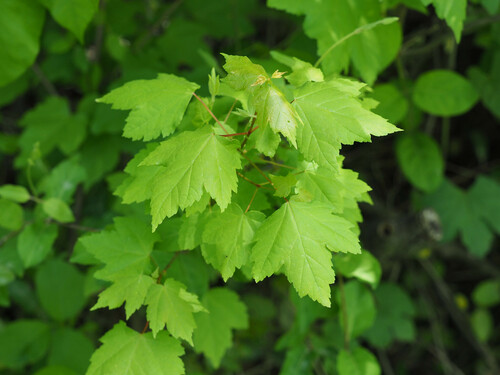
New York, US
Puedes ver Arce Rojo, Black Tupelo y Sensitive Fern.
Ver guía →
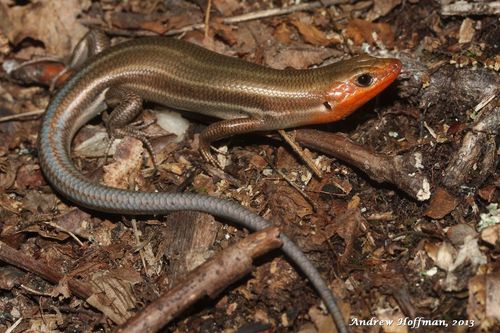
Virginia, US
Puedes ver Common Five-Lined Skink y Tortuga De Caja Oriental.
Ver guía →
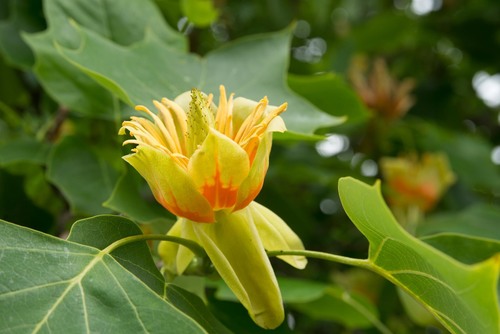
Virginia, US
Puedes ver American Tuliptree, Gorrión Común y Common Eastern Bumble Bee.
Ver guía →
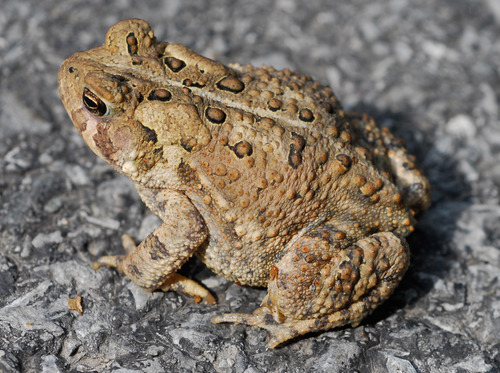
Virginia, US
Puedes ver Sapo Americano, Tortuga De Caja Oriental y Petirrojo Americano.
Ver guía →

British Columbia, CA
Puedes ver Oregon Grape, Common Snowberry y Black Locust.
Ver guía →