
.jpg&width=800)





Black Swan
Cygnus atratus
The Black Swan is a beautiful bird with shiny black feathers and a bright red beak. They are graceful swimmers and can often be seen gliding on lakes and rivers.
Hábitat: Wetlands
The Black Swan is an unmistakable bird with entirely black plumage, except for bright white flight feathers visible during flight. It has a striking deep-red bill with a pale band and a famously long, elegant, curved neck, making it visually distinct from other swan species.
Categoría
AvesRareza
Common
Peligro
3/5 · Moderado
Snaps
¡Sé la primera persona en hacer un snap!
A group of swans is called a 'bevy' in flight, but a 'lamentation' on the ground!
Baby black swans, called cygnets, are born covered in fluffy grey down!
Black Swans use their feet to stir up mud, uncovering tasty plants to eat!
Unlike most swans, Black Swans build large, floating nests in shallow water!
Black Swan can reach deep underwater plants because of its extra-long neck that helps them graze submerged vegetation.
Black Swan has a loud, bugling call that helps them communicate with other swans across vast stretches of water.
Black Swan has oily, waterproof feathers that help them stay dry and warm while swimming and diving in cold water.
Black Swan can fly long distances because of its powerful wings that help them find new wetlands.
These elegant birds are vegetarians, mostly eating yummy underwater plants and seeds.
Vulpes vulpes
Foxes prey on Black Swan eggs and cygnets.
Aquila audax
Eagles can prey on young Black Swan cygnets.
Typha latifolia
Swans use cattails for nesting material and cover.
Potamogeton crispus
A common aquatic plant that Black Swans feed on.
Describe a los animales, principalmente aves, que poseen una cubierta de plumas.
Se caracteriza por tener los dedos conectados por una membrana, lo que generalmente ayuda a nadar.
Los animales sociales viven en grupos organizados, cooperando para obtener beneficios de supervivencia como la búsqueda de alimento, la defensa y la cría de descendencia.
Los filtradores obtienen nutrientes filtrando partículas de alimentos suspendidos y pequeños organismos del agua.

Este rasgo caracteriza a los organismos cuya dieta consiste total o principalmente en material vegetal.

Este rasgo de hábitat identifica especies que se encuentran en humedales, que son áreas de tierra saturadas de agua, ya sea permanente o estacionalmente, e incluyen marismas, pantanos y ciénagas.

Este rasgo caracteriza a los organismos con una esperanza de vida excepcionalmente larga en comparación con otros de su especie.

Los animales diurnos están activos principalmente durante el día y suelen descansar o dormir por la noche.

El estado de protección significa que una especie o área está salvaguardada por medidas legales y esfuerzos de conservación para evitar daños o pérdidas.
Todavía no hay alias listados.
Peligro
3/5 · Moderado
Always watch swans from a distance and don’t feed them, as they can be protective.
110-140 cm
160-200 cm
3.7-8.7 kg
10-20 años
60 km/h
These elegant birds are vegetarians, mostly eating yummy underwater plants and seeds.
Wetlands
Foraging
Acércate para separar los grupos y explorar dónde se ha fotografiado este objeto.
Los snaps recientes aparecerán aquí a medida que se añadan nuevas observaciones.

North Dakota, US
Puedes ver Zorro Rojo, Lobo Gris y Equus Africanus Asinus.
Ver guía →

Missouri, US
Puedes ver Ovejas, Jirafas y Tigre.
Ver guía →

California, US
Puedes ver León Africano, Jirafas y Oso Polar.
Ver guía →
New York, US
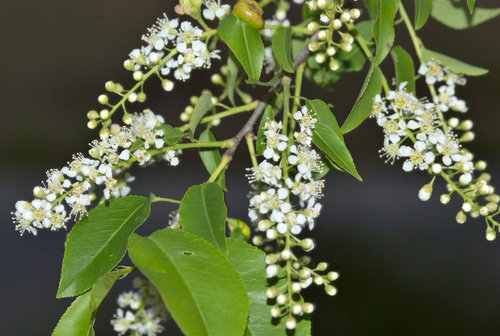
Puedes ver Cerezo Negro y Allegheny Mountain Dusky Salamander.
Ver guía →

England, UK
Puedes ver Black Swan, Alder Leaf Beetle y Anémona De Bosque.
Ver guía →
South Carolina, US
Puedes ver León Africano, Jirafas y Ocelote.
Ver guía →













