Black-tailed Bumble Bee
Bombus melanopygus
The Black-tailed Bumble Bee is a fuzzy, friendly insect that helps flowers grow by spreading pollen. They are often seen buzzing around gardens and parks, making them a delightful sight!
Hábitat: Urban areas
The Black-tailed Bumble Bee is a medium-sized bee with a fuzzy, rounded body. It typically has two yellow bands on its thorax and a yellow band on its first abdominal segment. The rest of its abdomen is primarily black, often with reddish-orange hairs at the very tip, giving it its 'black-tailed' appearance.
Categoría
InsectosRareza
Common
Peligro
2/5 · Bajo
Snaps
¡Sé la primera persona en hacer un snap!
A queen bee lays all the eggs, starting a new colony each year!
Bumble bees can fly in temperatures too cold for most other insects!
They have a super-sense for electric fields, helping them find flowers!
They use their sticky feet to climb and hold onto flowers!
Black-tailed Bumble Bee can vibrate its powerful flight muscles to shake pollen loose from flowers, helping them spread seeds.
Black-tailed Bumble Bee can shiver its muscles to warm up its body, letting it fly in colder temperatures than many other insects.
Black-tailed Bumble Bee can remember the best flower patches and quickly find its way back to its nest using landmarks.
These busy bees sip sweet nectar for energy and gather pollen for their babies.

Lupinus arcticus
Collects nectar and pollen, aiding plant reproduction.
Misumena vatia
Ambush predator camouflaged in flowers, preying on bees.
Physocephala rufipes
Lays eggs on bees; larvae develop inside the bumble bee.
Peludo describe a los animales que poseen una cubierta densa de pelo o pelaje suave.
Los animales sociales viven en grupos organizados, cooperando para obtener beneficios de supervivencia como la búsqueda de alimento, la defensa y la cría de descendencia.
Este rasgo caracteriza a los organismos cuya dieta consiste total o principalmente en material vegetal.
Describe plantas que son particularmente atractivas y beneficiosas para una amplia variedad de organismos polinizadores.

Los animales diurnos están activos principalmente durante el día y suelen descansar o dormir por la noche.

Describe una especie cuya presencia y papel tienen un efecto desproporcionadamente grande en su entorno.

Esta característica de hábitat indica especies que pueden coexistir con los humanos en entornos urbanos y suburbanos, utilizando estructuras artificiales y espacios verdes.

Describe organismos que transfieren polen, permitiendo la fertilización y reproducción de las plantas.
Todavía no hay alias listados.
Peligro
2/5 · Bajo
Don't touch bees; just watch them from a distance. They are usually friendly!
20-38 mm
10-19 mm
14-365 días
18 km/h
These busy bees sip sweet nectar for energy and gather pollen for their babies.
Urban areas
Foraging
6
Acércate para separar los grupos y explorar dónde se ha fotografiado este objeto.
Los snaps recientes aparecerán aquí a medida que se añadan nuevas observaciones.

British Columbia, CA
Puedes ver American Dipper, Salmón Rojo y Pato.
Ver guía →

California, US
Puedes ver Plume Albizia, White-Crowned Sparrow y Busardo Colirrojo.
Ver guía →
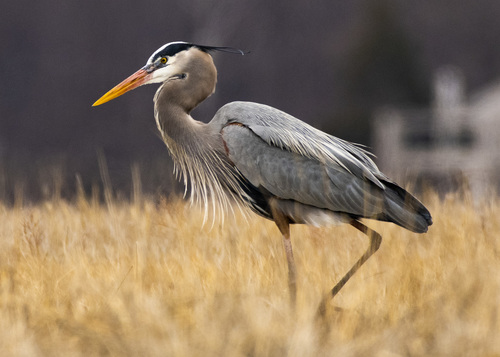
California, US
Puedes ver Garza Azulada, Black-Crowned Night Heron y Garcita Verde.
Ver guía →
.jpg)
British Columbia, CA
Puedes ver Pacific Madrone, Shortspur Seablush y Cascade Oregon-Grape.
Ver guía →
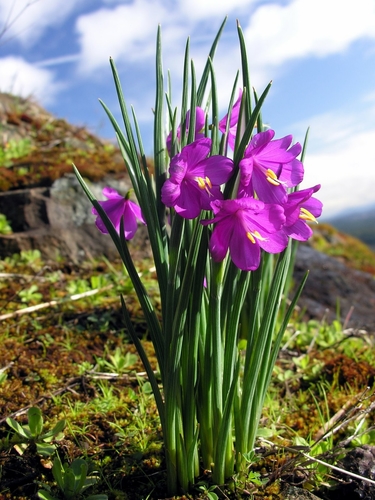
British Columbia, CA
Puedes ver Grasswidow, Broad-Leaved Stonecrop y Rustyhair Saxifrage.
Ver guía →








.jpg&width=800)