





Blaesodiplosis
Blaesodiplosis
Blaesodiplosis es un insecto diminuto al que le encanta vivir en las plantas. Son muy pequeños y pueden ser difíciles de ver, pero desempeñan un papel importante en la naturaleza al ayudar a las plantas a crecer.
Hábitat: Bosques
La Blaesodiplosis es una mosca muy pequeña y delicada con una apariencia similar a la de un mosquito. Típicamente tiene un cuerpo esbelto con patas largas y delgadas y alas translúcidas, a menudo peludas. Su coloración suele ser apagada, variando del marrón pálido a tonos rojizos o amarillentos, lo que la hace mimetizarse con su entorno.
Categoría
InsectosRareza
Common
Peligro
1/5 · Muy bajo
Snaps
¡Sé la primera persona en hacer un snap!
Aunque parecen mosquitos diminutos, no pican a humanos ni a animales.
Las cecidomias son una de las familias de moscas más diversas, ¡con miles de especies!
Las agallas que crean pueden ser pequeñas protuberancias o estructuras elaboradas y coloridas en las hojas.
¡Sus larvas engañan a las plantas para que les construyan un hogar acogedor y lleno de comida llamado agalla!
Las larvas de Blaesodiplosis pueden manipular el crecimiento de las plantas para crear un hogar protector y rico en alimento llamado agalla porque inyectan sustancias químicas que alteran el crecimiento.
Las larvas de Blaesodiplosis tienen piezas bucales especializadas que les ayudan a alimentarse exclusivamente de los nutritivos tejidos internos de sus agallas vegetales.
Los adultos de Blaesodiplosis pueden identificar plantas hospedadoras muy específicas para poner huevos porque usan sus antenas para detectar sustancias químicas vegetales únicas.
Las larvas de Blaesodiplosis comen tejido vegetal dentro de las agallas protectoras que crean.
Diferencias por edad: Los adultos pueden consumir néctar o mielato, pero las larvas se alimentan exclusivamente de tejidos vegetales específicos.
Fraxinus americana
Especies específicas de Blaesodiplosis inducen agallas en sus hojas para refugio y alimento.
Rhamnus cathartica
Algunas especies de mosquitas forman agallas distintivas en su follaje para el desarrollo larvario.
Phidippus audax
Las arañas saltarinas son depredadores generalistas que pueden consumir mosquitas adultas.
Los animales solitarios viven solos durante la mayor parte de su vida y solo interactúan con otros para aparearse o cuidar de sus crías.
Este rasgo caracteriza a los organismos cuya dieta consiste total o principalmente en material vegetal.
Describe una relación entre dos especies diferentes en la que viven estrechamente asociadas, a menudo beneficiando a una o a ambas.
Los hábitats boscosos son entornos terrestres dominados por una densa cubierta arbórea, que sustentan una gran diversidad de vida animal y vegetal.

Los animales diurnos están activos principalmente durante el día y suelen descansar o dormir por la noche.

Describe una especie cuya presencia y papel tienen un efecto desproporcionadamente grande en su entorno.

Relativo a especies que son significativamente más pequeñas que lo típico o promedio de su tipo.

Describe organismos que transfieren polen, permitiendo la fertilización y reproducción de las plantas.
Todavía no hay alias listados.
Peligro
1/5 · Muy bajo
Estos insectos no son dañinos, pero es mejor observarlos y no tocarlos.
La forma más fácil de identificar a Blaesodiplosis es usar la aplicación de identificación de naturaleza Snappit.
2-6 mm
1-3 mm
5-15 días
Las larvas de Blaesodiplosis comen tejido vegetal dentro de las agallas protectoras que crean.
Bosques
6
Acércate para separar los grupos y explorar dónde se ha fotografiado este objeto.
Los snaps recientes aparecerán aquí a medida que se añadan nuevas observaciones.
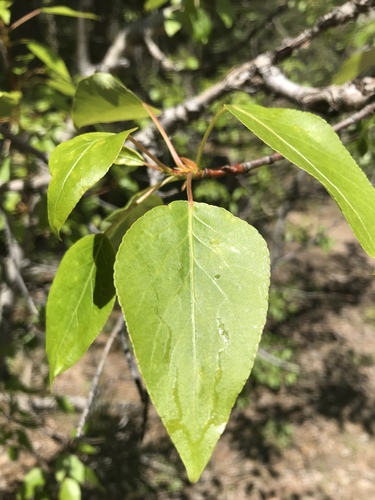
British Columbia, CA
Puedes ver álamo Negro, Uva De Oregón y Algodoncillo Vistoso.
Ver guía →
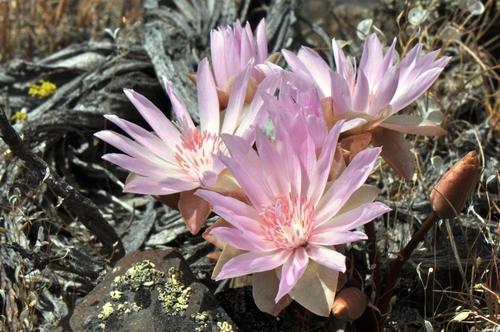
British Columbia, CA
Puedes ver Raíz Amarga y Raíz De Bálsamo De Hoja De Flecha.
Ver guía →

British Columbia, CA
Puedes ver Reina De Los Prados De Hoja Brillante.
Ver guía →

British Columbia, CA
Puedes ver Elfa Marrón, Gayuba y álamo Negro.
Ver guía →
Llévate el descubrimiento
Haz una foto con Snappit, identifica la especie y guarda el hallazgo en tu colección.







.jpg&width=800)


