blue elder
Sambucus cerulea
The blue elder is a lovely shrub with beautiful blue berries. It grows in sunny places and is a favorite among birds and other wildlife. The flowers are pretty and attract many pollinators!
Hábitat: Sunny areas and open woods
The blue elder is a large shrub or small tree distinguished by its powdery, sky-blue berries, which grow in large, flat-topped clusters. Its creamy-white flowers also form impressive flat-topped sprays. Unlike many berries, its unique glaucous coating gives it a distinctly hazy blue hue.
Categoría
PlantasRareza
Common
Peligro
2/5 · Bajo
Snaps
¡Sé la primera persona en hacer un snap!
Blue elder's flowers were once used to make a refreshing, bubbly cordial drink!
Indigenous peoples historically crafted musical flutes from its hollow stems!
Its scientific name 'cerulea' literally means sky-blue, perfectly describing its berries!
The mysterious white powder on its blue berries is called a 'bloom'!
Blue elder's berries have a white powdery coating protecting them from sun and moisture loss.
Blue elder can quickly regrow from its root crown even after severe wildfires, helping it survive.
Blue elder has hollow stems that offer perfect shelter for many small insects to live inside.
Bombus vosnesenskii
collects nectar and pollen, aiding plant reproduction.
Ursus americanus
eats the ripe, nutrient-rich blue berries.
Turdus migratorius
enjoys snacking on the plant's abundant blue berries.
Formica rufa
uses the hollow stems as nesting sites.
Spodoptera exigua
larvae feed on the leaves and flowers.
Las plantas caducifolias pierden periódicamente todas sus hojas, por lo general durante el otoño o las estaciones secas.
Las plantas con flores son cualquier planta que produce flores como parte de su ciclo reproductivo.
Un arbusto es una planta leñosa más pequeña que un árbol, típicamente con múltiples tallos que se ramifican desde o cerca del suelo.
Las flores fragantes emiten un aroma agradable, a menudo para atraer polinizadores o como defensa.

Las plantas frutales producen frutos, que son los ovarios maduros de las plantas con flores que contienen semillas.

Las plantas comestibles son aquellas partes de una planta que se consideran seguras para el consumo humano.

Describe plantas que son particularmente atractivas y beneficiosas para una amplia variedad de organismos polinizadores.

Los hábitats boscosos son entornos terrestres dominados por una densa cubierta arbórea, que sustentan una gran diversidad de vida animal y vegetal.
Peligro
2/5 · Bajo
Do not eat the berries raw, as they can make you feel sick. Always ask an adult before trying new plants.
300-900 cm
200-600 cm
0.3-0.5 cm
Late spring to early summer
Sí
Leve
Perenne
Insectos
Acércate para separar los grupos y explorar dónde se ha fotografiado este objeto.
Los snaps recientes aparecerán aquí a medida que se añadan nuevas observaciones.

California, US
Puedes ver Pato, American Coot y Barnacla Canadiense.
Ver guía →

California, US
Puedes ver California Wild Rose, California Wild Grape y Blue Elder.
Ver guía →
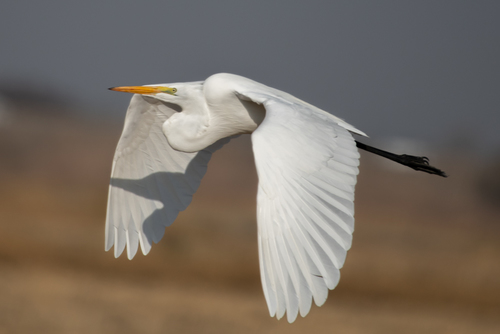
California, US
Puedes ver Great Egret, Pato y Garza Azulada.
Ver guía →