Blue Forget-Me-Not
myosotis stricta
The Blue Forget-Me-Not is a small, charming flower with bright blue petals that look like tiny stars. These flowers often grow in clusters and can bring a splash of color to gardens and meadows!
Hábitat: Blue Forget-Me-Nots thrive in moist, grassy areas, often found in meadows, along streams, and in gardens.
The Blue Forget-Me-Not has tiny, true-blue, five-petaled flowers, each with a bright yellow or white eye in the center. These delicate, star-shaped blooms grow in small clusters on slender stems, making them easily recognizable.
Categoría
PlantasRareza
Common
Peligro
0/5 · Sin peligro conocido
Snaps
¡Sé la primera persona en hacer un snap!
In some cultures, receiving Forget-Me-Nots is a sweet symbol of everlasting loyalty.
One Forget-Me-Not plant can produce hundreds of microscopic seeds in a single season!
The name 'Forget-Me-Not' comes from an old legend about a knight who picked flowers for his love.
These tiny flowers were once ground into a powder and used as a blue dye for fabrics.
Blue Forget-Me-Not has tiny, hooked seeds that cling to fur and clothes, helping it spread to new places.
Blue Forget-Me-Not can quickly drop many seeds, ensuring new plants pop up year after year.
Blue Forget-Me-Not grows low to the ground, which helps it avoid strong winds and stay moist.
Apis mellifera
Visits flowers for nectar.
Bombus terrestris
Feeds on nectar and pollen.

Helix aspersa
Grazes on leaves and stems.
Colorido describe a organismos u objetos que exhiben una amplia variedad de colores brillantes y distintivos.
Este rasgo caracteriza a los organismos cuya dieta consiste total o principalmente en material vegetal.
Los hábitats de pastizales son biomas terrestres dominados por pastos y plantas herbáceas, que sustentan a una variedad de animales de pastoreo.
Los hábitats boscosos son entornos terrestres dominados por una densa cubierta arbórea, que sustentan una gran diversidad de vida animal y vegetal.

Describe organismos que transfieren polen, permitiendo la fertilización y reproducción de las plantas.
Peligro
0/5 · Sin peligro conocido
Todavía no hay notas especiales de seguridad.
10-30 cm
10-20 cm
0.3-0.8 cm
Spring to early summer
No
Ninguna
Anual
Insectos
Acércate para separar los grupos y explorar dónde se ha fotografiado este objeto.
Los snaps recientes aparecerán aquí a medida que se añadan nuevas observaciones.
New York, US
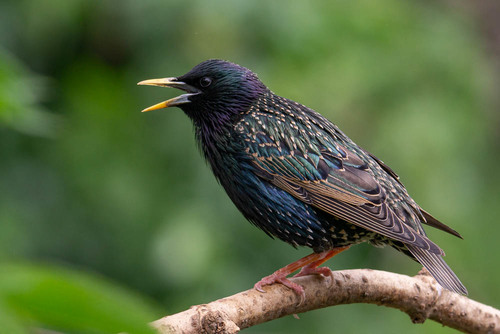
Puedes ver Estornino Europeo, Henbit Deadnettle y Red Deadnettle.
Ver guía →

Pennsylvania, US
Puedes ver New York Fern, Common Milkweed y True Sedges.
Ver guía →
British Columbia, CA
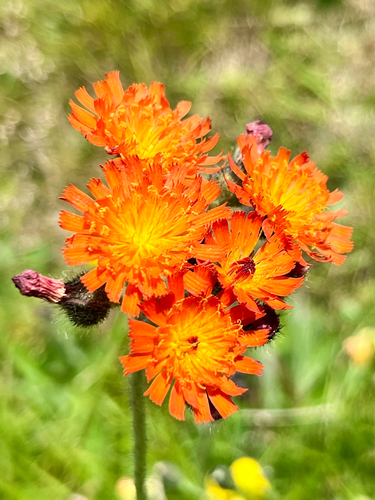
Puedes ver Orange Hawkweed, Shinyleaf Meadowsweet y Columbia Lily.
Ver guía →
.jpg)
Washington, US
Puedes ver Cuervo Americano, Redstem Stork's-Bill y Junco Ojioscuro.
Ver guía →
.jpg)
British Columbia, CA
Puedes ver Oregon Grape, Heartleaf Arnica y Solomon's Plume.
Ver guía →




.jpg&width=800)