






Boat-billed Heron
Cochlearius cochlearius
The Boat-billed Heron is a unique bird with a big, flat bill that looks like a boat! They are often found resting quietly near water, waiting to catch fish and frogs.
Hábitat: Wetlands
The Boat-billed Heron has a distinctive, broad, and flat black bill resembling a boat's hull. Its head is topped with a shaggy black cap, contrasting with a white forehead and a greyish body. Chestnut-colored flanks add a touch of warm color to its otherwise muted plumage.
Categoría
AvesRareza
Common
Peligro
1/5 · Muy bajo
Snaps
¡Sé la primera persona en hacer un snap!
Baby boat-bills have a normal heron bill, changing as they grow!
Boat-billed herons are more closely related to night-herons than typical herons!
Their deep calls sound like frogs or barking dogs at night!
They often nest in groups, sometimes with other water birds!
Boat-billed Herons can scoop up prey from shallow water because their unique, wide bill acts like a net, trapping food.
Boat-billed Herons have large eyes adapted for low light, which helps them see clearly and hunt effectively in the dark.
Boat-billed Herons have grey and black plumage that helps them blend perfectly into shadowy wetland environments, allowing them to surprise prey.
These nocturnal hunters primarily use their special bill to scoop up fish, insects, and frogs!
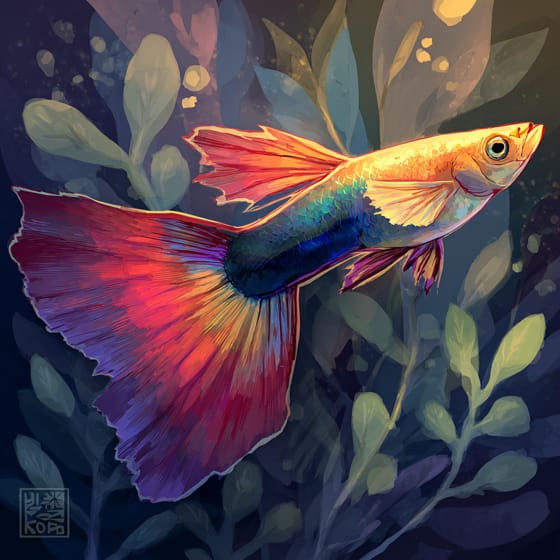
Poecilia reticulata
A small fish often hunted by herons.
Lithobates catesbeianus
Adults and tadpoles are prey in wetland habitats.
Caiman crocodilus
Preys on heron eggs and chicks in nesting colonies.

Rhizophora mangle
Provides safe nesting and roosting sites above water.
Describe a los animales, principalmente aves, que poseen una cubierta de plumas.
Los animales solitarios viven solos durante la mayor parte de su vida y solo interactúan con otros para aparearse o cuidar de sus crías.
El camuflaje describe a los organismos que poseen colores o patrones que les permiten mezclarse con su entorno.
Los organismos piscívoros son animales que subsisten principalmente de una dieta a base de peces.

Un depredador de emboscada caza esperando pacientemente y ocultándose, para luego lanzar un ataque repentino cuando una presa desprevenida se pone a su alcance.

Este rasgo de hábitat identifica especies que se encuentran en humedales, que son áreas de tierra saturadas de agua, ya sea permanente o estacionalmente, e incluyen marismas, pantanos y ciénagas.

Los animales nocturnos están principalmente activos durante la noche, y suelen descansar o dormir durante el día.

El estado de peligro de extinción indica que una especie corre un riesgo muy alto de extinguirse en estado silvestre en un futuro próximo.
Todavía no hay alias listados.
Peligro
1/5 · Muy bajo
Always watch birds from a distance so they feel safe and can fly away.
45-55 cm
76-80 cm
0.5-0.6 kg
10-12 años
35 km/h
These nocturnal hunters primarily use their special bill to scoop up fish, insects, and frogs!
Wetlands
Ambush
Acércate para separar los grupos y explorar dónde se ha fotografiado este objeto.
Los snaps recientes aparecerán aquí a medida que se añadan nuevas observaciones.

















