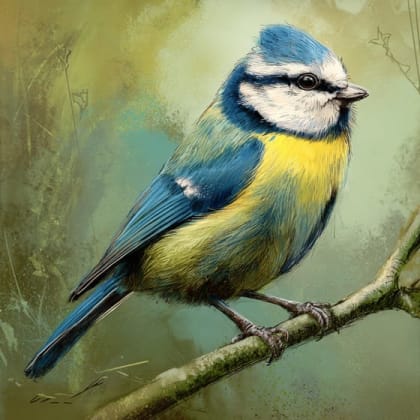
Boreal Chickadee
Poecile hudsonicus
The Boreal Chickadee is a small, cheerful bird with a black cap and a soft brown body. They love to flit around in trees and are often found in northern forests, singing sweet songs.
Hábitat: Forests
The Boreal Chickadee has a distinct brown cap on its head and reddish-brown flanks, setting it apart from other chickadees. Its back is grey, and its cheeks are a clear white, creating a neat contrast with its darker cap.
Categoría
AvesRareza
Common
Peligro
1/5 · Muy bajo
Snaps
¡Sé la primera persona en hacer un snap!
Boreal Chickadees often mate for life and stay together year-round!
Their fluffy feathers make them look bigger to trick predators!
They sometimes eat snow instead of flying to find water in winter!
They use specific alarm calls to warn others about different types of danger!
Boreal Chickadee can lower its body temperature at night, a trick called torpor, that helps them survive freezing boreal winters.
Boreal Chickadees can hide thousands of seeds and insects, a skill that helps them find food when supplies are scarce.
Boreal Chickadees have strong feet and legs that help them cling upside down to branches while searching for tiny insects.
Boreal Chickadees can dig out nesting holes in soft, rotting wood that helps them create safe nurseries for their chicks.
These tiny birds feast on insects, spiders, and conifer seeds, especially during the cold winter months!

Accipiter striatus
A swift forest predator that actively hunts small birds like chickadees.
Picea mariana
Relies on its cones for seeds and its dense branches for winter shelter.
Choristoneura fumiferana
Consumes larvae and pupae of this moth, helping to control its populations.
Mustela erminea
A cunning small mammal that can hunt birds even in their tree cavities.
Describe a los animales, principalmente aves, que poseen una cubierta de plumas.
Los animales sociales viven en grupos organizados, cooperando para obtener beneficios de supervivencia como la búsqueda de alimento, la defensa y la cría de descendencia.
Los animales cantores producen vocalizaciones complejas, a menudo con el propósito de atraer parejas, defender el territorio o comunicarse dentro de su especie.
Este rasgo identifica organismos cuya dieta incluye tanto materia vegetal como animal.

Los animales arborícolas viven principalmente en los árboles, utilizándolos como refugio, alimento y protección contra los depredadores.

Los hábitats boscosos son entornos terrestres dominados por una densa cubierta arbórea, que sustentan una gran diversidad de vida animal y vegetal.

Los animales diurnos están activos principalmente durante el día y suelen descansar o dormir por la noche.
Todavía no hay alias listados.
Peligro
1/5 · Muy bajo
Enjoy watching birds from a distance and don't try to touch them.
12.5-14 cm
19-22 cm
0.009-0.012 kg
2-5 años
55 km/h
These tiny birds feast on insects, spiders, and conifer seeds, especially during the cold winter months!
Forests
Foraging
Acércate para separar los grupos y explorar dónde se ha fotografiado este objeto.
Los snaps recientes aparecerán aquí a medida que se añadan nuevas observaciones.









.jpg&width=800)