


brambles
Rubus
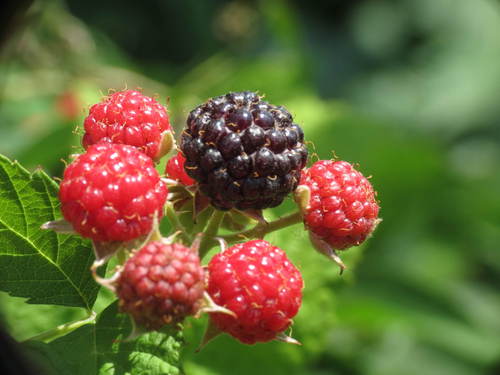
Brambles are thorny bushes that grow wild in many places. They produce delicious berries that many animals and people love to eat!
Hábitat: Urban areas
The brambles has long, arching stems covered in sharp thorns and compound leaves with serrated edges. Its delicate white or pale pink flowers develop into clusters of dark, juicy berries, making it distinct from smooth-stemmed plants.
Categoría
PlantasRareza
Common
Peligro
2/5 · Bajo
Snaps
¡Sé la primera persona en hacer un snap!
Ancient people used bramble leaves and roots for traditional medicines, even to treat cuts!
Blackberries are not true berries; they are 'aggregate fruits' made of many tiny drupelets!
Bramble thickets create perfect, safe homes for small birds and mammals to hide from predators.
One bramble plant can live for many years, producing delicious fruit season after season!
Brambles have sharp, hooked thorns that helps it defend against hungry animals trying to eat its leaves and berries.
Brambles can grow long shoots that root when they touch the ground, helping it quickly colonize new areas.
Brambles produce sweet, edible berries packed with seeds, which helps it reproduce by enticing animals to spread them.
Apis mellifera
Collects nectar and pollen from bramble flowers.
Turdus merula
Feeds on ripe bramble berries, aiding seed dispersal.
Ursus americanus
Consumes large quantities of energy-rich bramble fruit.
Sylvia atricapilla
Builds nests and finds cover within dense bramble thickets.
Las plantas caducifolias pierden periódicamente todas sus hojas, por lo general durante el otoño o las estaciones secas.
Las plantas con flores son cualquier planta que produce flores como parte de su ciclo reproductivo.
Un arbusto es una planta leñosa más pequeña que un árbol, típicamente con múltiples tallos que se ramifican desde o cerca del suelo.
Las plantas frutales producen frutos, que son los ovarios maduros de las plantas con flores que contienen semillas.

Las plantas comestibles son aquellas partes de una planta que se consideran seguras para el consumo humano.

Describe plantas que son particularmente atractivas y beneficiosas para una amplia variedad de organismos polinizadores.

Posee proyecciones puntiagudas y afiladas o espinas en el cuerpo o en la superficie.

Esta característica de hábitat indica especies que pueden coexistir con los humanos en entornos urbanos y suburbanos, utilizando estructuras artificiales y espacios verdes.
Peligro
2/5 · Bajo
Be careful of the thorns when exploring brambles; they can scratch you!
100-300 cm
100-500 cm
1-3 cm
Late spring to mid-summer
Sí
Ninguna
Perenne
Insectos
Acércate para separar los grupos y explorar dónde se ha fotografiado este objeto.
Los snaps recientes aparecerán aquí a medida que se añadan nuevas observaciones.
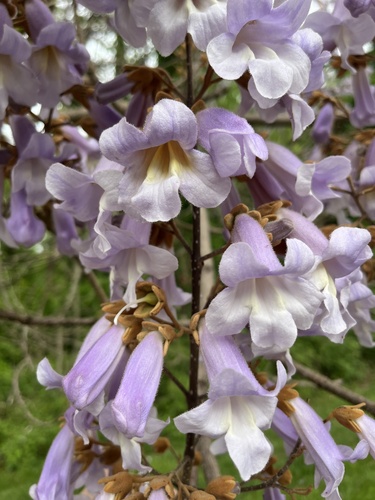
Pennsylvania, US
Puedes ver Paulownia, Mariquita Asiática y Spotted Lanternfly.
Ver guía →

Washington, US
Puedes ver Paloma Bravía, Cuervo Americano y Cornejo.
Ver guía →
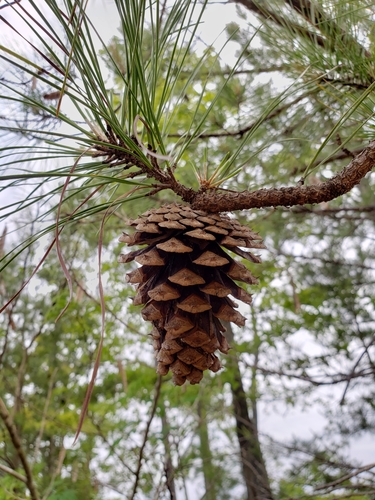
Virginia, US
Puedes ver Loblolly Pine, Fox Grape y Sensitive Fern.
Ver guía →
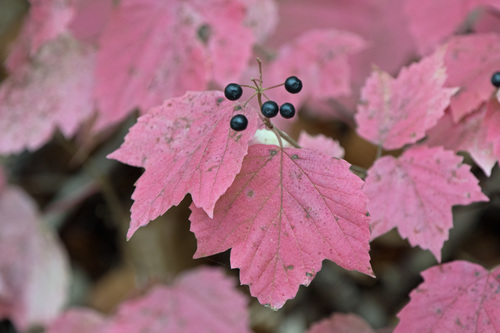
Virginia, US
Puedes ver Mapleleaf Viburnum, Japanese Holly y Common Bonnet.
Ver guía →
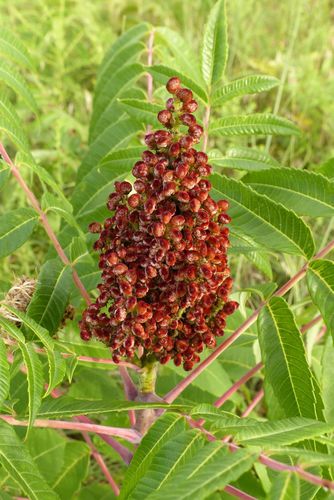
Massachusetts, US
Puedes ver Smooth Sumac, Brambles y Evening Primrose Family.
Ver guía →
Virginia, US
Puedes ver Brambles, Cercis Canadensis y American Pokeweed.
Ver guía →