


Brittle Pricklypear
Opuntia fragilis
The Brittle Pricklypear is a small cactus that loves sunny places! It has flat pads and pretty yellow flowers that bloom in the spring. This cactus can grow in rocky areas and is very special because it can survive in tough conditions.
Hábitat: Desert
The Brittle Pricklypear has small, flattened, oval-shaped pads that form low, sprawling clumps, often tinged with purple in cool weather. It displays vibrant yellow, sometimes orange, cup-shaped flowers. Its pads are noticeably smaller and more fragile than other pricklypear cacti.
Categoría
PlantasRareza
Common
Peligro
2/5 · Bajo
Snaps
¡Sé la primera persona en hacer un snap!
Despite its name, its fruit (a 'tuna') is sweet and juicy when ripe!
If a pad breaks off, it can roll in the wind to a new spot and grow roots!
It holds the record as the cactus found farthest north in Canada!
Its name 'brittle' comes from how easily its pads break off with just a touch!
Brittle Pricklypear has pads that easily detach, allowing them to root and grow new plants quickly, spreading its territory.
This cactus can store lots of water in its thick, succulent pads, helping it survive long periods without rain.
It has tiny, hair-like spines called glochids that easily embed in skin, making it unpleasant for predators to eat.
Brittle Pricklypear is one of the most cold-hardy cacti, able to survive freezing temperatures in northern climates.
Apis mellifera
Visits bright yellow flowers for nectar.
Bombus impatiens
Busy collecting pollen from its blooms.
Odocoileus virginianus
Deer browse its pads, despite the spines.
Peromyscus maniculatus
Eats its small, sweet fruits and sometimes pads.
Las plantas con flores son cualquier planta que produce flores como parte de su ciclo reproductivo.
Las plantas de floración primaveral producen sus flores durante la temporada de primavera, lo que a menudo significa el final del invierno y el comienzo de un nuevo crecimiento.
Las plantas suculentas tienen partes engrosadas y carnosas, generalmente hojas o tallos, adaptadas para almacenar agua en climas áridos.
Las plantas tolerantes a la sequía pueden sobrevivir y florecer en condiciones de escasa disponibilidad de agua.

Las plantas comestibles son aquellas partes de una planta que se consideran seguras para el consumo humano.

Describe plantas que son particularmente atractivas y beneficiosas para una amplia variedad de organismos polinizadores.

Los hábitats desérticos son regiones áridas caracterizadas por precipitaciones extremadamente bajas y, a menudo, temperaturas extremas, que albergan una flora y fauna especializadas.

Posee proyecciones puntiagudas y afiladas o espinas en el cuerpo o en la superficie.
Todavía no hay alias listados.
Peligro
2/5 · Bajo
Be careful around cacti! Their spines can poke you.
5-30 cm
30-150 cm
2-3 cm
Spring-summer
Sí
Leve
Perenne
Insectos
Acércate para separar los grupos y explorar dónde se ha fotografiado este objeto.
Los snaps recientes aparecerán aquí a medida que se añadan nuevas observaciones.
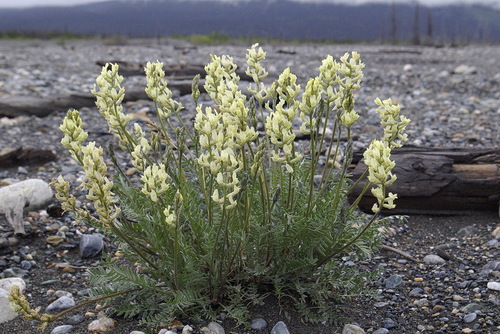
British Columbia, CA
Puedes ver Field Locoweed, Silky Lupine y Wax Currant.
Ver guía →
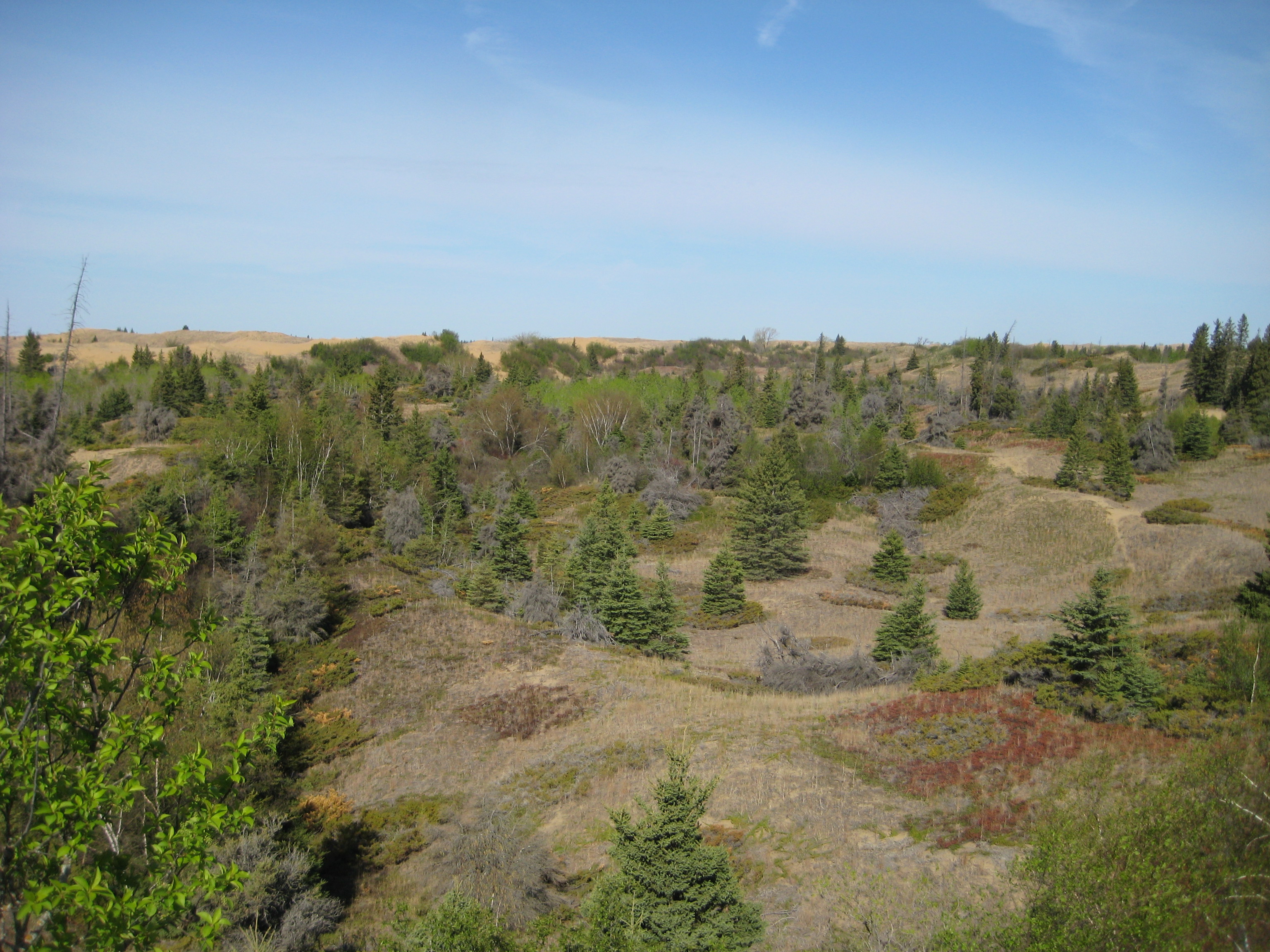
Manitoba, CA
Puedes ver Prairie Skink, Smooth Greensnake y Mariposa Almirante.
Ver guía →

South Dakota, US
Puedes ver Brittle Pricklypear, Eastern Redcedar y Common Cowparsnip.
Ver guía →
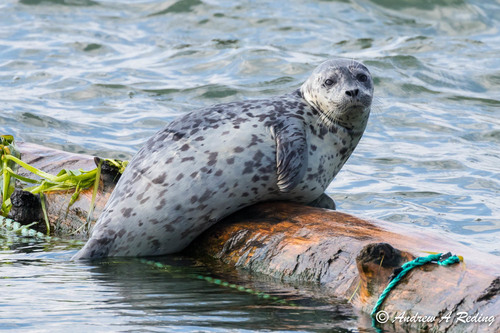
British Columbia, CA
Puedes ver Foca Común, Evergreen Huckleberry y Alumroots.
Ver guía →




_on_Mixed_Grass_Prairie_of_Lacreek_NWR_(13918328442).jpg&width=800)