






Brown Creeper
Certhia americana
The Brown Creeper is a small bird that loves to climb trees. It has a special curved beak that helps it find tiny insects hiding in the bark. You can often see it moving up tree trunks in a spiral pattern.
Hábitat: Forests
The Brown Creeper is a tiny bird with dappled brown and white plumage, resembling tree bark, making it perfectly camouflaged. It has a bright white belly and a distinctive thin, downcurved bill used for probing.
Categoría
AvesRareza
Common
Peligro
1/5 · Muy bajo
Snaps
¡Sé la primera persona en hacer un snap!
Brown Creepers can sleep hanging vertically on tree trunks!
Their tiny nests are often tucked behind a loose piece of tree bark.
They always climb up a tree, then fly to the bottom of the next to start again!
They use spider silk to help build their cozy, hidden nests.
Brown Creeper can scale tree trunks with specialized claws and stiff tail feathers that help them grip and balance.
Brown Creeper has mottled brown feathers that help them disappear against tree bark, making it hard to spot.
Brown Creeper can extract tiny insects from bark crevices with its slender, downcurved bill that acts like a miniature probe.
These tiny birds primarily eat small insects and spiders they find on tree bark.

Accipiter striatus
A swift forest hawk that hunts small birds.
Pissodes strobi
Consumes this insect and its larvae from tree bark.
Pinus strobus
Provides essential foraging habitat and nesting locations.
Argiope aurantia
Utilizes its strong silk for weaving their compact nests.
Describe a los animales, principalmente aves, que poseen una cubierta de plumas.
Los animales cantores producen vocalizaciones complejas, a menudo con el propósito de atraer parejas, defender el territorio o comunicarse dentro de su especie.
Los animales arborícolas viven principalmente en los árboles, utilizándolos como refugio, alimento y protección contra los depredadores.
El camuflaje describe a los organismos que poseen colores o patrones que les permiten mezclarse con su entorno.

Este rasgo identifica a los organismos cuya dieta consiste principalmente en insectos y otros pequeños invertebrados.

Los hábitats boscosos son entornos terrestres dominados por una densa cubierta arbórea, que sustentan una gran diversidad de vida animal y vegetal.

Los animales diurnos están activos principalmente durante el día y suelen descansar o dormir por la noche.
Todavía no hay alias listados.
Peligro
1/5 · Muy bajo
Enjoy watching birds from a distance and don't try to touch them.
11-14 cm
17-20 cm
0.005-0.009 kg
1-7 años
30 km/h
These tiny birds primarily eat small insects and spiders they find on tree bark.
Forests
Foraging
Acércate para separar los grupos y explorar dónde se ha fotografiado este objeto.
Los snaps recientes aparecerán aquí a medida que se añadan nuevas observaciones.
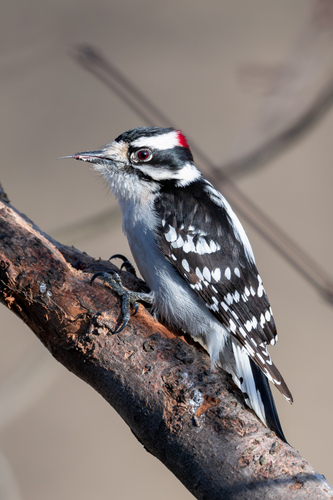
Illinois, US
Puedes ver Carpintero Peludo, Petirrojo Americano y Cuervo Americano.
Ver guía →

Quebec, CA
Puedes ver Ardilla Gris Oriental, Pato y Marmota.
Ver guía →
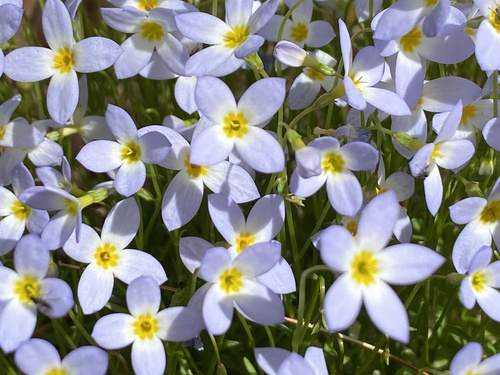
Virginia, US
Puedes ver Azure Bluet, Allegheny Blackberry y Small-Flowered Buttercup.
Ver guía →

British Columbia, CA
Puedes ver Western Sword Fern, Abeto De Douglas y Red Huckleberry.
Ver guía →













%2C_Mauritius.jpg&width=800)
