.jpg&width=800)





Bushy-tailed Woodrat
Neotoma cinerea
The Bushy-tailed Woodrat is a small, furry animal with a long, bushy tail. They love to build nests out of sticks and leaves and are great at climbing trees!
Hábitat: Forests
The Bushy-tailed Woodrat has soft, gray to brownish fur with a paler belly. Its most distinctive feature is its long, bushy tail, similar to a squirrel's but often flatter, which sets it apart from other rats.
Categoría
MamíferosRareza
Common
Peligro
2/5 · Bajo
Snaps
¡Sé la primera persona en hacer un snap!
Bushy-tailed Woodrats rarely drink water; they get all they need from the plants they eat.
Their middens can be used by scientists to study past climates for hundreds of years!
These amazing climbers can scale cliffs and trees with incredible agility to find food or shelter.
They use different types of plants to scent-mark their territory and communicate with other woodrats.
Bushy-tailed Woodrats can construct massive stick houses called middens that protect them from predators and extreme weather.
Bushy-tailed Woodrats have an instinct to collect shiny, unusual objects, which they bring back to their dens for unknown reasons.
Bushy-tailed Woodrats have large eyes that help them navigate and find food in the dark, making them expert nocturnal explorers.
These woodrats are herbivores, munching on leaves, twigs, berries, and seeds from various plants.
Bubo virginianus
A primary nocturnal predator of woodrats.
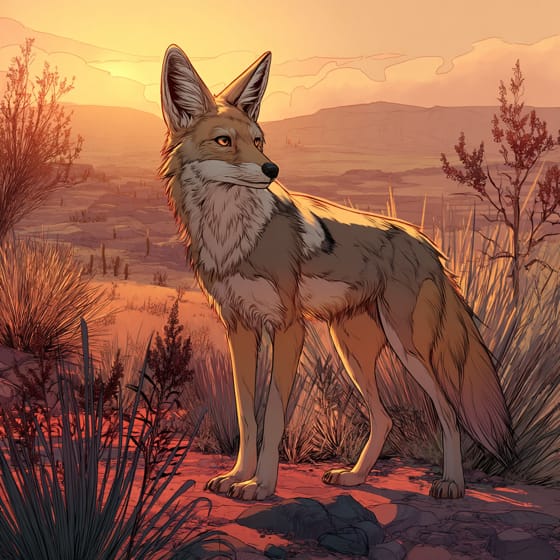
Canis latrans
Coyotes hunt woodrats in various habitats.
Pinus ponderosa
Woodrats feed on needles and seeds, and use its twigs for middens.

Crotalus viridis
Rattlesnakes may prey on young or adult woodrats.
Peludo describe a los animales que poseen una cubierta densa de pelo o pelaje suave.
Los animales sociales viven en grupos organizados, cooperando para obtener beneficios de supervivencia como la búsqueda de alimento, la defensa y la cría de descendencia.
Los animales arborícolas viven principalmente en los árboles, utilizándolos como refugio, alimento y protección contra los depredadores.
Este rasgo caracteriza a los organismos cuya dieta consiste total o principalmente en material vegetal.

Esta característica describe a los organismos que manipulan objetos externos para lograr un objetivo específico.

Los hábitats boscosos son entornos terrestres dominados por una densa cubierta arbórea, que sustentan una gran diversidad de vida animal y vegetal.

Los animales nocturnos están principalmente activos durante la noche, y suelen descansar o dormir durante el día.
Peligro
2/5 · Bajo
Do not try to catch or touch wild animals. It's best to observe them from a distance.
28-46 cm
0.2-0.6 kg
3-5 años
15 km/h
These woodrats are herbivores, munching on leaves, twigs, berries, and seeds from various plants.
Forests
Foraging
1-4
Acércate para separar los grupos y explorar dónde se ha fotografiado este objeto.
Los snaps recientes aparecerán aquí a medida que se añadan nuevas observaciones.