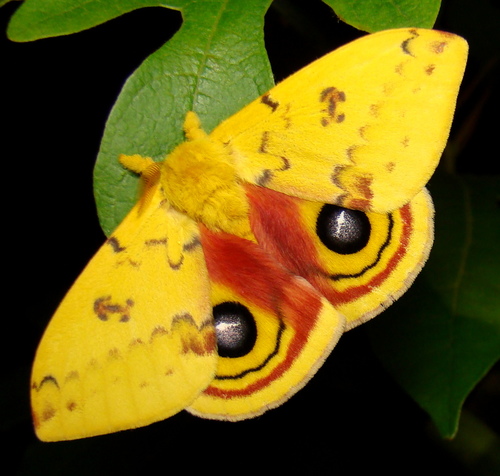


Butterflies And Moths
lepidoptera
Members of the order Lepidoptera, which encompasses all butterflies and moths, are among the most diverse and visually striking insects on Earth. Characterized by their multi-stage life cycle, they undergo a complete metamorphosis from leaf-eating larvae (caterpillars) to highly specialized, winged adults. With over one hundred and eighty thousand described species worldwide, this evolutionary lineage plays a critical role in global ecosystems as both pollinators of flowering plants and primary prey for birds, bats, and other insectivores. Their intricate wings, painted with microscopic scales, have captivated humans for centuries, representing symbols of transformation and natural beauty. From tiny micro-moths to giant silk moths, they inhabit virtually every terrestrial environment where flowering plants thrive, showcasing a remarkable array of evolutionary adaptations.
Hábitat: Found in almost every terrestrial environment worldwide, particularly where flowering plants and suitable host vegetation are abundant.
Lepidopterans are defined by two pairs of membranous wings densely covered in tiny, overlapping scales that produce intricate patterns and colors, which can be vibrantly iridescent or masterfully camouflaged. Adults typically feature a coiled, straw-like feeding tube called a proboscis, large compound eyes, and prominent antennae. Butterflies generally possess thin, club-tipped antennae and rest with their wings folded vertically, while moths typically have feathery or tapered antennae and rest with their wings spread flat. Their sizes vary dramatically, with wingspans ranging from just a few millimeters to nearly thirty centimeters.
Categoría
InsectosRareza
Common
Peligro
1/5 · Muy bajo
Snaps
¡Sé la primera persona en hacer un snap!
Butterflies possess chemical receptors on their feet, allowing them to taste plants simply by standing on them.
Some adult moth species lack mouths entirely and must survive solely on energy stored during their caterpillar stage.
The Monarch butterfly is famous for its incredible multi-generational migration across North America.
The scientific name Lepidoptera is derived from Greek words meaning scaly wings.
They undergo a dramatic four-stage life cycle, transforming from a crawling caterpillar focused entirely on growth to a pupa, and finally to a winged adult specialized for reproduction.
Microscopic scales on their wings create physical structures that reflect light to produce brilliant metallic colors or absorb light for thermoregulation and camouflage.
Many species, especially nocturnal moths, possess highly sensitive antennae capable of detecting chemical mating signals from several miles away.
Caterpillars feed voraciously on solid foliage, whereas adult butterflies and moths drink liquid flower nectar, tree sap, and rotting fruit using a specialized proboscis.
Diferencias por edad: Caterpillars possess chewing mouthparts designed to consume leaves, while adults only possess a proboscis adapted for drinking liquid foods.
Asclepias syriaca
Monarch caterpillars rely solely on milkweed plants as their host food source, absorbing toxins that render them unpalatable to predators.
Cyanocitta cristata
Birds of many species actively hunt and consume Lepidopteran larvae and adults as a primary protein source.
Lavandula angustifolia
Adult butterflies and moths act as essential pollinators for many flowering plant species while gathering nectar.
Aún no hay insignias de rasgos asignadas a este objeto.
Todavía no hay alias listados.
Las colecciones para este objeto aparecerán aquí a medida que se añadan más temas.
Peligro
1/5 · Muy bajo
Todavía no hay notas especiales de seguridad.
La forma más fácil de identificar a Butterflies And Moths es usar la aplicación de identificación de naturaleza Snappit.
1-15 cm
1-30 cm
0.00001-0.03 kg
hasta 1 años
48 km/h
Caterpillars feed voraciously on solid foliage, whereas adult butterflies and moths drink liquid flower nectar, tree sap, and rotting fruit using a specialized proboscis.
Found in almost every terrestrial environment worldwide, particularly where flowering plants and suitable host vegetation are abundant.
Acércate para separar los grupos y explorar dónde se ha fotografiado este objeto.
Los snaps recientes aparecerán aquí a medida que se añadan nuevas observaciones.














_Figures_1%E2%80%934.jpg&width=800)




