butterfly milkweed
Asclepias tuberosa
Butterfly milkweed is a bright orange flower that attracts butterflies and other pollinators. It grows in sunny places and has long, narrow leaves that look like little swords.
Hábitat: Grasslands
The butterfly milkweed has clusters of vibrant orange to yellow-orange flowers that form flat-topped domes. Unlike many other milkweeds, its stems and leaves do not produce milky sap. Its narrow, lance-shaped leaves are usually bright green.
Categoría
PlantasRareza
Common
Peligro
1/5 · Muy bajo
Snaps
¡Sé la primera persona en hacer un snap!
Its fluffy seeds are carried by the wind like tiny parachutes, traveling far distances!
Native Americans used its roots for medicine, even to treat various illnesses!
The flowers have tiny 'traps' to help insects carry pollen packets away!
Unlike other milkweeds, this one doesn't produce milky white sap!
Butterfly milkweed can feed monarch caterpillars, which are immune to its mild toxins, helping them grow into butterflies.
This plant has bright, clustered flowers that act as a visual target, attracting many different pollinators.
Butterfly milkweed produces seeds with silky parachutes that catch the wind, allowing them to spread far and wide.
Danaus plexippus
Larval host; caterpillars feed on leaves.
Apis mellifera
Gathers nectar and pollen from flowers.
Bombus impatiens
Large bees are effective pollinators.

Aphis nerii
Aphids feed on the plant's sap.
Las plantas con flores son cualquier planta que produce flores como parte de su ciclo reproductivo.
Las plantas de floración de verano producen sus flores durante la temporada estival, a menudo aportando un color vibrante cuando muchas otras plantas ya han terminado de florecer.
Colorido describe a organismos u objetos que exhiben una amplia variedad de colores brillantes y distintivos.
Las plantas comestibles son aquellas partes de una planta que se consideran seguras para el consumo humano.

Describe plantas que son particularmente atractivas y beneficiosas para una amplia variedad de organismos polinizadores.

Los hábitats de pastizales son biomas terrestres dominados por pastos y plantas herbáceas, que sustentan a una variedad de animales de pastoreo.

Describe una especie cuya presencia y papel tienen un efecto desproporcionadamente grande en su entorno.
Peligro
1/5 · Muy bajo
Always look but don't touch wild plants, as some can be harmful.
30-90 cm
30-60 cm
0.5-0.7 cm
Verano
No
Moderada
Perenne
Insectos
Acércate para separar los grupos y explorar dónde se ha fotografiado este objeto.
Los snaps recientes aparecerán aquí a medida que se añadan nuevas observaciones.

Illinois, US
Puedes ver White Mulberry, Pinzón Mexicano y Scissor Grinder.
Ver guía →
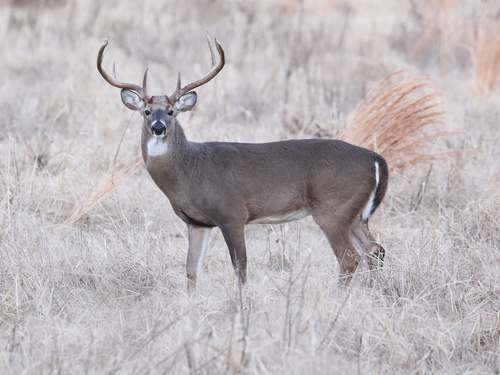
Michigan, US
Puedes ver Ciervo De Cola Blanca, Wild Bergamot y Pavo.
Ver guía →
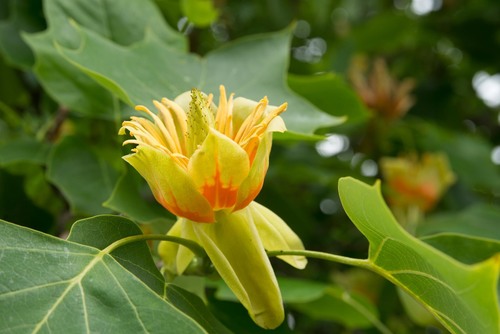
Virginia, US
Puedes ver American Tuliptree, Japanese Snowball y American Hazelnut.
Ver guía →
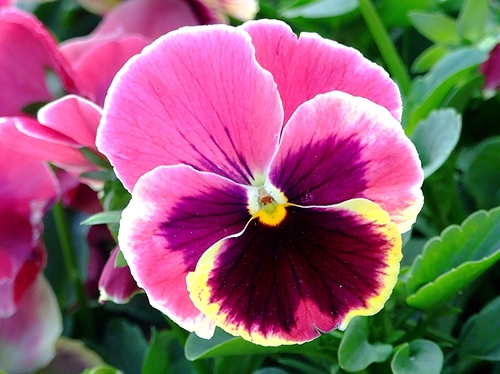
Delaware, US
Puedes ver Garden Pansy, Magnolia Común y Low Pricklypear.
Ver guía →

Michigan, US
Puedes ver Large Maple Spanworm Moth, Pavo y Eastern Skunk Cabbage.
Ver guía →

Illinois, US
Puedes ver Barnacla Canadiense, Gaviota De Delaware y Tordo Sargento.
Ver guía →




%2C_%CE%95%CF%80%CF%84%CE%B1%CF%80%CF%8D%CF%81%CE%B3%CE%B9%CE%BF%2C_%CE%98%CE%B5%CF%83%CF%83%CE%B1%CE%BB%CE%BF%CE%BD%CE%AF%CE%BA%CE%B7%2C_05-06-2021.jpg&width=800)