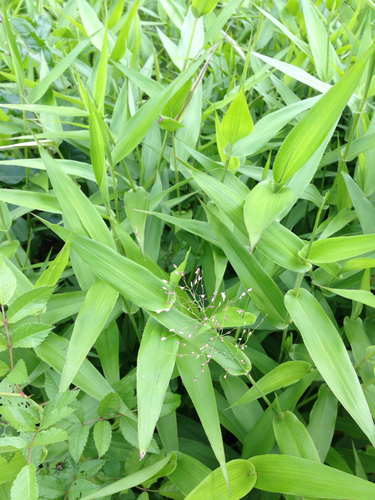
Cabbages And Mustards
brassica
Cabbages and mustards are leafy plants that come in many colors and shapes! They are fun to eat and can grow in gardens or fields.
Hábitat: Cabbages and mustards can be found in gardens, farms, and open fields.
The Cabbages And Mustards is a diverse group of plants typically featuring broad, often crinkled or smooth green leaves, which can form dense, rounded heads or grow upright. Its small, four-petaled flowers are usually bright yellow, sometimes white, arranged in clusters. Distinctive leaf shapes differentiate them.
Categoría
PlantasRareza
Common
Peligro
0/5 · Sin peligro conocido
Snaps
¡Sé la primera persona en hacer un snap!
Broccoli, kale, and Brussels sprouts are all members of the cabbage family!
Mustard seeds have been used for thousands of years as food and medicine!
Some types of mustard can grow over a meter tall in just a few weeks!
The spicy kick in mustard comes from chemicals released when the seeds are crushed!
Cabbages And Mustards can create pungent mustard oils that deter many insects and animals from eating them.
Many varieties store massive amounts of nutrients in their thick leaves or dense heads, like a living food reserve.
Some types can grow very quickly from seed to maturity, helping them establish before competitors.
Pieris rapae
Larvae consume leaves.
Apis mellifera
Collects nectar and pollen.
Brevicoryne brassicae
Sucks sap from leaves.
Plutella xylostella
Larvae chew plant tissues.
Los animales sociales viven en grupos organizados, cooperando para obtener beneficios de supervivencia como la búsqueda de alimento, la defensa y la cría de descendencia.
Colorido describe a organismos u objetos que exhiben una amplia variedad de colores brillantes y distintivos.
Este rasgo caracteriza a los organismos cuya dieta consiste total o principalmente en material vegetal.
Los hábitats de pastizales son biomas terrestres dominados por pastos y plantas herbáceas, que sustentan a una variedad de animales de pastoreo.

Describe organismos que transfieren polen, permitiendo la fertilización y reproducción de las plantas.
Peligro
0/5 · Sin peligro conocido
Todavía no hay notas especiales de seguridad.
15-150 cm
10-90 cm
1-2 cm
Primavera a verano
Sí
Ninguna
Bienal
Insectos
Acércate para separar los grupos y explorar dónde se ha fotografiado este objeto.
Los snaps recientes aparecerán aquí a medida que se añadan nuevas observaciones.