





Cactus
Cactaceae
Los cactus son plantas especiales que almacenan agua en sus gruesos tallos para sobrevivir en desiertos cálidos y secos. Vienen en muchas formas y tamaños, algunos altos como árboles y otros pequeños como rocas.
Hábitat: Desierto
El Cactus tiene tallos gruesos y carnosos que almacenan agua, a menudo cubiertos de espinas afiladas en lugar de hojas tradicionales. Sus diversas formas incluyen columnas altas, palas planas y formas globulares, frecuentemente adornadas con flores vibrantes y llamativas.
Categoría
PlantasRareza
Common
Peligro
2/5 · Bajo
Snaps
¡Sé la primera persona en hacer un snap!
¡El interior de los cactus es como una esponja, almacenando agua para sobrevivir en desiertos súper secos!
¡La deliciosa fruta del dragón y el nopal provienen de tipos de cactus!
¡Los cactus saguaro pueden crecer más altos que un autobús escolar y vivir más de 150 años!
¡Algunos cactus florecen con flores gigantes por la noche, invitando a los murciélagos a polinizarlos!
El Cactus tiene tallos gruesos y suculentos que almacenan mucha agua, ayudándole a sobrevivir largas sequías en ambientes desérticos secos.
El Cactus tiene espinas afiladas en lugar de hojas, lo que le ayuda a defenderse de los animales hambrientos y a reducir la evaporación del agua.
El Cactus puede abrir pequeños poros (estomas) solo por la noche, lo que le ayuda a absorber CO2 y conservar agua durante los días calurosos.
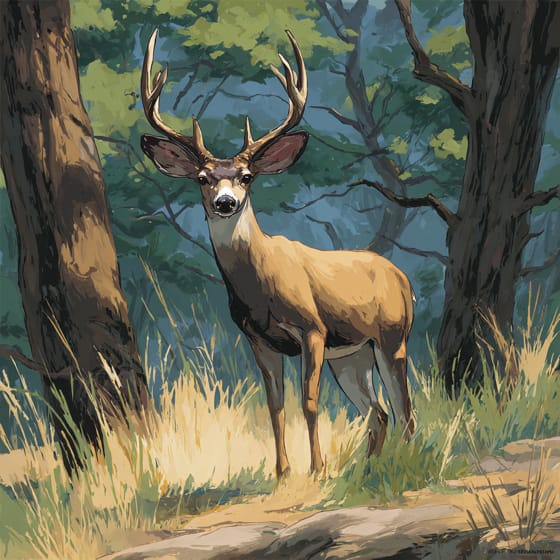
Odocoileus hemionus
Pasta las palas y frutos de los nopales.
Leptonycteris yerbabuenae
Visita flores de cactus que florecen de noche en busca de néctar dulce.
Sciurus arizonensis
Se alimenta de frutos y semillas de cactus cuando están disponibles.
Campylorhynchus brunneicapillus
Construye sus nidos profundamente entre las espinas protectoras del cactus.
Las plantas de hoja perenne conservan su follaje durante todo el año, sin perder nunca todas sus hojas a la vez.
Las plantas medicinales poseen compuestos químicos que pueden utilizarse con fines terapéuticos para tratar enfermedades o mantener la salud.
Se refiere a las plantas que tienen tallos cubiertos de proyecciones puntiagudas y afiladas para defenderse.
Las plantas suculentas tienen partes engrosadas y carnosas, generalmente hojas o tallos, adaptadas para almacenar agua en climas áridos.

Las plantas tolerantes a la sequía pueden sobrevivir y florecer en condiciones de escasa disponibilidad de agua.

Las plantas comestibles son aquellas partes de una planta que se consideran seguras para el consumo humano.

Describe una relación entre dos especies diferentes en la que viven estrechamente asociadas, a menudo beneficiando a una o a ambas.

Los hábitats desérticos son regiones áridas caracterizadas por precipitaciones extremadamente bajas y, a menudo, temperaturas extremas, que albergan una flora y fauna especializadas.

Posee proyecciones puntiagudas y afiladas o espinas en el cuerpo o en la superficie.

Este rasgo caracteriza a los organismos con una esperanza de vida excepcionalmente larga en comparación con otros de su especie.
Todavía no hay alias listados.
Peligro
2/5 · Bajo
Ten cuidado alrededor de los cactus, ya que sus espinas pueden ser afiladas y punzantes. ¡Mira pero no toques!
La forma más fácil de identificar a Cactus es usar la aplicación de identificación de naturaleza Snappit.
5-1500 cm
5-500 cm
1-30 cm
Variable, often Spring to Summer
Sí
Leve
Perenne
Acércate para separar los grupos y explorar dónde se ha fotografiado este objeto.
Los snaps recientes aparecerán aquí a medida que se añadan nuevas observaciones.
Llévate el descubrimiento
Haz una foto con Snappit, identifica la especie y guarda el hallazgo en tu colección.










.jpg&width=800)



_001.jpg&width=800)

