
.jpg&width=800)





Calico Aster
symphyotrichum lateriflorum
The Calico Aster is a beautiful plant that blooms with colorful flowers in late summer and fall! It attracts butterflies and bees, making gardens lively and fun to explore.
Hábitat: Calico Asters thrive in meadows, fields, and along roadsides.
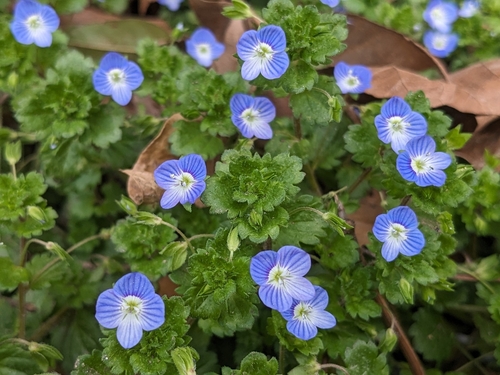
The Calico Aster has many small, daisy-like flowers with white ray petals and a yellow-to-reddish central disk. Its distinguishing feature is the often purple-tipped ray petals, giving it a speckled, 'calico' appearance.
Categoría
PlantasRareza
Common
Peligro
0/5 · Sin peligro conocido
Snaps
¡Sé la primera persona en hacer un snap!
Its tiny flowers, like miniature daisies, attract a huge party of buzzing bees and butterflies!
The name 'aster' means 'star' in Greek, perfectly describing its many starry blossoms!
This plant can grow in tough spots, even poor soil, showing it's a real survivor!
Watch closely: its white petals can sometimes have tiny purple blushes, like nature's paint strokes!
Calico Aster can bloom late into fall, providing essential nectar for pollinators when other flowers have faded.
Calico Aster has fluffy seeds that catch the wind, helping it spread its offspring far and wide to new homes.
Calico Aster has underground rhizomes that allow it to spread and form dense patches, securing its spot.
Apis mellifera
Visits flowers for nectar.
Bombus impatiens
Feeds on its late blooms.
Danaus plexippus
Sips nectar from blossoms.
Odocoileus virginianus
Deer browse on its foliage.
Las plantas perennes viven más de dos años, y normalmente vuelven a crecer y florecer cada año desde sus raíces.
Colorido describe a organismos u objetos que exhiben una amplia variedad de colores brillantes y distintivos.
Este rasgo caracteriza a los organismos cuya dieta consiste total o principalmente en material vegetal.
Los hábitats de pastizales son biomas terrestres dominados por pastos y plantas herbáceas, que sustentan a una variedad de animales de pastoreo.

Describe organismos que transfieren polen, permitiendo la fertilización y reproducción de las plantas.
Peligro
0/5 · Sin peligro conocido
Todavía no hay notas especiales de seguridad.
30-90 cm
30-60 cm
0.5-1.5 cm
Late summer to fall
No
Ninguna
Perenne
Insectos
Acércate para separar los grupos y explorar dónde se ha fotografiado este objeto.
Los snaps recientes aparecerán aquí a medida que se añadan nuevas observaciones.















.JPG&width=800)
