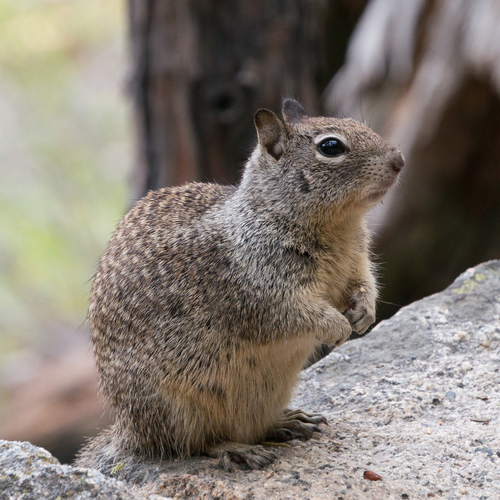
California Ground Squirrel
Otospermophilus beecheyi
California Ground Squirrels are playful little animals that love to dig and explore. They have fluffy tails and are often seen in parks and grassy areas, where they enjoy the sunshine and munch on seeds.
Hábitat: Grasslands
The California Ground Squirrel has mottled grey-brown fur with light speckles on its back, blending into a lighter belly. A distinctive pale gray ring often encircles its eyes, and its sides and shoulders can show a reddish-brown tint. It has a relatively bushy, medium-length tail.
Categoría
MamíferosRareza
Common
Peligro
1/5 · Muy bajo
Snaps
¡Sé la primera persona en hacer un snap!
California Ground Squirrels communicate using at least six different alarm calls, each meaning something specific!
They estivate, a deep sleep during hot summer months, to conserve energy.
They plug burrow entrances with soil to keep out predators and stay safe.
They rub shed snake skin on themselves to mask their scent from lurking predators.
California Ground Squirrels can neutralize rattlesnake venom because they have special proteins in their blood, helping them survive bites.
California Ground Squirrels can wave their bushy tails and heat them up to create a 'hot' signal that helps confuse and deter rattlesnakes.
California Ground Squirrels can excavate complex burrow systems that provide shelter from predators and extreme weather.
Mainly eats plants, seeds, and insects, helping to spread seeds and control insect populations.
Pituophis catenifer
Young squirrels are prey for gopher snakes.
Buteo jamaicensis
Hawks hunt adult and young ground squirrels.
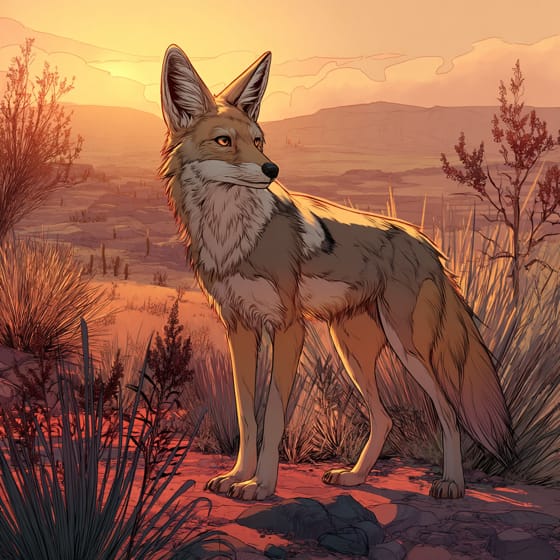
Canis latrans
Coyotes are common predators of ground squirrels.
Athene cunicularia
Owls use abandoned ground squirrel burrows for nesting.

Quercus agrifolia
Squirrels consume and cache the acorns of oaks.
Peludo describe a los animales que poseen una cubierta densa de pelo o pelaje suave.
Los animales sociales viven en grupos organizados, cooperando para obtener beneficios de supervivencia como la búsqueda de alimento, la defensa y la cría de descendencia.
Los animales excavadores cavan túneles y cámaras en el suelo y utilizan estas estructuras subterráneas para refugiarse, cazar o reproducirse.
Este rasgo caracteriza a los organismos cuya dieta consiste total o principalmente en material vegetal.

Los hábitats de pastizales son biomas terrestres dominados por pastos y plantas herbáceas, que sustentan a una variedad de animales de pastoreo.

Los animales diurnos están activos principalmente durante el día y suelen descansar o dormir por la noche.

Este rasgo identifica a los organismos que exhiben una rapidez excepcional en sus movimientos para cazar, escapar o desplazarse.
Peligro
1/5 · Muy bajo
Watch from a distance and don't try to touch or feed them, as they are wild animals.
33-44 cm
0.3-0.9 kg
2-6 años
25 km/h
Mainly eats plants, seeds, and insects, helping to spread seeds and control insect populations.
Grasslands
Foraging
5-11
Acércate para separar los grupos y explorar dónde se ha fotografiado este objeto.
Los snaps recientes aparecerán aquí a medida que se añadan nuevas observaciones.
California, US
Puedes ver California Ground Squirrel y Coast Cholla.
Ver guía →

California, US
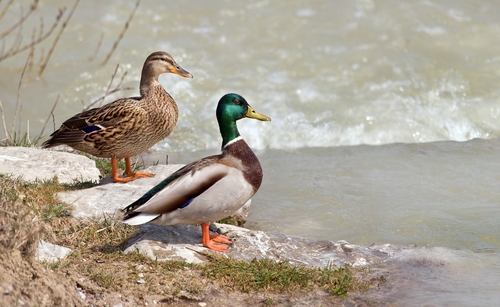
Puedes ver Pato, American Coot y Barnacla Canadiense.
Ver guía →
California, US
Puedes ver Pato, Great Egret y Hooded Merganser.
Ver guía →
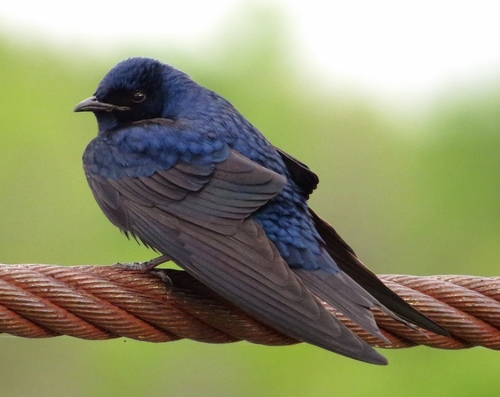
California, US
Puedes ver Purple Martin, Acorn Woodpecker y Junco Ojioscuro.
Ver guía →
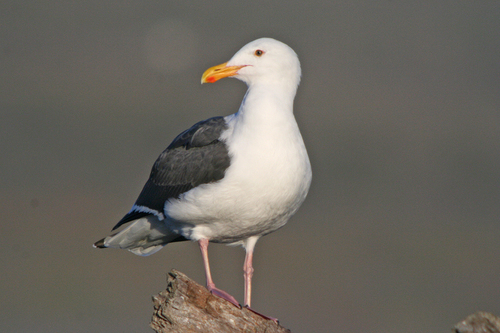
California, US
Puedes ver Western Gull, Snowy Egret y Black Skimmer.
Ver guía →
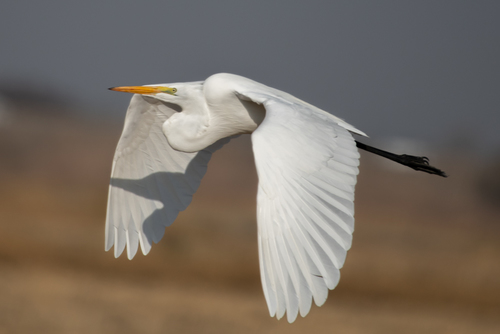
California, US
Puedes ver Great Egret, Pato y Garza Azulada.
Ver guía →