California Gull
Larus californicus
California Gulls are fun birds that live near the coast and love to eat fish! They have gray wings and a bright white body, making them easy to spot when they fly.
Hábitat: Coastal areas
The California Gull has a medium-grey back and wings, with white underparts. Its wingtips are black with distinct white spots. It has a yellow bill with a noticeable black and red spot near the tip, and yellowish-green legs.
Categoría
AvesRareza
Common
Peligro
2/5 · Bajo
Snaps
¡Sé la primera persona en hacer un snap!
California Gulls are the state bird of Utah, even though they aren't unique to California!
Some California Gulls use warm air currents to soar high in the sky without flapping their wings!
Their eggs come in cool speckled colors, helping them hide on the ground!
They helped save early Mormon settlers' crops from crickets, earning them a monument!
California Gulls can drink saltwater because they have special glands that remove excess salt, helping them survive far from fresh water.
California Gulls sometimes drop shellfish onto hard surfaces to crack them open, demonstrating clever problem-solving skills.
California Gulls can digest a huge variety of foods, from insects to human leftovers, because of their robust digestive system.
California Gulls can travel thousands of kilometers during migration due to their strong wings and efficient flight.
An opportunistic eater, munching on insects, fish, eggs, and almost any food scraps!
Haliaeetus leucocephalus
Adults can be hunted.
Corvus corax
Eggs and chicks are preyed upon.
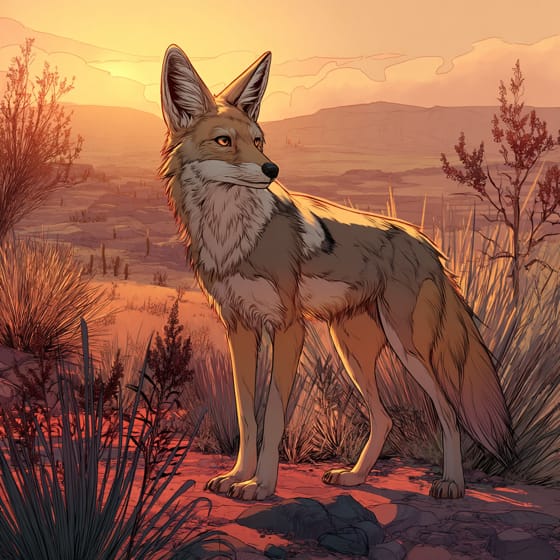
Canis latrans
Ground nests are vulnerable.
Anabrus simplex
A historic and important food source.
Describe a los animales, principalmente aves, que poseen una cubierta de plumas.
Se caracteriza por tener los dedos conectados por una membrana, lo que generalmente ayuda a nadar.
Los animales sociales viven en grupos organizados, cooperando para obtener beneficios de supervivencia como la búsqueda de alimento, la defensa y la cría de descendencia.
Los organismos piscívoros son animales que subsisten principalmente de una dieta a base de peces.

Este rasgo caracteriza a los organismos con una esperanza de vida excepcionalmente larga en comparación con otros de su especie.

Los hábitats costeros son entornos dinámicos situados a lo largo de la interfaz entre la tierra y el mar, influenciados por las mareas, las olas y el agua salada.

Este rasgo identifica a los organismos cuya dieta consiste total o principalmente en tejido animal.

Los animales diurnos están activos principalmente durante el día y suelen descansar o dormir por la noche.

Describe una especie cuya presencia y papel tienen un efecto desproporcionadamente grande en su entorno.

Los hábitats marinos abarcan todos los entornos de agua salada de los océanos de la Tierra, sustentando una inmensa diversidad de vida acuática.

Los animales migratorios emprenden movimientos estacionales de una región a otra, típicamente en respuesta a cambios en el clima o la disponibilidad de alimentos.
Todavía no hay alias listados.
Peligro
2/5 · Bajo
Watch from a distance and don't feed the gulls, as they can get too close!
46-56 cm
120-140 cm
0.43-1 kg
10-25 años
55 km/h
An opportunistic eater, munching on insects, fish, eggs, and almost any food scraps!
Coastal areas
Foraging
Acércate para separar los grupos y explorar dónde se ha fotografiado este objeto.
Los snaps recientes aparecerán aquí a medida que se añadan nuevas observaciones.

British Columbia, CA
Puedes ver Broad-Leaved Stonecrop, Foca Común y Ochre Sea Star.
Ver guía →

Washington, US
Puedes ver Strawberry Tree, Pato y Castor Americano.
Ver guía →
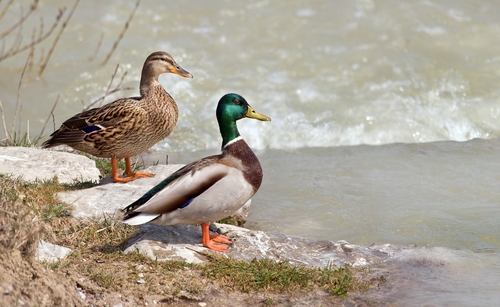
Washington, US
Puedes ver Pato, American Tuliptree y Garza Azulada.
Ver guía →
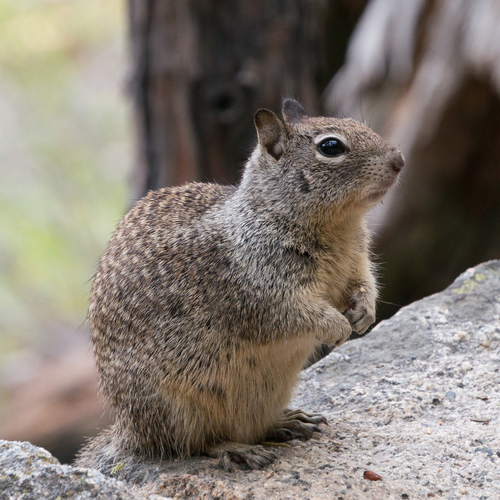
California, US
Puedes ver California Ground Squirrel y Coast Cholla.
Ver guía →

Utah, US
Puedes ver Barnacla Canadiense y Redstem Stork's-Bill.
Ver guía →
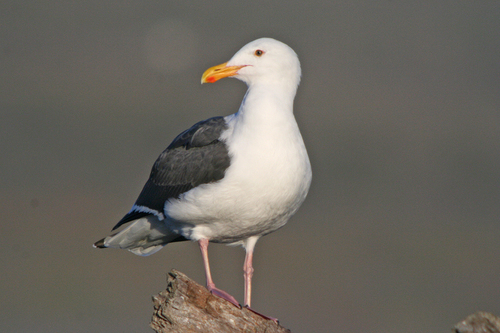
California, US
Puedes ver Western Gull, Snowy Egret y Black Skimmer.
Ver guía →










.jpg&width=800)