






California Pitcher Sage
lepechinia calycina
The California Pitcher Sage is a beautiful plant with tall, colorful flowers that attract many bees and butterflies! It loves to grow in sunny spots and can often be found in gardens and parks.
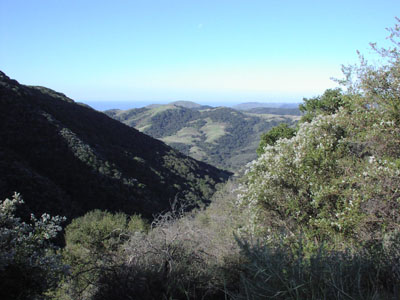
Hábitat: California chaparral and coastal areas.
The California Pitcher Sage is a bushy perennial with wrinkled, oval-shaped leaves and distinctive cup-shaped, green calyces that enclose tubular, pale lavender to white flowers. Its calyces give it a unique pitcher-like appearance.
Categoría
PlantasRareza
Common
Peligro
0/5 · Sin peligro conocido
Snaps
¡Sé la primera persona en hacer un snap!
Its "pitcher" name comes from the cup-like calyx, not for holding water!
Native Californians traditionally brewed its leaves for refreshing teas and soothing remedies.
Rub its leaves gently to release a unique minty-citrus aroma, a natural perfume!
This resilient sage often thrives on dry, sunny slopes where other plants struggle.
California Pitcher Sage has deep roots and small leaves that help it survive long, dry periods with very little water.
California Pitcher Sage can release a strong, aromatic scent from its leaves that deters hungry herbivores from nibbling.
California Pitcher Sage can quickly re-sprout from its roots after wildfires, allowing it to recover and thrive in burned areas.
Apis mellifera
Gathers nectar and pollen for its hive.
Bombus vosnesenskii
An important native pollinator of its flowers.

Archilochus anna
Feeds on nectar from its tubular blooms.
Odocoileus hemionus
May browse its leaves, especially young growth.
Colorido describe a organismos u objetos que exhiben una amplia variedad de colores brillantes y distintivos.
Este rasgo caracteriza a los organismos cuya dieta consiste total o principalmente en material vegetal.
Los hábitats costeros son entornos dinámicos situados a lo largo de la interfaz entre la tierra y el mar, influenciados por las mareas, las olas y el agua salada.
Los animales diurnos están activos principalmente durante el día y suelen descansar o dormir por la noche.

Describe organismos que transfieren polen, permitiendo la fertilización y reproducción de las plantas.
Peligro
0/5 · Sin peligro conocido
Todavía no hay notas especiales de seguridad.
50-150 cm
50-100 cm
2-3 cm
Late spring to early summer
Sí
Ninguna
Perenne
Insectos
Acércate para separar los grupos y explorar dónde se ha fotografiado este objeto.
Los snaps recientes aparecerán aquí a medida que se añadan nuevas observaciones.











_1959.jpg&width=800)




.jpg&width=800)

