
_(40059471280).jpg&width=800)





California Quail
Callipepla californica
California Quails are small, plump birds with a cute, round shape. They have a lovely, patterned body and a little topknot on their heads. These birds love to live in groups and are often seen scurrying around in the grass.
Hábitat: Grasslands
The California Quail has a distinctive, forward-curving black plume atop its head. Males feature a black face framed by white stripes, a chestnut cap, and a scaled belly, making them visually different from the plainer, duller-plumaged females.
Categoría
AvesRareza
Common
Peligro
1/5 · Muy bajo
Snaps
¡Sé la primera persona en hacer un snap!
A group of quail is called a "covey"—they stick together!
Quail chicks can run and forage for food hours after hatching!
The male's fancy head plume bobs as it runs rapidly!
They sleep in a tight circle, tails in, heads out, for safety!
California Quail can burst vertically into flight because of strong leg muscles, helping them escape predators in a flash.
California Quail has a complex alarm system, using specific calls to warn their covey about different types of dangers.
California Quail has mottled brown and grey feathers that perfectly blend into their shrubby environment, making them hard to spot.
These ground birds mostly munch on seeds, leaves, and berries they find in their habitat.
Diferencias por edad: Chicks eat more protein-rich insects, while adults consume mostly plant matter.
Accipiter cooperii
A swift aerial hunter of adult quail.
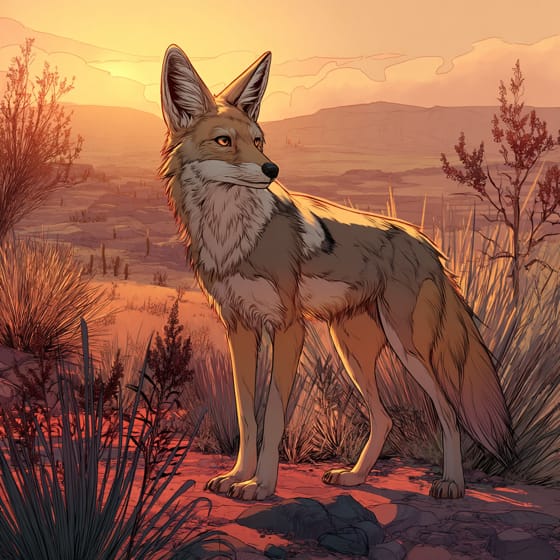
Canis latrans
Opportunistically hunts quail, especially at dusk.

Quercus agrifolia
Quail consume fallen acorns, providing winter sustenance.
Avena fatua
Feeds on seeds from this widespread invasive grass.
Describe a los animales, principalmente aves, que poseen una cubierta de plumas.
Crestado describe a los animales que poseen un mechón prominente de plumas, pelo o piel en la cabeza.
Los animales sociales viven en grupos organizados, cooperando para obtener beneficios de supervivencia como la búsqueda de alimento, la defensa y la cría de descendencia.
Este rasgo identifica organismos cuya dieta incluye tanto materia vegetal como animal.

Colorido describe a organismos u objetos que exhiben una amplia variedad de colores brillantes y distintivos.

Los hábitats de pastizales son biomas terrestres dominados por pastos y plantas herbáceas, que sustentan a una variedad de animales de pastoreo.

Los animales diurnos están activos principalmente durante el día y suelen descansar o dormir por la noche.

Este rasgo identifica a los organismos que exhiben una rapidez excepcional en sus movimientos para cazar, escapar o desplazarse.
Peligro
1/5 · Muy bajo
Always watch birds from a distance and do not try to catch them.
24-28 cm
32-38 cm
0.15-0.2 kg
3-6 años
65 km/h
These ground birds mostly munch on seeds, leaves, and berries they find in their habitat.
Grasslands
Foraging
Acércate para separar los grupos y explorar dónde se ha fotografiado este objeto.
Los snaps recientes aparecerán aquí a medida que se añadan nuevas observaciones.
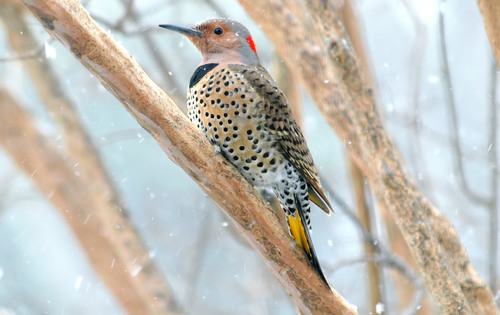
British Columbia, CA
Puedes ver Carpintero Norteño, Pavo Real Común y Red-Breasted Sapsucker.
Ver guía →

British Columbia, CA
Puedes ver Yellow-Bellied Marmot, Rubber Rabbitbrush y Siberian Elm.
Ver guía →

Washington, US
Puedes ver Zorro Rojo, Ghost Pipe y Zarzamora.
Ver guía →
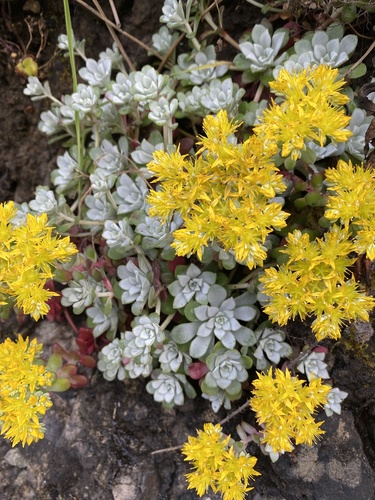
British Columbia, CA
Puedes ver Broad-Leaved Stonecrop y Littleleaf Silverback.
Ver guía →








.jpg&width=800)




