






California Scrub-Jay
Aphelocoma californica
The California Scrub-Jay is a cheerful blue bird that loves to hop around in trees and bushes. They are very smart and can even remember where they hide their food!
Hábitat: Urban areas
The California Scrub-Jay has striking sky-blue wings, tail, and head, contrasted with a grey back and white belly. A thin blue necklace often separates its throat from its chest. Unlike many jays, it lacks a crest.
Categoría
AvesRareza
Common
Peligro
1/5 · Muy bajo
Snaps
¡Sé la primera persona en hacer un snap!
A scrub-jay can remember where it buried up to 5,000 acorns and seeds!
These clever birds can recognize individual human faces they encounter often!
They sometimes imitate the calls of hawks to scare off rivals from food.
They sometimes trick other birds by pretending to hide food in empty spots.
California Scrub-Jays can remember thousands of food cache locations because their sharp memory helps them find buried treats months later.
California Scrub-Jays help grow oak forests because they bury acorns and sometimes forget them, letting new trees sprout.
California Scrub-Jays can solve complex problems and even use tools because their clever minds help them find tricky food.
These smart birds feast on a mix of tasty plants and small creatures, especially acorns!

Quercus agrifolia
for its vital acorn food source and nesting sites.
Accipiter cooperii
is a swift aerial predator that hunts adult scrub-jays.
Pituophis catenifer
preys on eggs and nestlings in their nests.
Describe a los animales, principalmente aves, que poseen una cubierta de plumas.
Los animales sociales viven en grupos organizados, cooperando para obtener beneficios de supervivencia como la búsqueda de alimento, la defensa y la cría de descendencia.
Los animales cantores producen vocalizaciones complejas, a menudo con el propósito de atraer parejas, defender el territorio o comunicarse dentro de su especie.
Este rasgo identifica organismos cuya dieta incluye tanto materia vegetal como animal.

Colorido describe a organismos u objetos que exhiben una amplia variedad de colores brillantes y distintivos.

Esta característica describe a los organismos que manipulan objetos externos para lograr un objetivo específico.

Este rasgo caracteriza a los organismos con una esperanza de vida excepcionalmente larga en comparación con otros de su especie.

Los animales diurnos están activos principalmente durante el día y suelen descansar o dormir por la noche.

Esta característica de hábitat indica especies que pueden coexistir con los humanos en entornos urbanos y suburbanos, utilizando estructuras artificiales y espacios verdes.
Peligro
1/5 · Muy bajo
It's best to watch birds from a distance and not to disturb their nests.
27-31 cm
38-46 cm
0.07-0.1 kg
9-19 años
35 km/h
These smart birds feast on a mix of tasty plants and small creatures, especially acorns!
Urban areas
Foraging
Acércate para separar los grupos y explorar dónde se ha fotografiado este objeto.
Los snaps recientes aparecerán aquí a medida que se añadan nuevas observaciones.
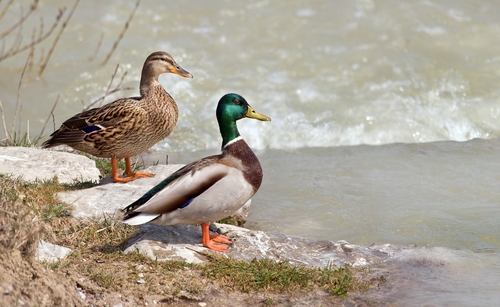
California, US
Puedes ver Pato, Great Egret y Hooded Merganser.
Ver guía →
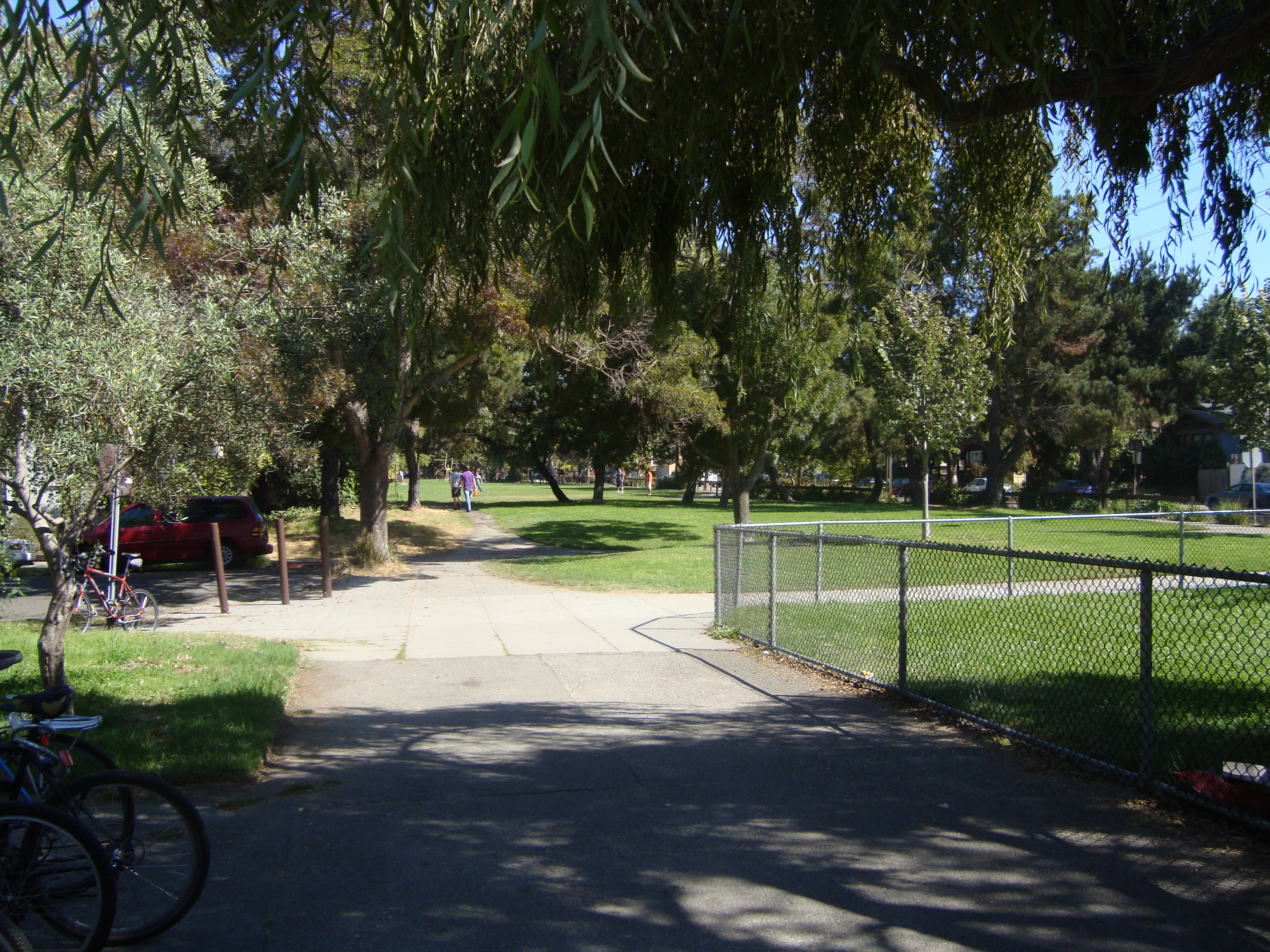
California, US
Puedes ver Abeja, Monarch y Anna's Hummingbird.
Ver guía →

California, US
Puedes ver California Wild Rose, California Wild Grape y Blue Elder.
Ver guía →

Washington, US
Puedes ver Araña De Jardín, Western Redcedar y Fringed Willowherb.
Ver guía →
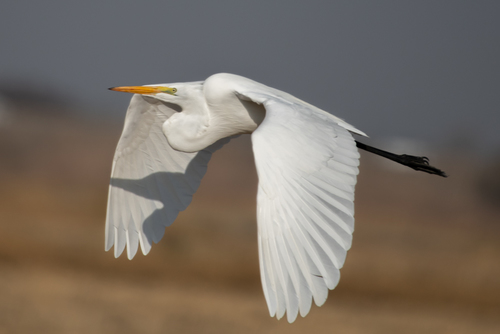
California, US
Puedes ver Great Egret, Pato y Garza Azulada.
Ver guía →
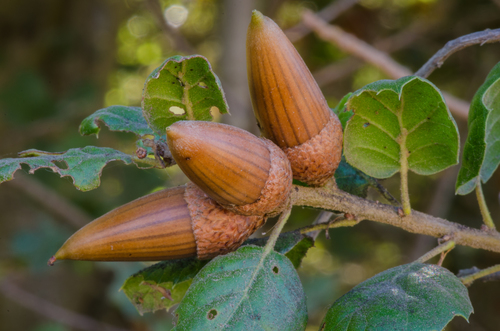
California, US
Puedes ver Coast Live Oak, Lesser Goldfinch y California Scrub-Jay.
Ver guía →




.jpg&width=800)








.jpg&width=800)