California Towhee
Melozone crissalis
The California Towhee is a friendly bird that loves to hop around on the ground. It has a brown body and a cheerful song that makes it easy to spot in gardens and parks.
Hábitat: Urban areas
The California Towhee is a medium-sized bird, mostly plain brown with a warm, rusty-red patch under its tail. It has a thick, conical beak perfect for cracking seeds, and its overall unassuming look helps it blend into its natural environment.
Categoría
AvesRareza
Common
Peligro
1/5 · Muy bajo
Snaps
¡Sé la primera persona en hacer un snap!
Baby California Towhees grow incredibly fast, leaving the nest after just 10 days!
These birds rarely fly long distances, preferring to stay hidden in dense bushes and on the ground.
They are famous for a sharp 'chink' call, which sounds like two pebbles tapping together!
When foraging, they often hop forward and then jump backward quickly to uncover tasty treats.
The California Towhee can kick backward with both feet at once to uncover seeds, helping them find hidden meals.
The California Towhee has adapted to human presence, which helps them find food and shelter in suburban gardens.
The California Towhee has strong legs for hopping and prefers staying low, which helps them maneuver through dense shrubs.
These omnivores enjoy a varied menu of seeds, insects, and berries, like tiny feathered foragers!
Felis catus
Feral and pet cats are common predators of these ground-dwelling birds.
Accipiter cooperii
This agile hawk preys on small to medium-sized birds, including towhees.
Avena fatua
Towhees frequently feed on seeds from various wild grasses, including this one.

Adenostoma fasciculatum
Dense chaparral shrubs like chamise provide important cover and nesting sites.
Describe a los animales, principalmente aves, que poseen una cubierta de plumas.
Los animales sociales viven en grupos organizados, cooperando para obtener beneficios de supervivencia como la búsqueda de alimento, la defensa y la cría de descendencia.
Los animales cantores producen vocalizaciones complejas, a menudo con el propósito de atraer parejas, defender el territorio o comunicarse dentro de su especie.
El camuflaje describe a los organismos que poseen colores o patrones que les permiten mezclarse con su entorno.

Este rasgo identifica a los organismos cuya dieta consiste principalmente en insectos y otros pequeños invertebrados.

Los animales diurnos están activos principalmente durante el día y suelen descansar o dormir por la noche.

Esta característica de hábitat indica especies que pueden coexistir con los humanos en entornos urbanos y suburbanos, utilizando estructuras artificiales y espacios verdes.
Todavía no hay alias listados.
Peligro
1/5 · Muy bajo
Enjoy watching birds from a distance and don't try to touch or catch them.
22-25 cm
28-32 cm
0.046-0.07 kg
2-7 años
35 km/h
These omnivores enjoy a varied menu of seeds, insects, and berries, like tiny feathered foragers!
Urban areas
Foraging
Acércate para separar los grupos y explorar dónde se ha fotografiado este objeto.
Los snaps recientes aparecerán aquí a medida que se añadan nuevas observaciones.
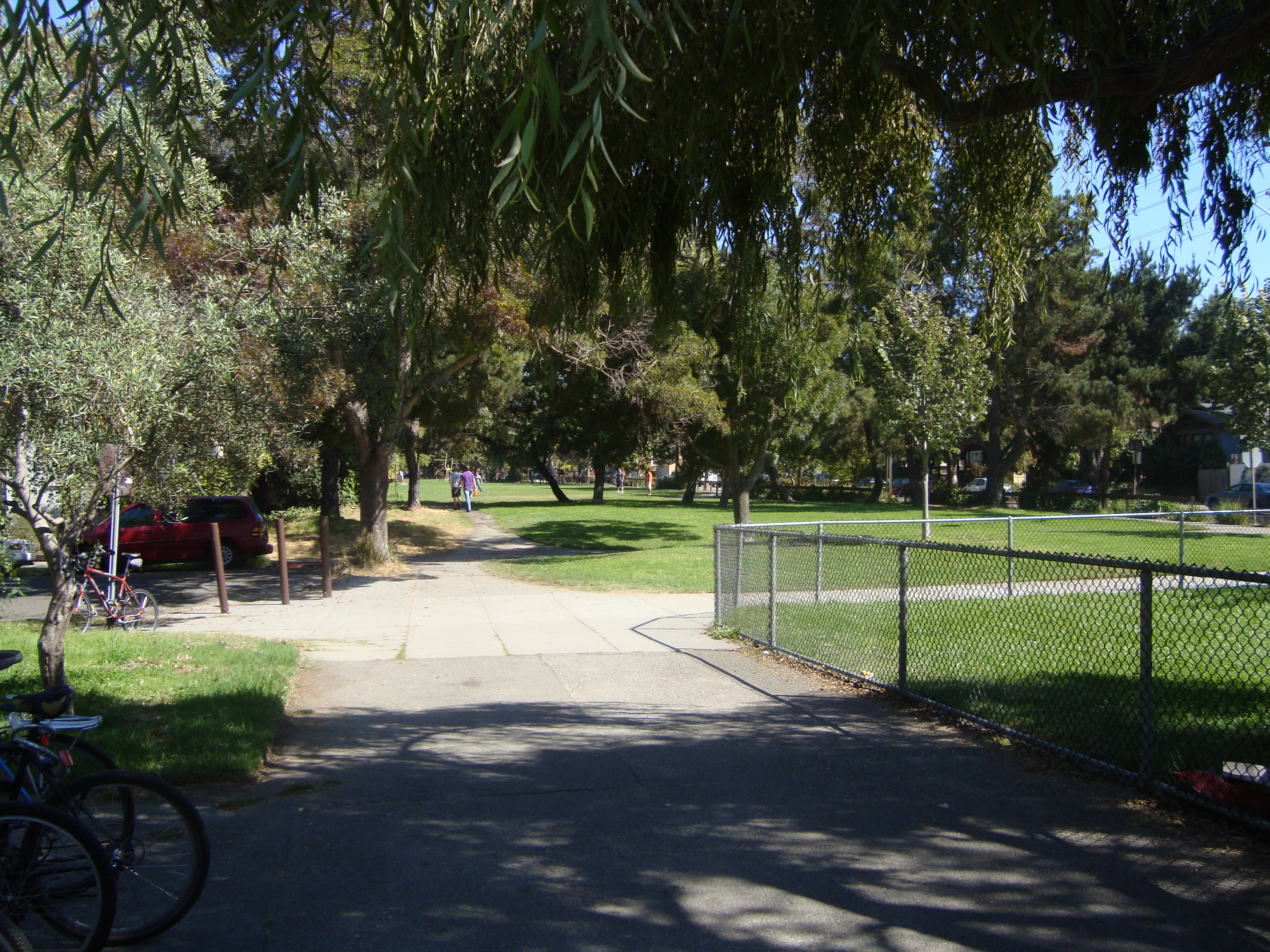
California, US
Puedes ver Abeja, Monarch y Anna's Hummingbird.
Ver guía →
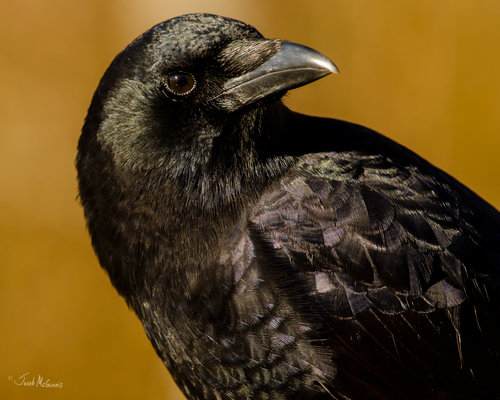
California, US
Puedes ver Cuervo Americano, Yellow-Rumped Warbler y Lincoln's Sparrow.
Ver guía →

California, US
Puedes ver Pato, Black Phoebe y Acorn Woodpecker.
Ver guía →




.jpg&width=800)


.jpg&width=800)