

Calliptamus Plebeius
calliptamus plebeius
El Calliptamus Plebeius, miembro de la familia de saltamontes Acrididae, es un insecto común y fascinante que se encuentra principalmente en la cuenca mediterránea. Estos robustos ortópteros están bien adaptados a ambientes secos y soleados, mostrando un notable camuflaje que les permite mimetizarse perfectamente con su entorno. A menudo pasados por alto debido a su apariencia discreta, desempeñan un papel crucial en los ecosistemas de pastizales como consumidores primarios, convirtiendo la materia vegetal en energía para niveles tróficos superiores. Su ciclo de vida, desde huevo hasta ninfa y adulto, se desarrolla rápidamente durante los meses más cálidos, convirtiéndolos en un componente vibrante de los paisajes veraniegos.
Hábitat: Se encuentra en hábitats secos y abiertos como matorrales mediterráneos, garrigas, pastizales pedregosos, campos en barbecho y laderas soleadas con vegetación escasa.
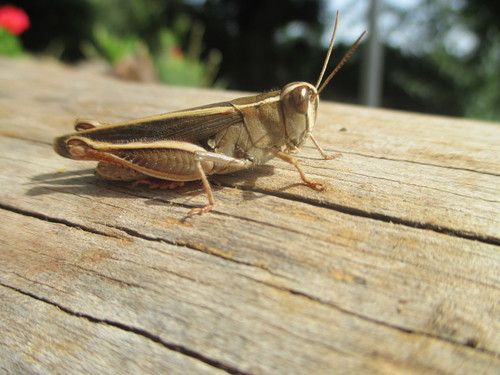
El Calliptamus Plebeius es un saltamontes de tamaño mediano, que generalmente mide entre 1.5 y 3.5 cm de largo, siendo las hembras notablemente más grandes que los machos. Su coloración es muy variable, generalmente exhibiendo tonos de gris, marrón o marrón rojizo, a menudo moteado, lo que le proporciona un excelente camuflaje contra la vegetación seca y el suelo. Un identificador clave es su perfil característico de 'cara inclinada'. Las tibias traseras son con frecuencia de un distintivo tono rojizo o anaranjado. Sus alas anteriores (tégminas) están bien desarrolladas y a menudo se extienden más allá del abdomen, mientras que las alas posteriores suelen ser transparentes o de color tenue.
Categoría
InsectosRareza
Común
Peligro
1/5 · Muy bajo
Snaps
¡Sé la primera persona en hacer un snap!
Como muchos saltamontes, Calliptamus Plebeius puede producir un
El Calliptamus Plebeius es un herbívoro polífago, que se alimenta de una amplia variedad de plantas herbáceas y pastos. Pastorea las hojas y tallos de la vegetación disponible.
Aún no hay insignias de rasgos asignadas a este objeto.
Todavía no hay alias listados.
Las colecciones para este objeto aparecerán aquí a medida que se añadan más temas.
Peligro
1/5 · Muy bajo
Todavía no hay notas especiales de seguridad.
Busca seis patas, antenas, tres secciones en el cuerpo y la forma de las alas. Los escarabajos tienen las alas delanteras endurecidas; las moscas solo tienen un par que funciona. Los insectos diminutos pueden necesitar un primer plano antes de que se vea su grupo. Identificador de insectos: sube una foto y compara los detalles visibles.
1-3 cm
3-6 cm
0.001-0.005 kg
0 años
El Calliptamus Plebeius es un herbívoro polífago, que se alimenta de una amplia variedad de plantas herbáceas y pastos. Pastorea las hojas y tallos de la vegetación disponible.
Se encuentra en hábitats secos y abiertos como matorrales mediterráneos, garrigas, pastizales pedregosos, campos en barbecho y laderas soleadas con vegetación escasa.
Forrajeo
Acércate para separar los grupos y explorar dónde se ha fotografiado este objeto.
Los snaps recientes aparecerán aquí a medida que se añadan nuevas observaciones.
Llévate el descubrimiento
Haz una foto con Snappit, identifica la especie y guarda el hallazgo en tu colección.